Polestar 2 vs. tesla model 3: two takes on the electric sedan
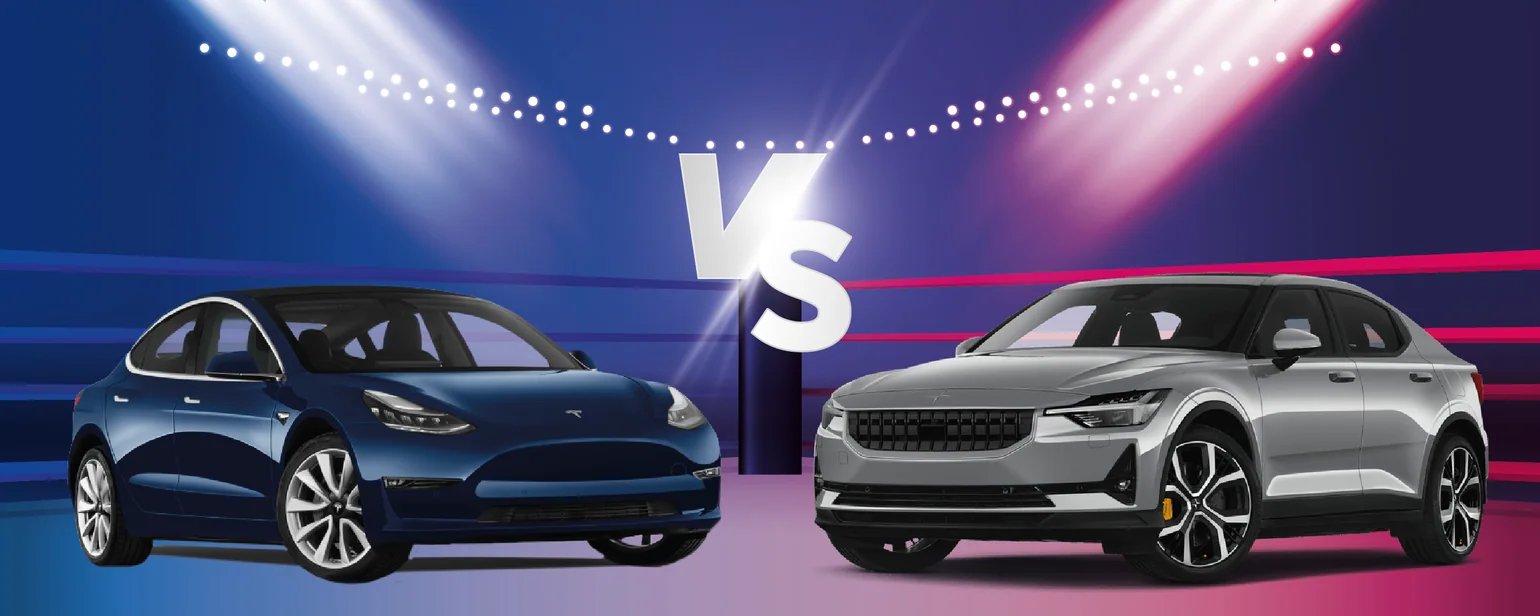
In the electric vehicle market, two models frequently lead comparisons in the premium electric sedan category: the Polestar 2 and the Tesla Model 3. Both represent a modern vision of electric mobility, yet they take very different approaches when it comes to comfort, design, technology, performance, and driving range.
In this comparison guide, we break down the key differences that truly matter in everyday use, including interior space, seat quality, driver assistance features, real-world range, charging capabilities, used market pricing, and onboard technologies.
The goal is simple: to help you choose the best electric car for your needs, your budget, and your driving style, whether you're commuting in the city, covering long distances, or looking for a versatile daily driver.
General Comparison: Polestar 2 vs Tesla Model 3
Two electric sedans, two very different philosophies. The Polestar 2 focuses on a more traditional premium feel, while the Tesla Model 3 emphasizes efficiency and digital minimalism. In daily use, comfort, cabin experience, and practicality will depend as much on your priorities as on the version, seats, and options you choose.
Driving Comfort: Which one feels better day-to-day?
The Polestar 2 often feels more like a traditional car, with a natural driving position, well-contoured seats, and a refined interior. On long drives, this translates into real comfort for both driver and passenger, especially if you are looking for an electric sedan that absorbs road imperfections well and maintains solid stability. Multiple reviews also highlight the perceived build quality and the more upscale atmosphere inside the cabin.
The Model 3 stands out in everyday driving thanks to its instant response, with no engine noise and smooth acceleration, making it easy to drive both in the city and on the highway. On more recent models, Tesla has also placed greater emphasis on cabin quietness and ride comfort, which can make a noticeable difference if you spend a lot of time driving on the freeway.
Interior space & cargo volume: Which one is more practical?
Under the lens of space and day-to-day usability, both models are well equipped to handle a typical family routine, but their interior layouts reflect distinctly different design choices.
The Polestar 2 features a more traditional cabin architecture, with a prominent, cockpit-style center console. This setup enhances ergonomics and gives the driver a stronger sense of control, but it can slightly reduce the feeling of openness, especially for front passengers. In the rear, space is decent for a compact electric sedan, making it well suited for urban and suburban driving.
The Tesla Model 3, on the other hand, adopts a minimalist and highly streamlined interior, with no visible physical buttons. The rear bench comfortably accommodates two passengers, while the center seat remains more occasional, as is common in most electric sedans of this size.
The cabin also benefits from an almost flat floor, which enhances rear passenger comfort and adds to the sense of space. Combined with a wide windshield and generous glass surfaces, the interior of the Model 3 offers an open, airy feel, which is a clear advantage for daily driving, family trips, or long-distance travel.
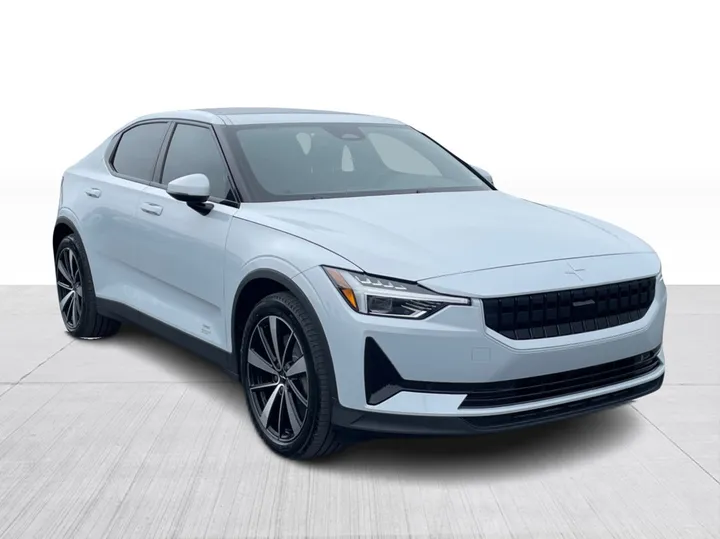
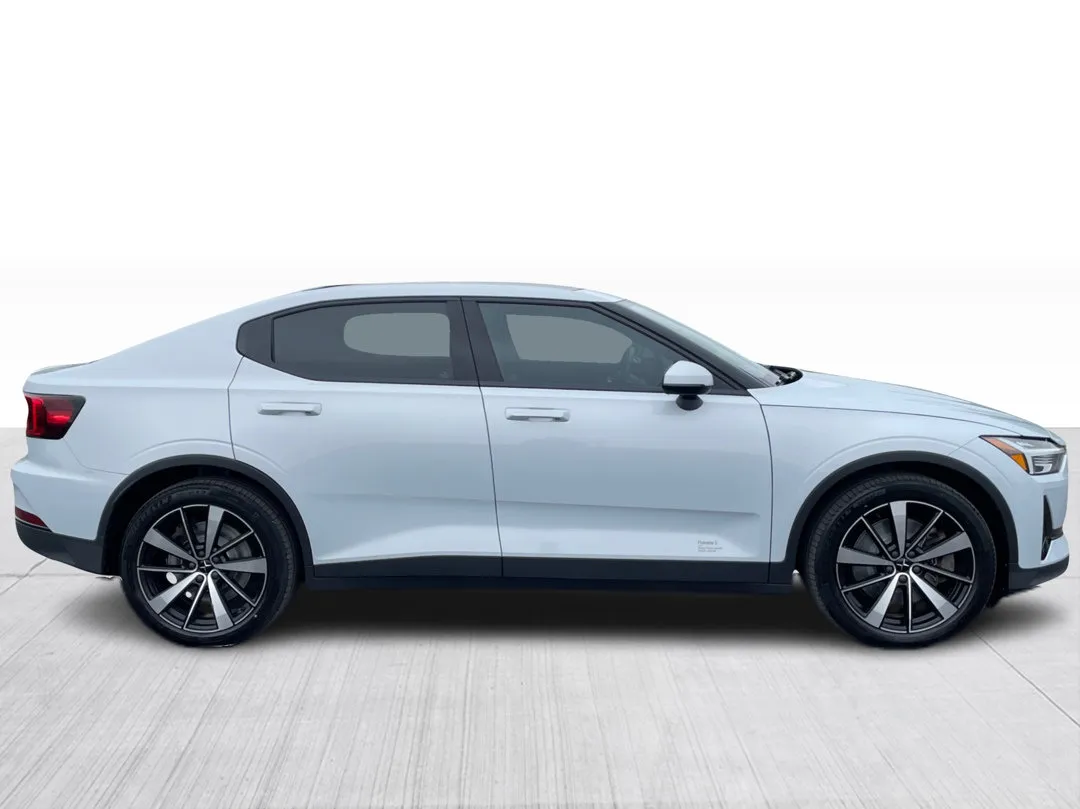
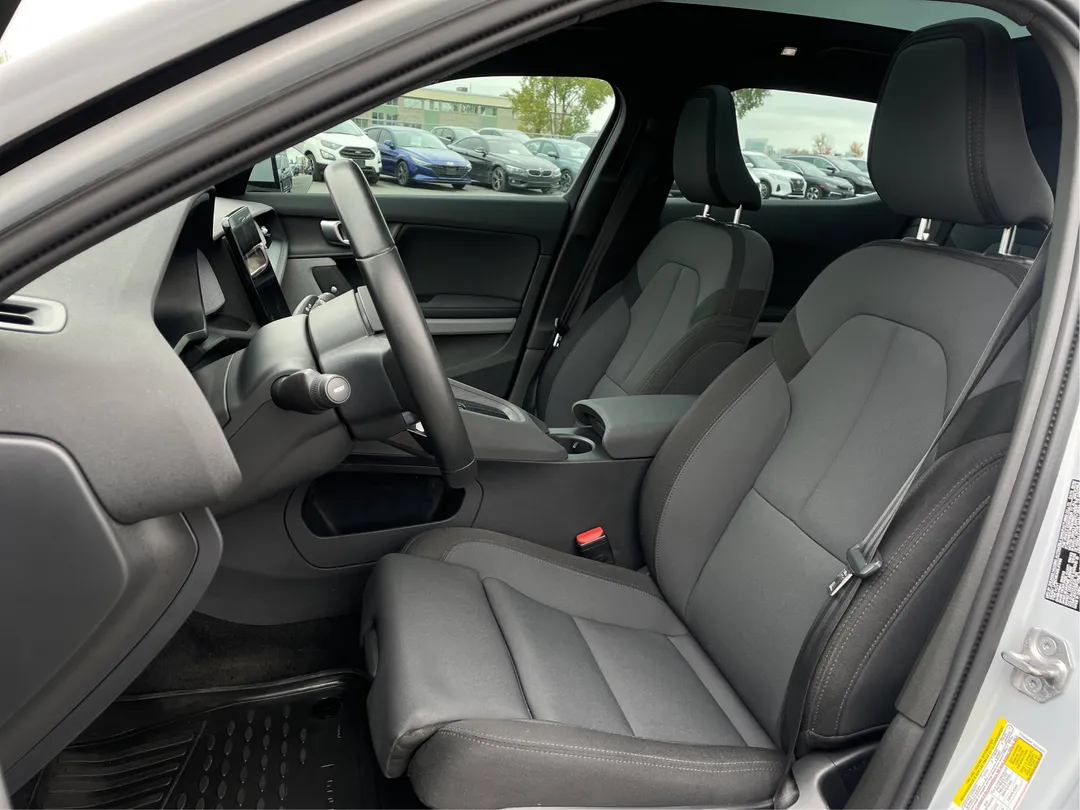
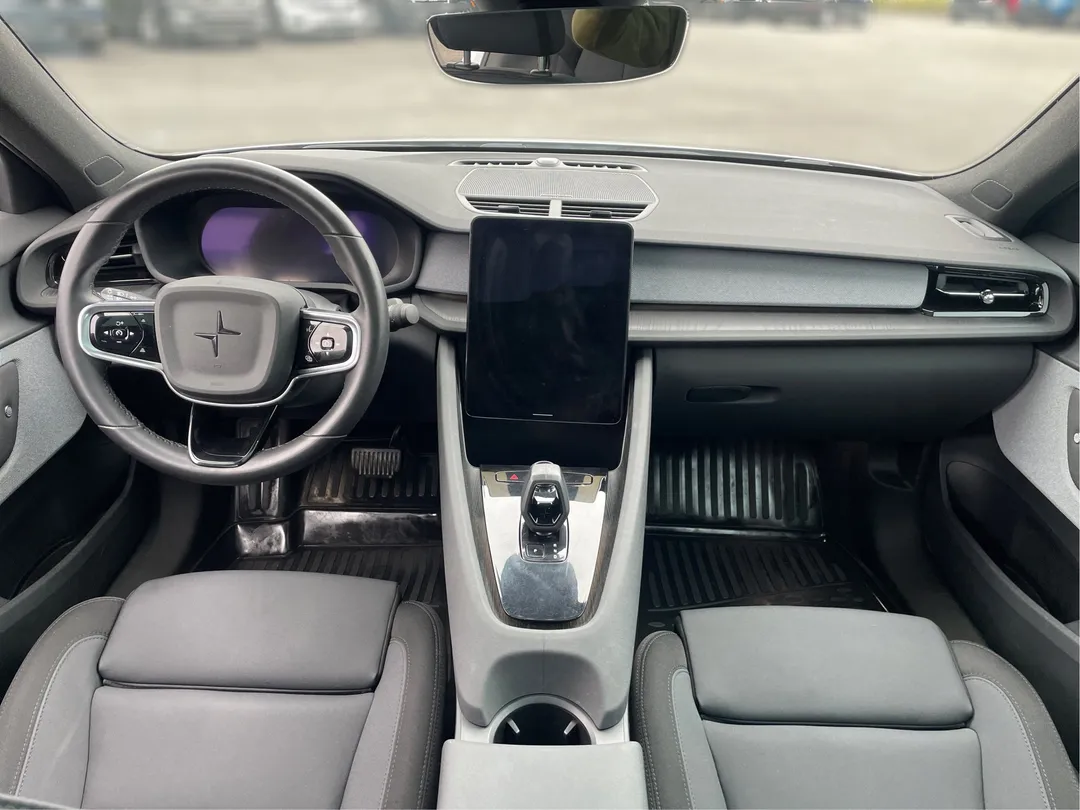

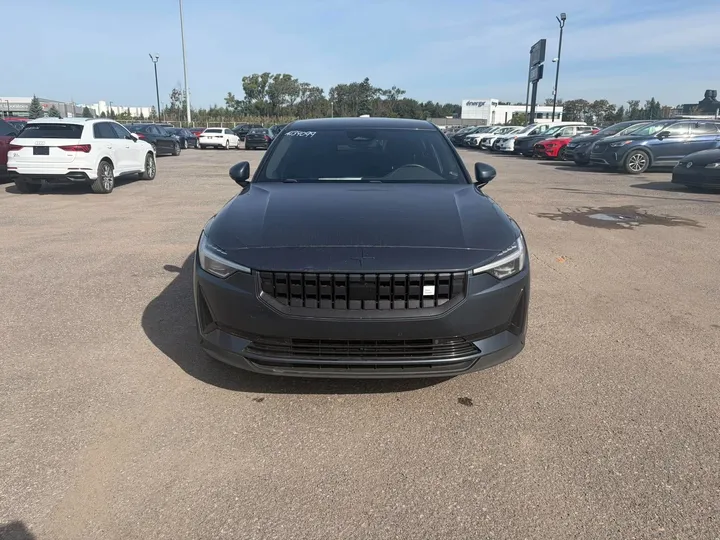

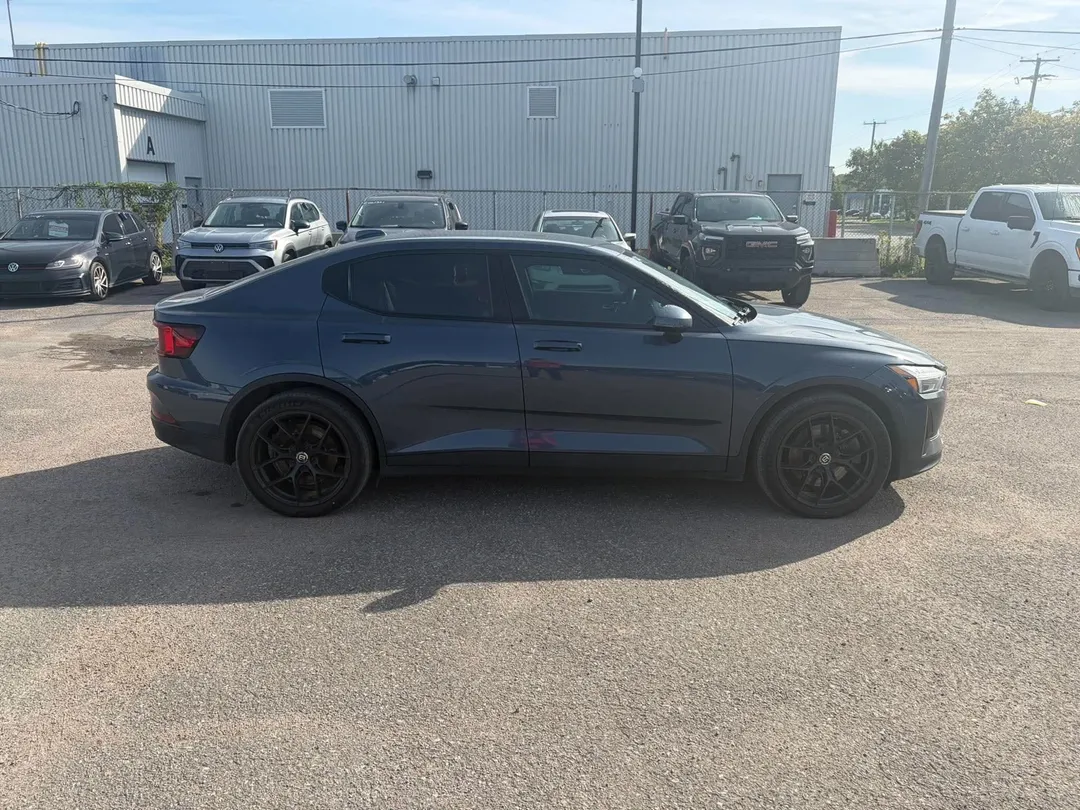
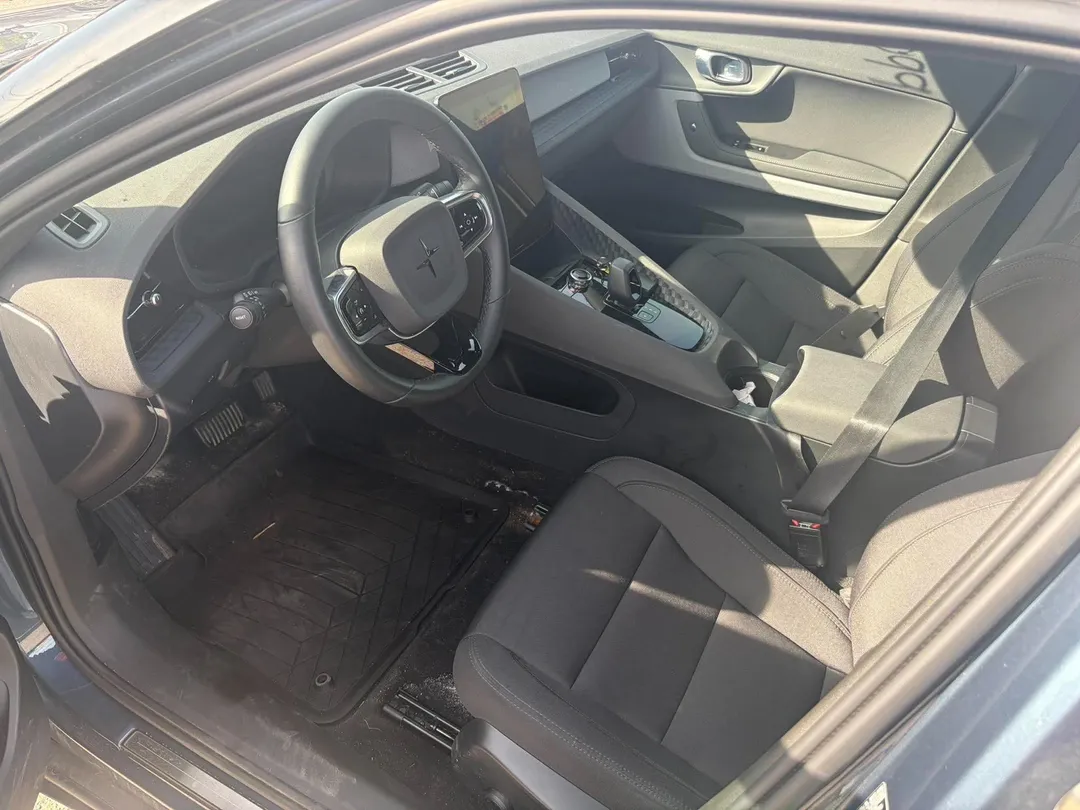
When it comes to practicality, the difference is much more noticeable in terms of volume. The Polestar 2 offers about 15.5 pi³ of cargo space (≈ 439 L). The Tesla Model 3, on the other hand, provides approximately 24 pi³ of total capacity (≈ 680 L), including the front trunk depending on the configuration.
In practical terms, if your needs often involve suitcases, equipment, or regular trunk use, the Model 3 is generally the more convenient option. If your top priority is a more premium cabin feel in terms of ambiance and materials, the Polestar 2 remains a very strong contender.
Electric Performance & Range
An electric car’s performance is about more than just raw numbers. It directly impacts the driver’s daily experience, the ability to handle long trips or harsh Quebec winters, and how you use your EV in everyday life. In the case of the Polestar 2 and Tesla Model 3, these factors come down to battery quality, real-world range, energy consumption, and smart energy management.
Real-World range and road performance
The impact of winter on electric car range depends on several factors: outside temperature, driving style, road types, and of course, battery capacity. It's important to remember that EV range in Quebec can vary significantly, especially in winter, when heating, air conditioning, and ambient temperatures have a major impact on energy consumption.
Technically, the Long Range versions of the Tesla Model 3 often lead in pure range, with EPA figures exceeding 500 to 530 km under optimal conditions.
The Polestar 2, depending on configuration (Single Motor or Dual Motor) and battery size, typically offers between 450 and 500 km of range. This places it slightly behind in the same category, while still remaining highly competitive for mixed driving and highway use.
This difference is especially noticeable on longer highway trips, where higher range translates into fewer charging stops and greater convenience for travel outside urban areas, particularly in Quebec.
Acceleration, power, and driving dynamics
When it comes to power, acceleration, and driving feel, both models deliver engaging experiences thanks to their electric drivetrains. The Tesla Model 3 stands out with instant throttle response and often quicker acceleration figures, supported by optimized software that maximizes the full potential of electric torque.
The Polestar 2, on the other hand, strikes a balance between performance and comfort, with all-wheel drive available on certain versions. This contributes to improved traction and stability in varying road conditions.
Charging & onboard technologies
Charging and onboard technology are key factors that shape the day-to-day experience of owning an electric vehicle. They have a direct impact on overall digital convenience and how effectively you can manage range across different driving scenarios.
Home charging and fast-charging capabilities
For most EV drivers, home charging remains the most convenient option. Both the Tesla Model 3 and the Polestar 2 can be charged using a residential wall box or a Level 2 outlet, offering similar charging speeds depending on the setup.
On public charging networks, however, their approaches differ:
- The Tesla Model 3 benefits from the extensive Tesla Supercharger network, known for its density and reliability. It offers fast charging sessions that are often easier to locate, with high power output that helps minimize charging time on the road.
- The Polestar 2 relies on CCS fast-charging networks, which are widely compatible, but availability and speed can vary depending on the operator and the region.
On highways or during road trips, the ability to quickly regain a usable range has a direct impact on the real-world experience. A dense and consistent charging infrastructure can significantly reduce charging-related stress, especially on long-distance travel.
Infotainment, driver assistance, and digital experience
Connectivity and onboard technology are also key differentiators between the two models.
The Tesla Model 3 is centered around a large, single touchscreen that controls nearly all vehicle functions, including navigation, entertainment, drive settings, and range data. Tesla has also led the way in over-the-air updates, allowing features, including driver assistance systems like Autopilot,to be improved regularly. Apple CarPlay and Android Auto are not natively supported, but Tesla’s proprietary interface is often praised for its responsiveness and frequent updates.
The Polestar 2, by contrast, features an interface built around native support for Apple CarPlay and Android Auto, making it easy to access navigation apps, music, and other connected services directly from the vehicle’s screen. Driver assistance features are powered by a well-calibrated suite of sensors and radars, with advanced assist options available depending on the version.
Pricing and Deals on the Used Car Market
In the first year alone, a new vehicle typically loses between 20% and 30% of its value, and up to 40% to 50% after three years, depending on the model year, trim level, and mileage. Buying a used car allows you to access well-equipped versions at a significantly lower price than new.
In Quebec, the used Tesla Model 3 stands out as the more affordable option, with prices generally ranging from $22,000 to $29,000 depending on the trim, model year, and mileage. It offers one of the best price-to-range ratios on the used EV market.
The used Polestar 2, which is less common, typically sells for between $24,000 and $32,000, especially for Long Range or Dual Motor versions. Its slightly higher cost is explained by its more premium positioning and limited availability.
At Automobile En Direct, used Tesla Model 3 and Polestar 2 vehicles are among the best deals on the pre-owned market. Prices are aligned with real market values, information is fully transparent, and flexible auto financing options are available, including second and third chance financing, to suit your budget.
Verdict: Polestar 2 or Tesla Model 3?
At this point in the comparison, it’s clear that the Polestar 2 and Tesla Model 3 are both highly capable electric sedans, but they cater to slightly different buyer profiles. Here are the key takeaways to keep in mind if you’re still undecided between the two models.
Why Choose the Polestar 2
The Polestar 2 stands out with a more premium approach focused on a refined driving experience. Its well-crafted interior, high-quality materials, and Scandinavian design make it a comfortable and well-balanced electric sedan, particularly appealing for drivers who prioritize:
- Driving comfort and cabin quality: Well-supported seats, user-friendly ergonomics, and a more traditional interior ambiance, which particularly appeals to drivers and passengers who spend a lot of time on board.
- Fit and finish : A clean, upscale interior and exterior design that moves away from tech-focused minimalism in favor of a more classic automotive feel.
- Intuitive technology : With full Apple CarPlay and Android Auto integration, the connected experience is seamless and familiar for many users.
- Everyday versatility: A solid balance of range, comfort, interior space, and driving dynamics, making it a great fit for daily commuting or family use without sacrificing quality.
In short, the Polestar 2 is especially well suited for those who want an elegant, comfortable, and well-equipped electric car, with strong road presence and a refined overall driving experience.
Why Choose the Tesla Model 3
The Tesla Model 3, by contrast, stands out for its efficiency, charging network, and tech-driven approach. Often seen as a performance- and technology-focused choice, it offers several concrete advantages:
- Range and efficiency: Long Range versions deliver highly competitive range figures, ideal for long-distance travel or frequent road trips—especially relevant in a province like Quebec.
- Supercharger network: A dense and reliable fast-charging infrastructure makes long journeys easier and less stressful.
- Unique onboard technology: Tesla’s proprietary interface is intuitive, regularly enhanced through over-the-air updates, and paired with one of the most advanced driver assistance suites on the market (Autopilot).
- Dynamic driving experience: Optimized software management provides strong acceleration, instant response, and an engaging electric drive that many drivers find enjoyable.
In short, the Tesla Model 3 is better suited for those who prioritize maximum range, access to the most robust charging network, and a deeply integrated, tech-forward driving experience.