Hyundai Tucson vs. Mazda CX-5: Which Compact SUV Is Better?
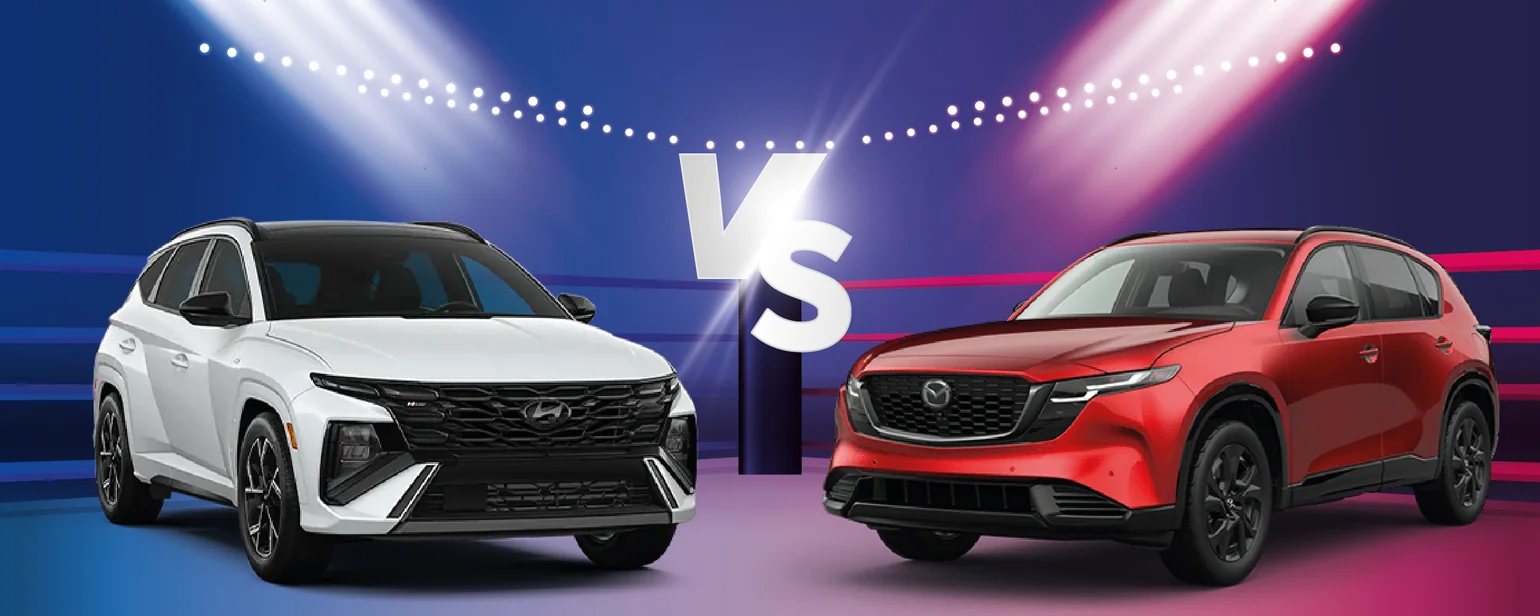
The Hyundai Tucson and Mazda CX-5 are two of the most sought-after compact SUVs on the used car market in Ontario. Reliable, spacious, and well equipped, these two models make it easy to understand why so many buyers hesitate when comparing the Tucson vs CX-5. This comparison covers fuel consumption, cargo space, technology, price, performance, and owner reviews to help you choose the used car that best suits your needs.
Fuel Consumption, Space, and Technology: A Complete Comparison
What Are the Specifications of the Tucson and CX-5?
The Hyundai Tucson is equipped with a 2.5-litre engine producing 187 horsepower, paired with an 8-speed automatic transmission. The Mazda CX-5 also comes standard with a 2.5-litre engine producing 187 horsepower, while a more powerful turbocharged version can deliver up to 256 horsepower and is paired with a 6-speed automatic transmission. The CX-5 comes standard with all-wheel drive across the lineup, while AWD is optional on the Tucson.
What Is the Fuel Consumption of the Tucson and CX-5?
The gas-powered Hyundai Tucson consumes an average of 9.7 L/100 km in the city and 7.7 L/100 km on the highway, according to official Hyundai Canada figures. The Mazda CX-5 has an official highway fuel consumption rating as low as 7.7 L/100 km with its 2.5 L Skyactiv-G engine. All-wheel-drive versions of both vehicles use slightly more fuel.
The Tucson plug-in hybrid, with a combined output of 268 horsepower, offers up to 53 km of all-electric range before the gas engine is required, an option the CX-5 does not currently offer.
Which SUV Offers More Cargo Space?
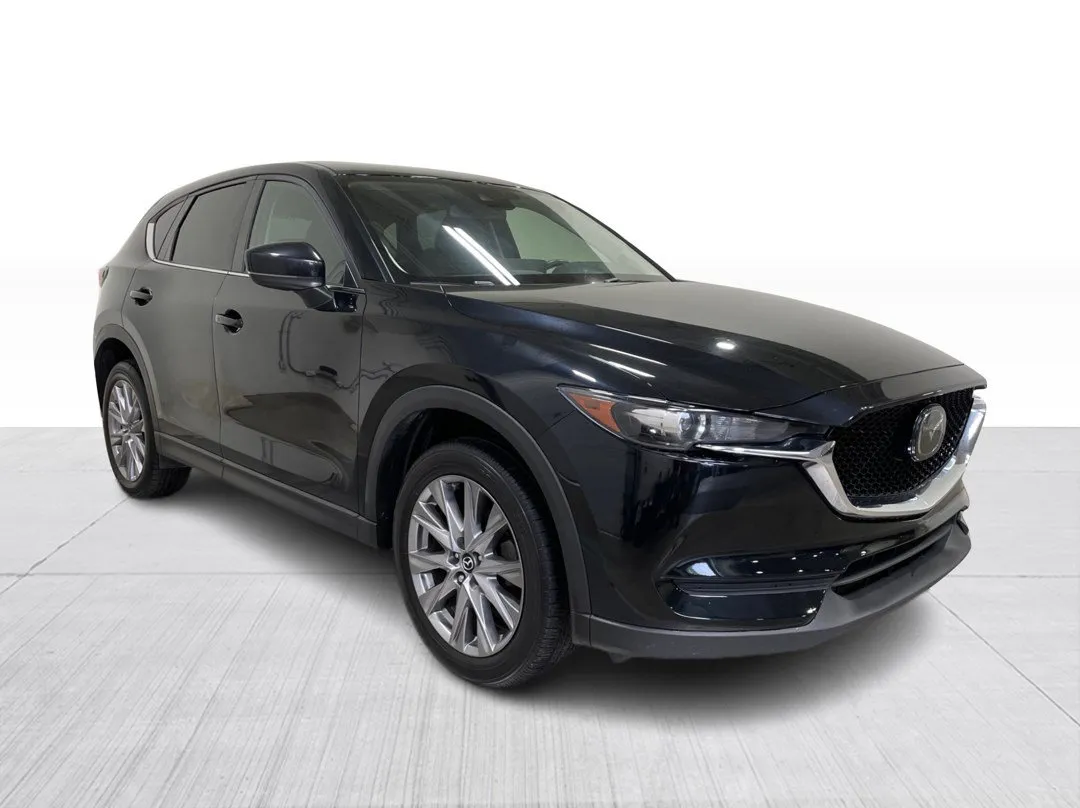
The Mazda CX-5 offers approximately 875 litres of cargo space behind the rear seats.
The Hyundai Tucson stands out with a larger cargo area: 1,096 litres with the rear seats up and up to 2,118 litres when they are folded down. The Tucson therefore has a clear advantage for families carrying luggage or bulky sports equipment.
How Does the Technology in the Two SUVs Compare?
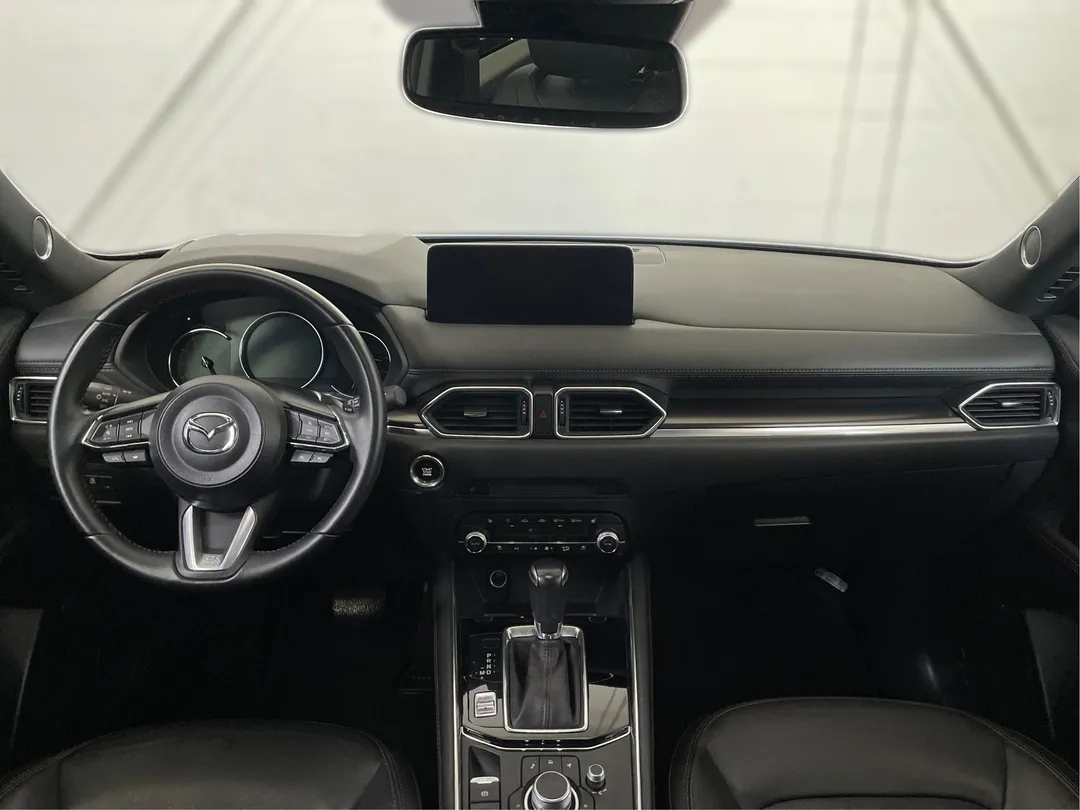
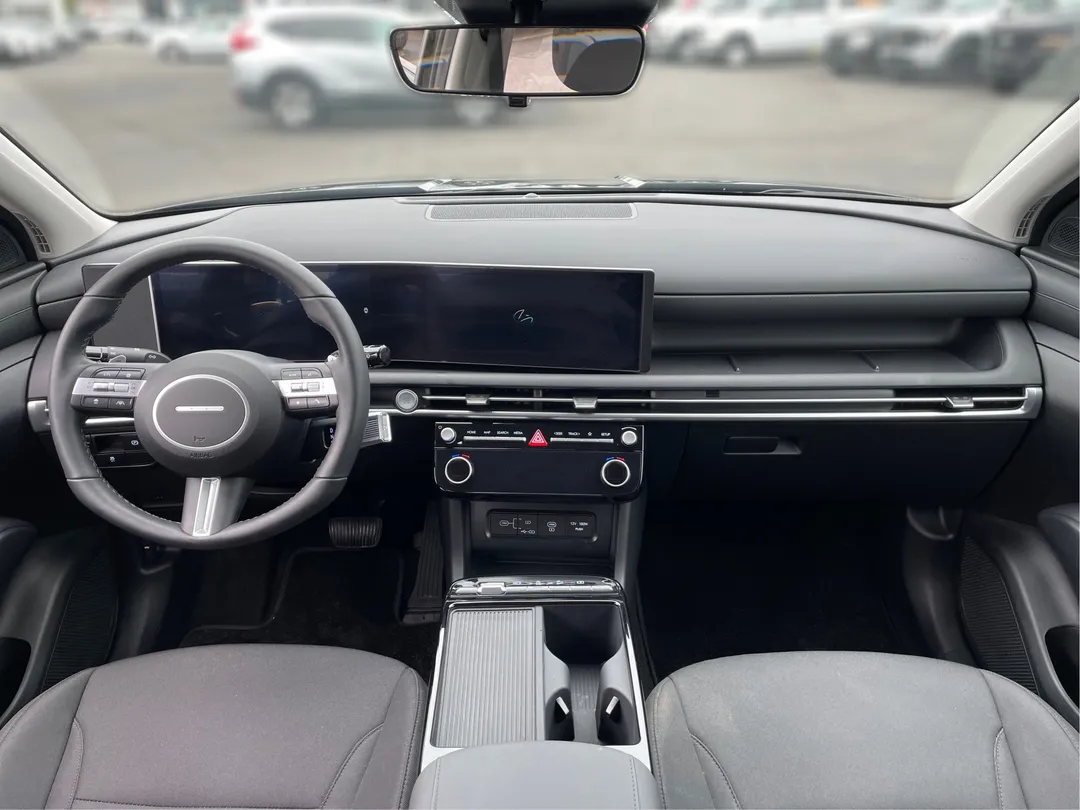
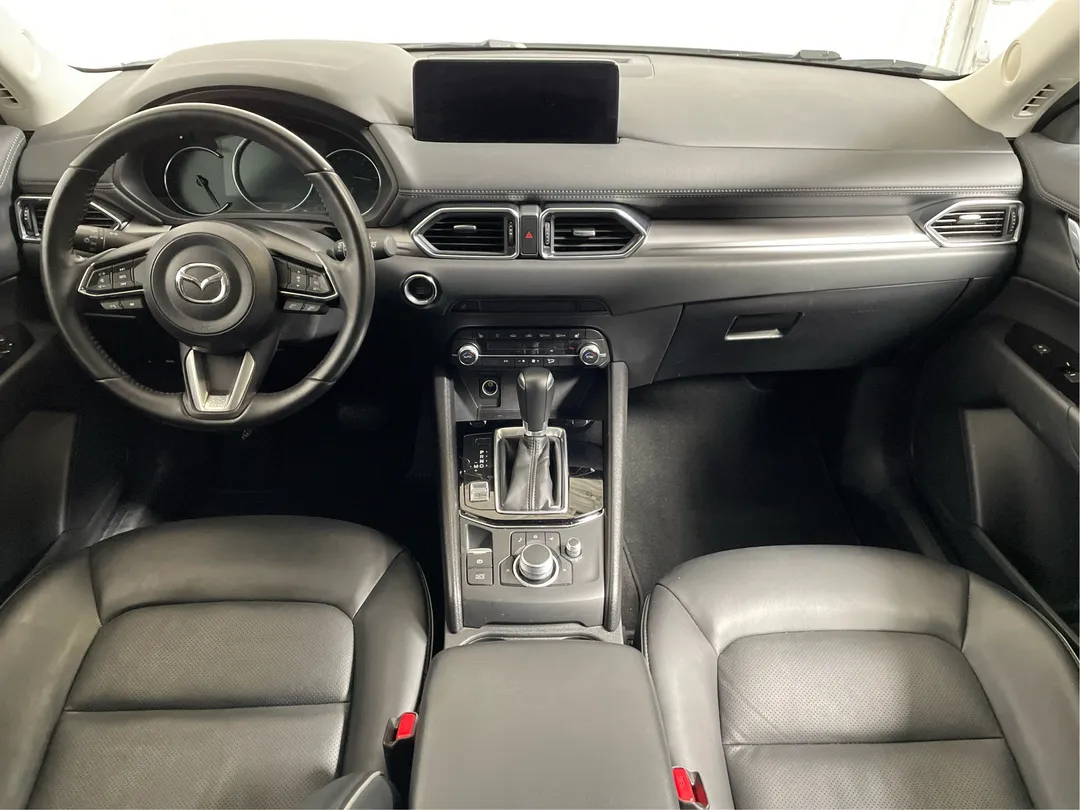
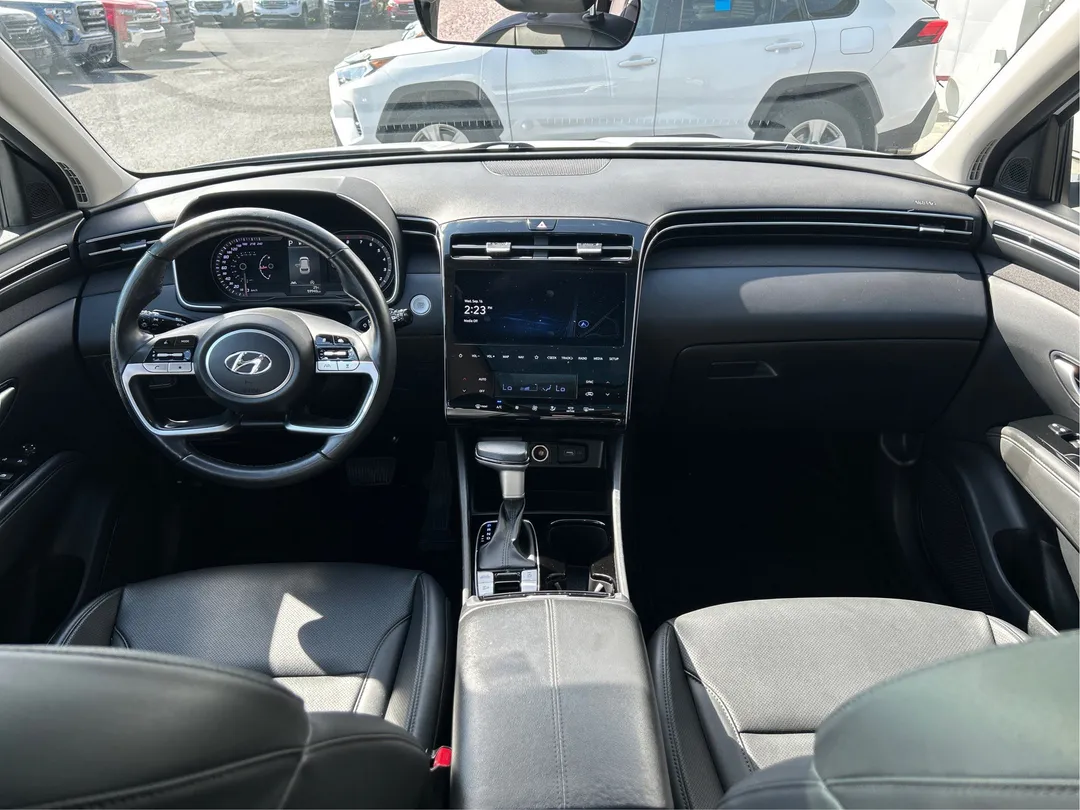
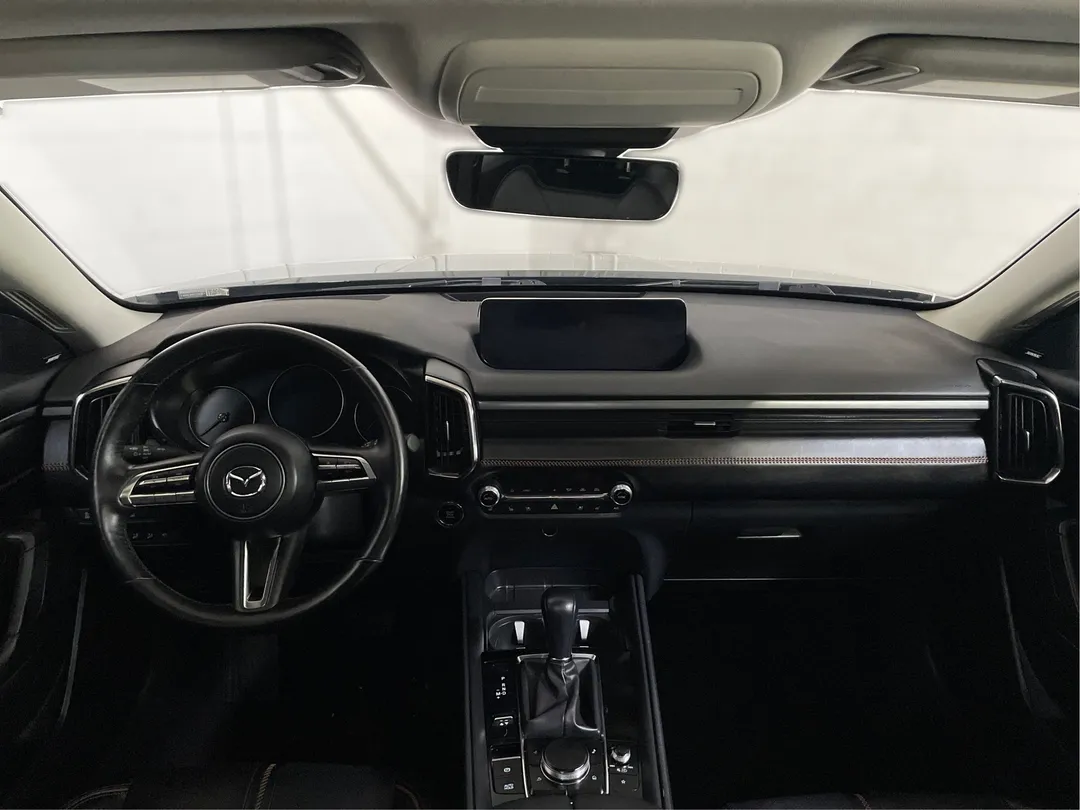
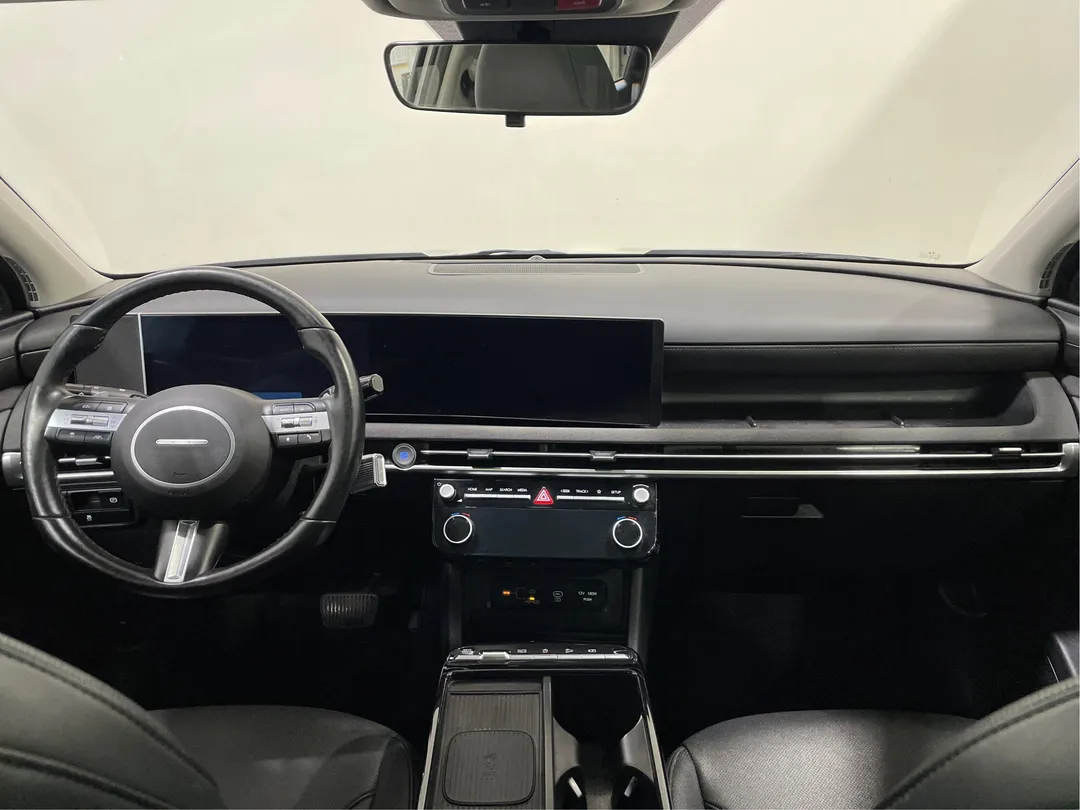
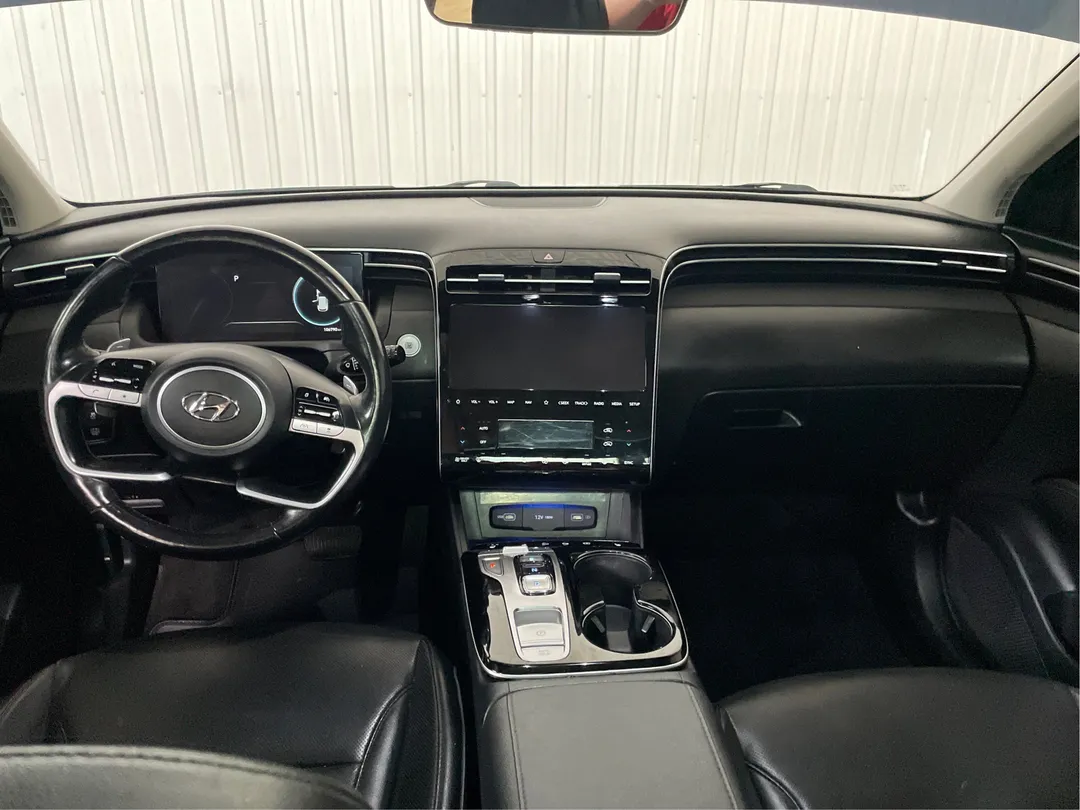
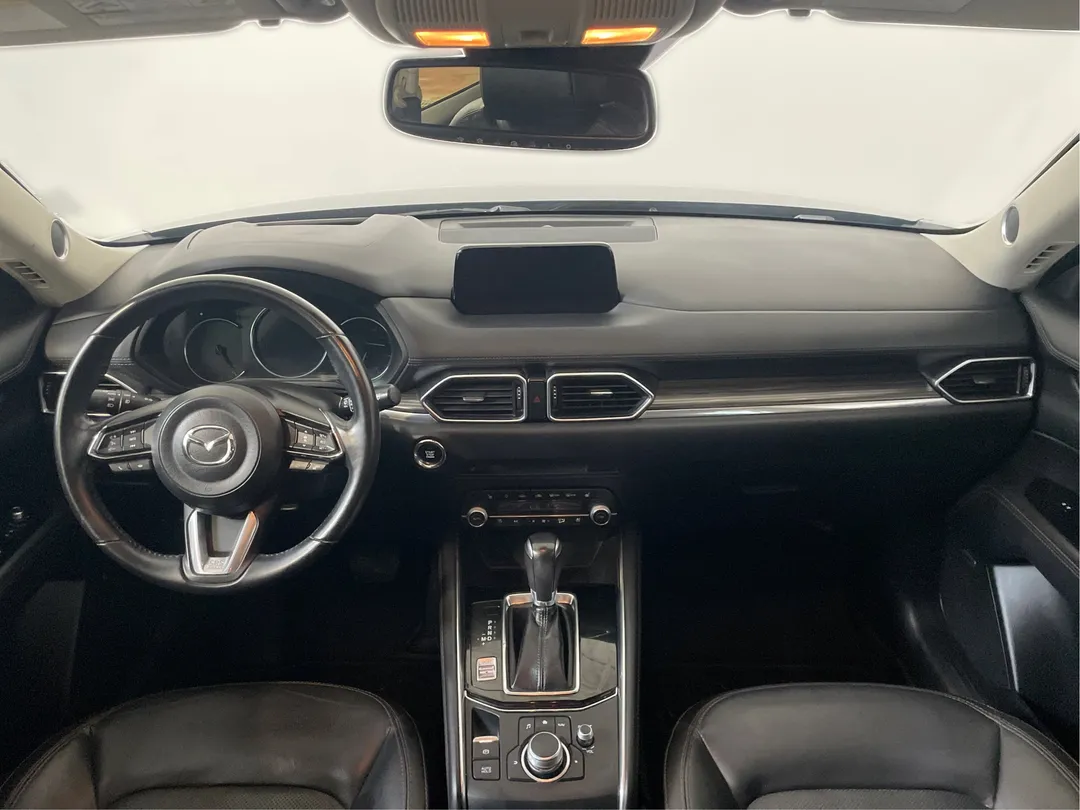
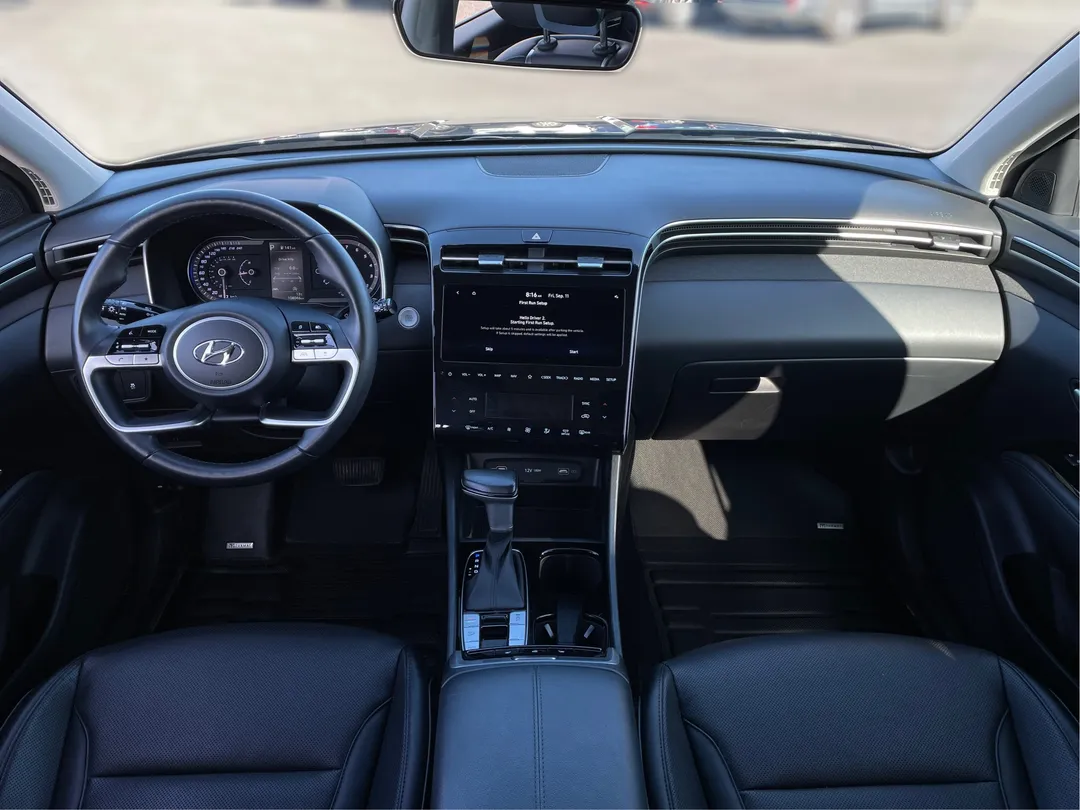
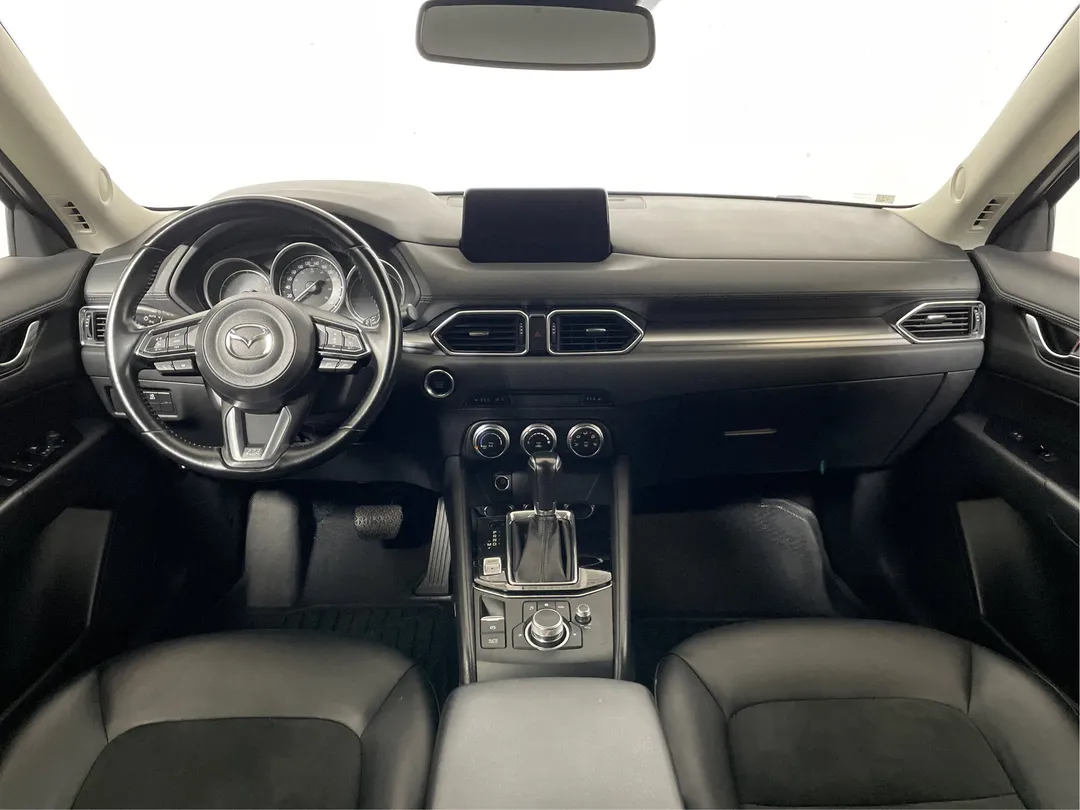
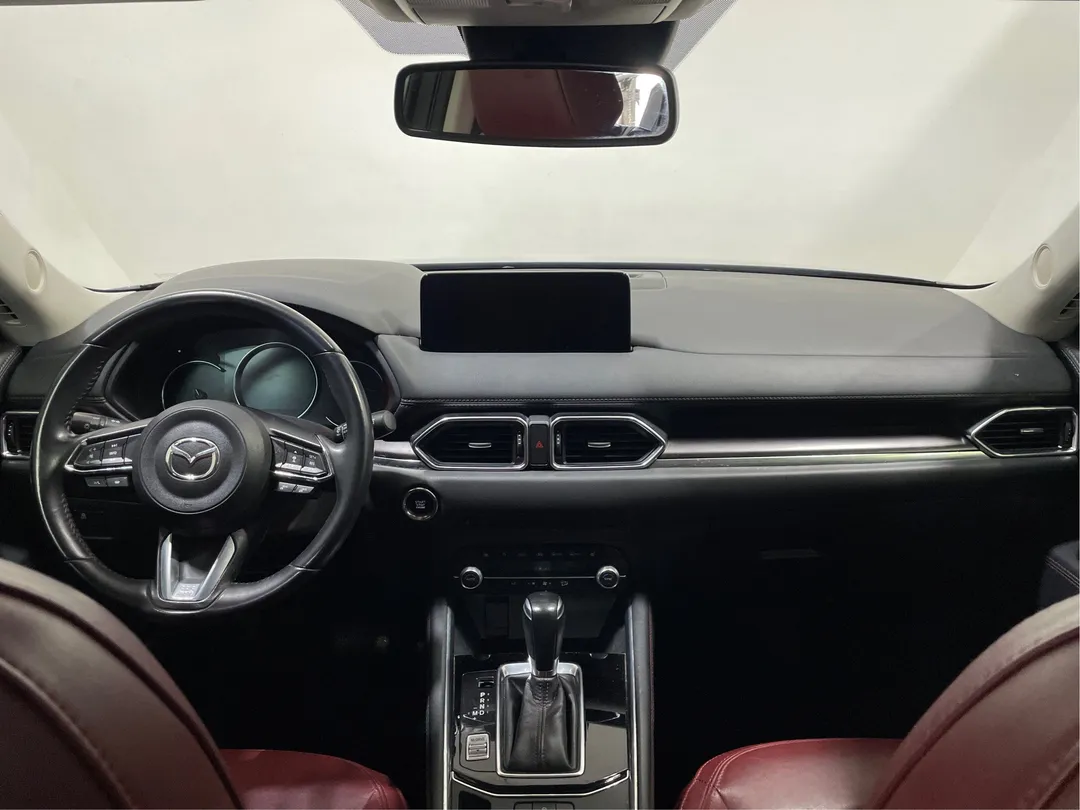
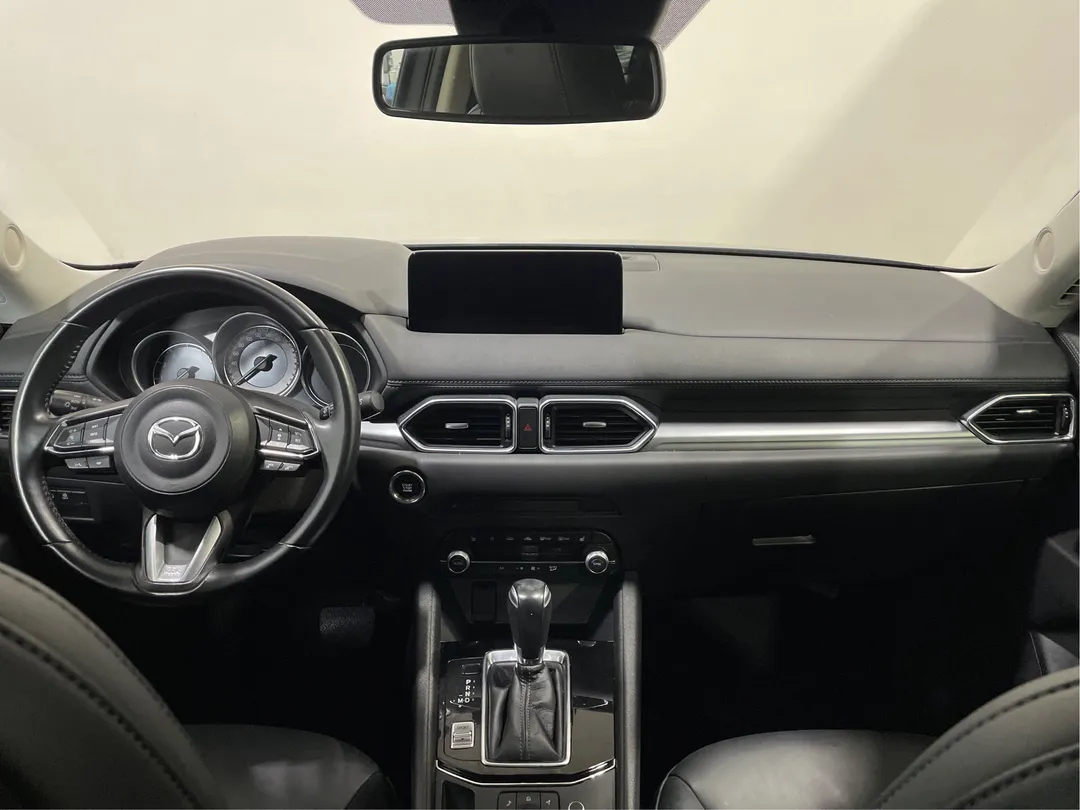
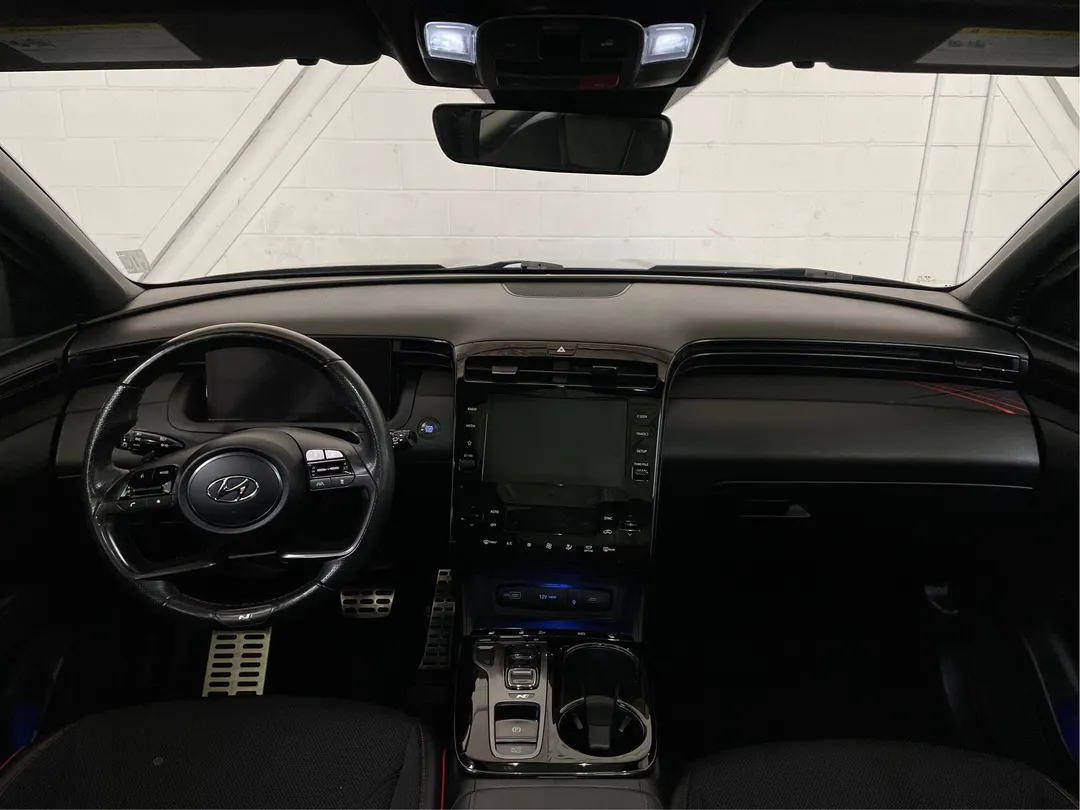
Both vehicles feature an infotainment system compatible with Apple CarPlay and Android Auto, as well as adaptive cruise control, blind-spot monitoring, and a rear-view camera. The Tucson features a larger touch screen and a more modern digital layout, while the CX-5 favours a simpler interface with more physical controls.
Both models also earn strong crash-test ratings, an important factor to verify before buying a used car.
Safety, Comfort, and Features: Other Factors to Compare
Beyond fuel consumption and cargo space, several other factors are worth comparing before choosing between the Tucson and CX-5. Dimensions, towing capacity, and onboard safety technologies may influence your decision depending on your everyday needs, whether you are driving in winter conditions or transporting equipment.
What Are the Dimensions and Towing Capacities of the Two SUVs?
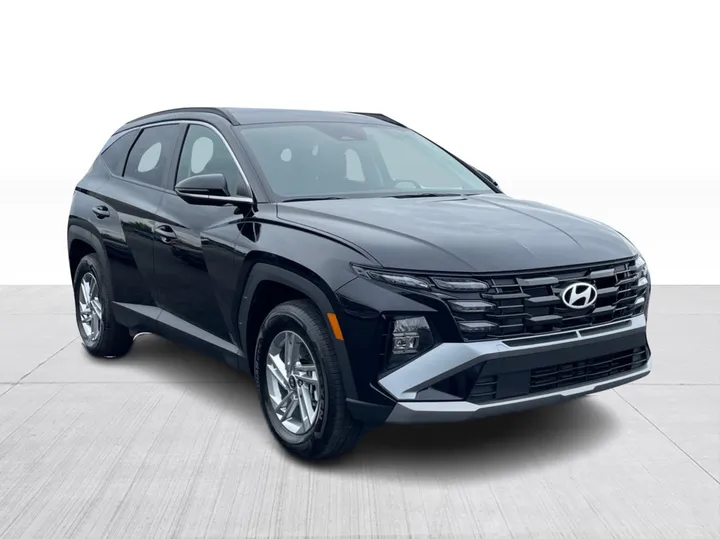
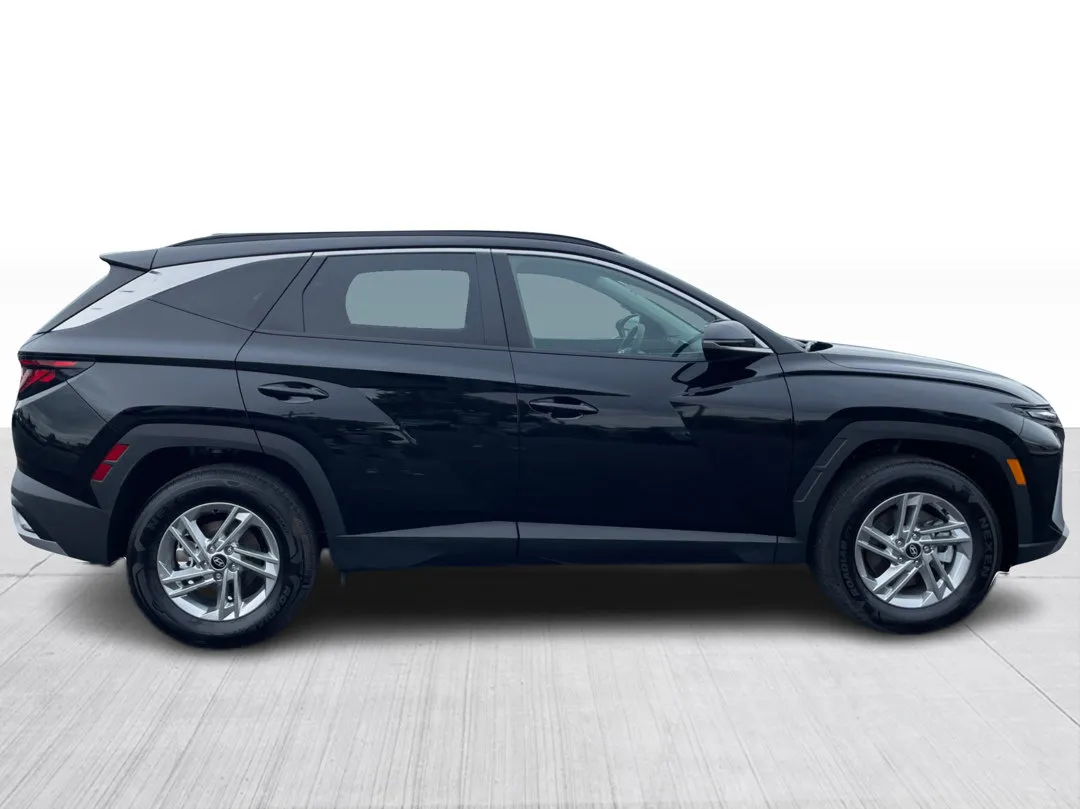
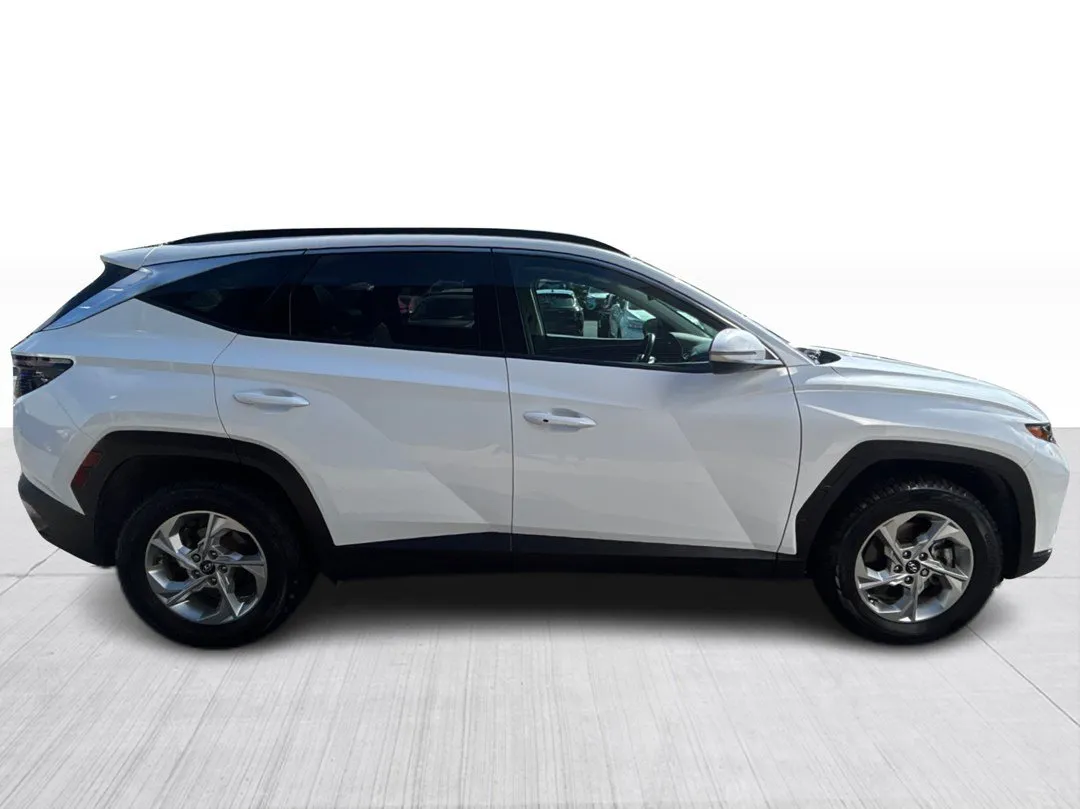
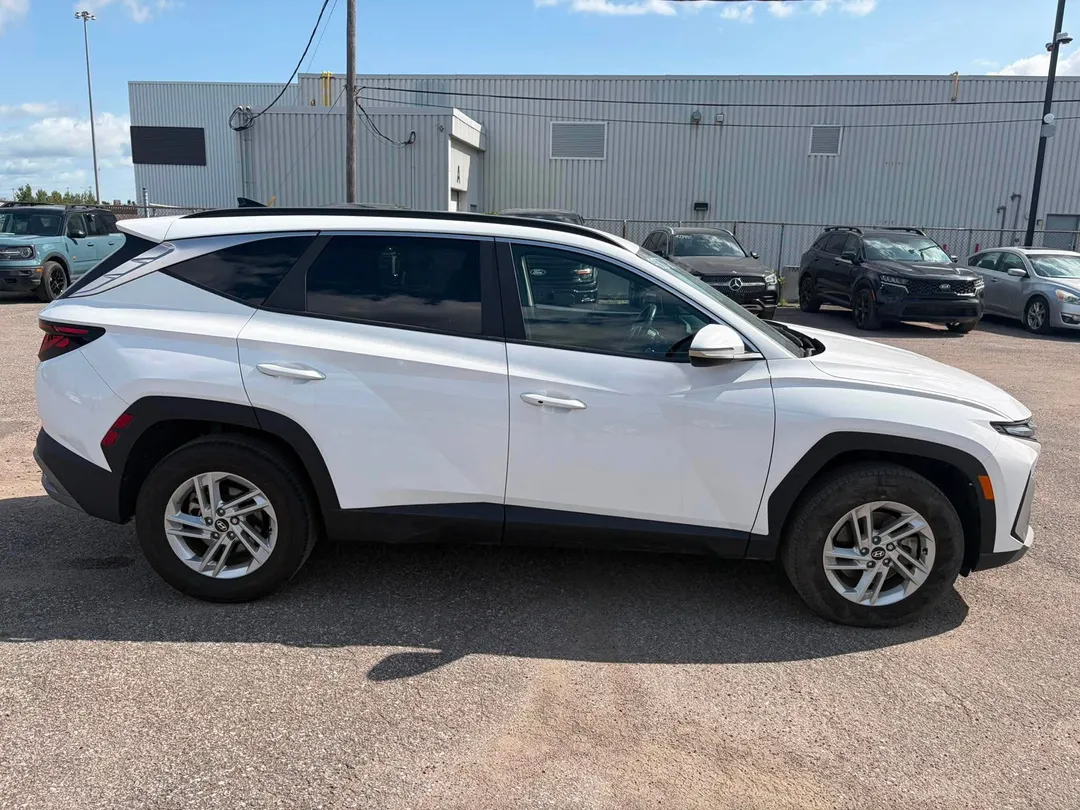
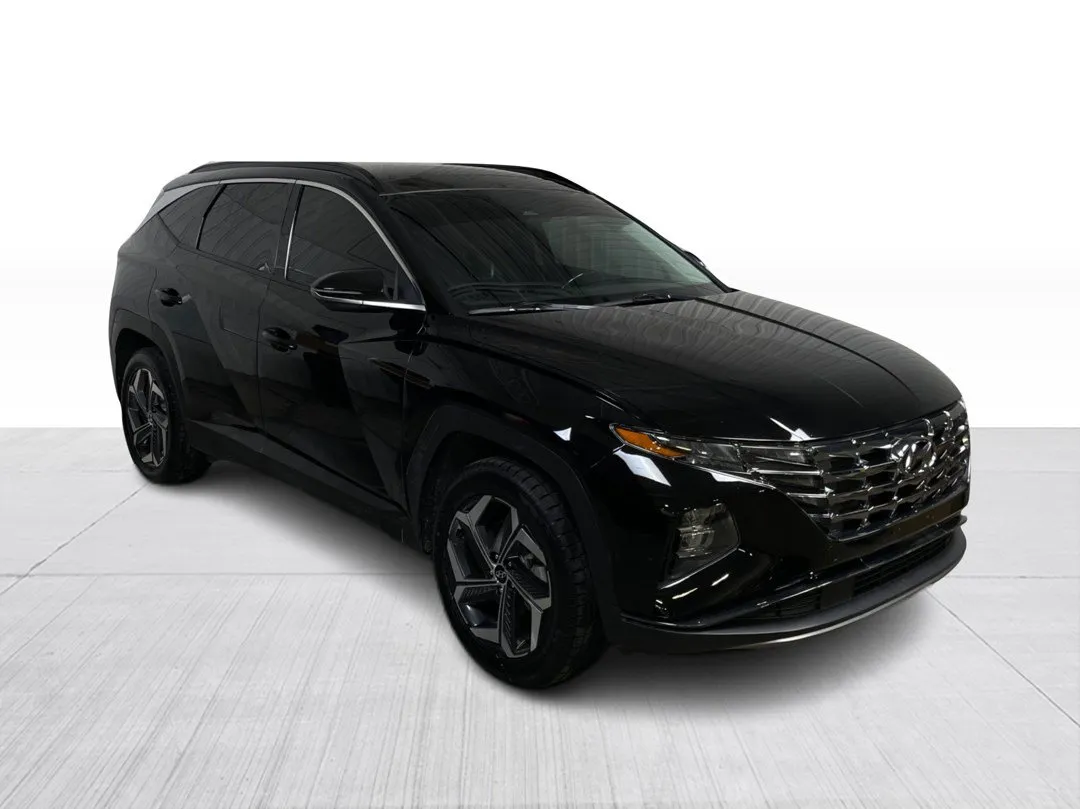
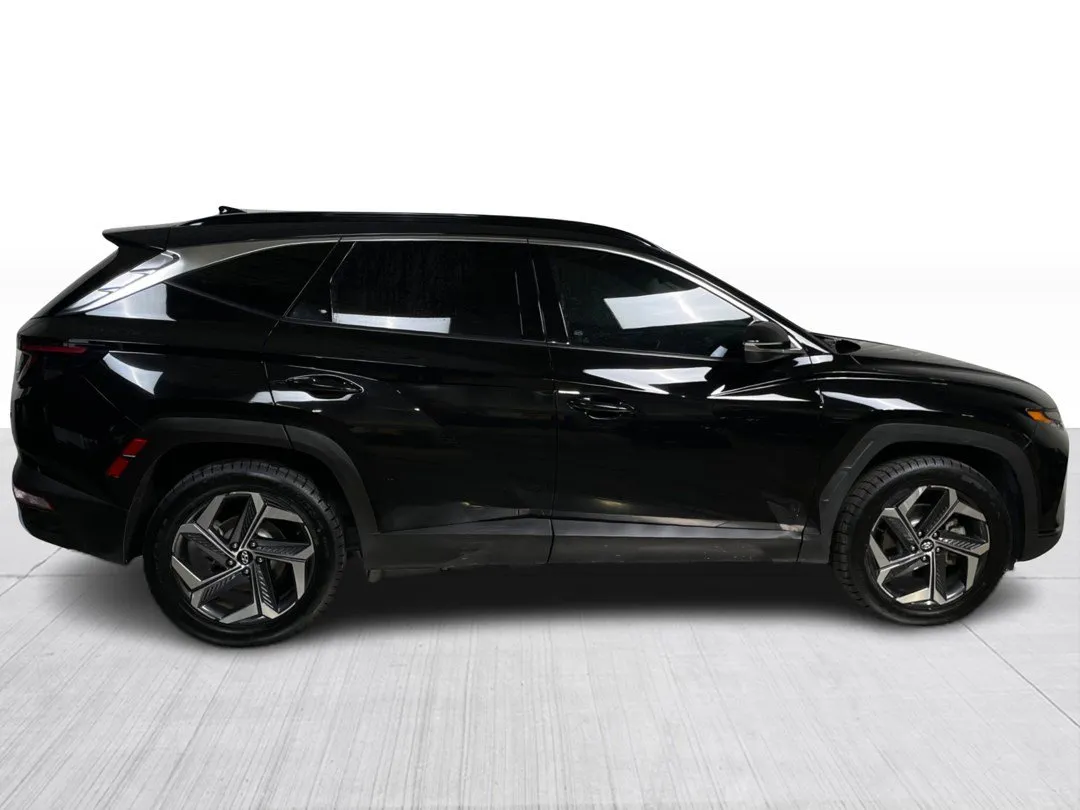
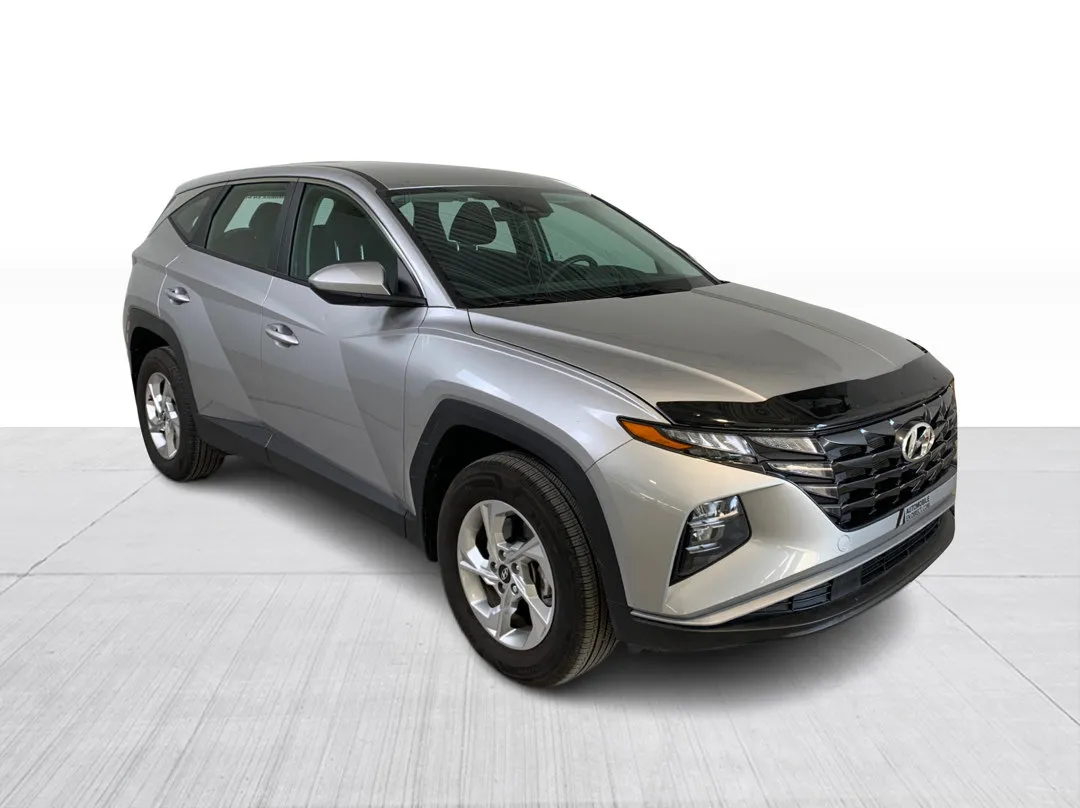
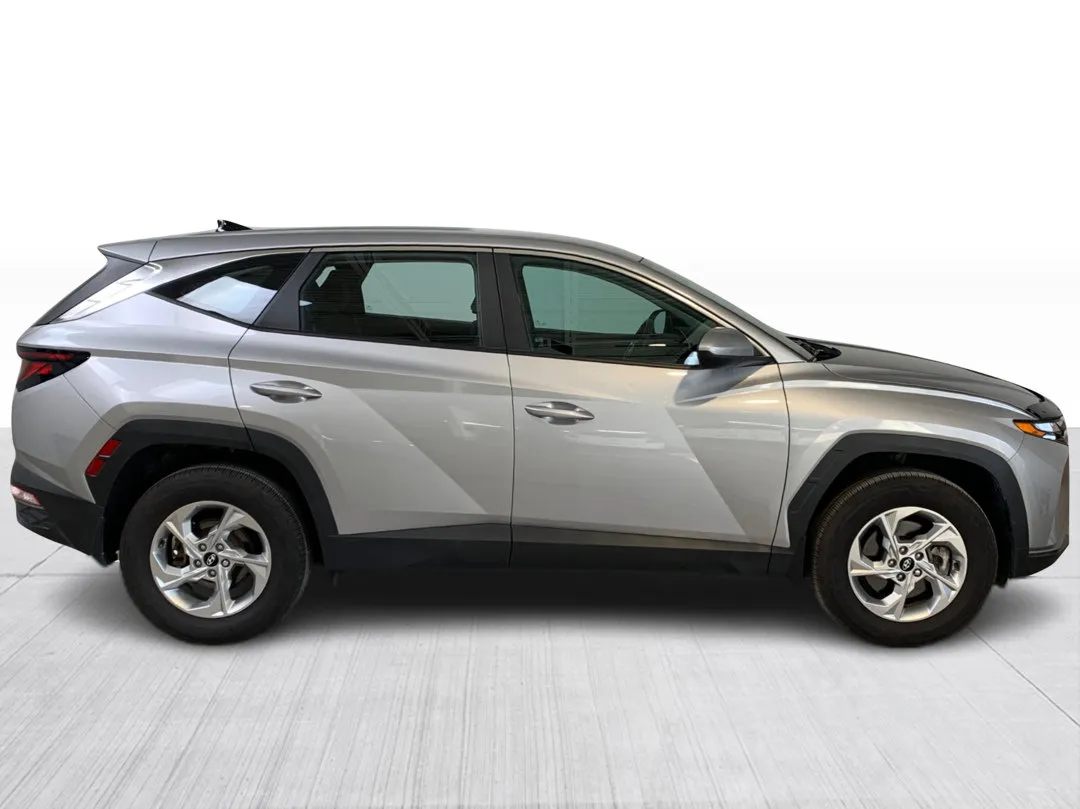
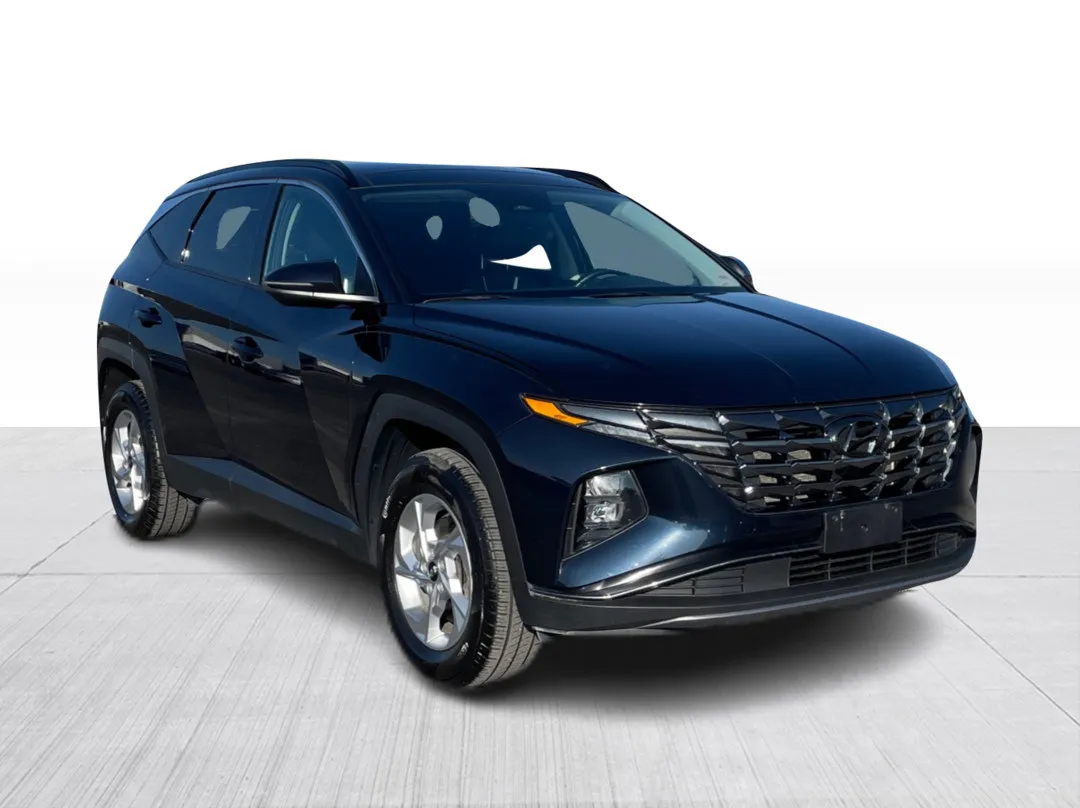
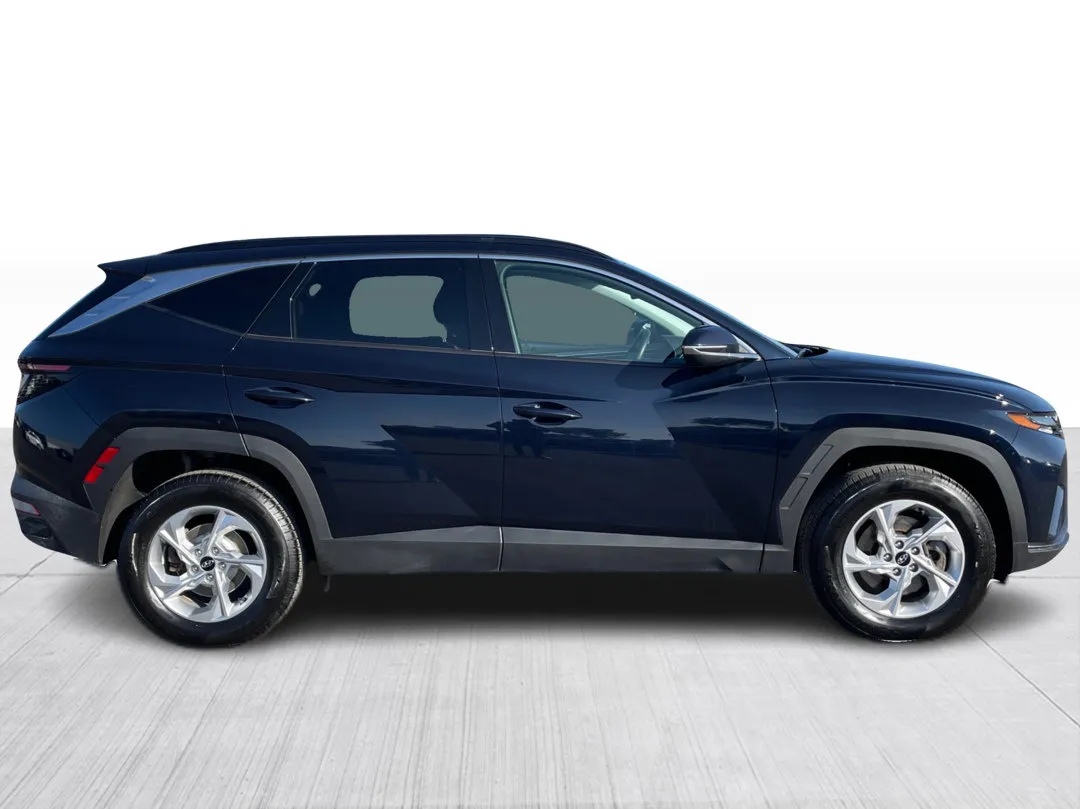
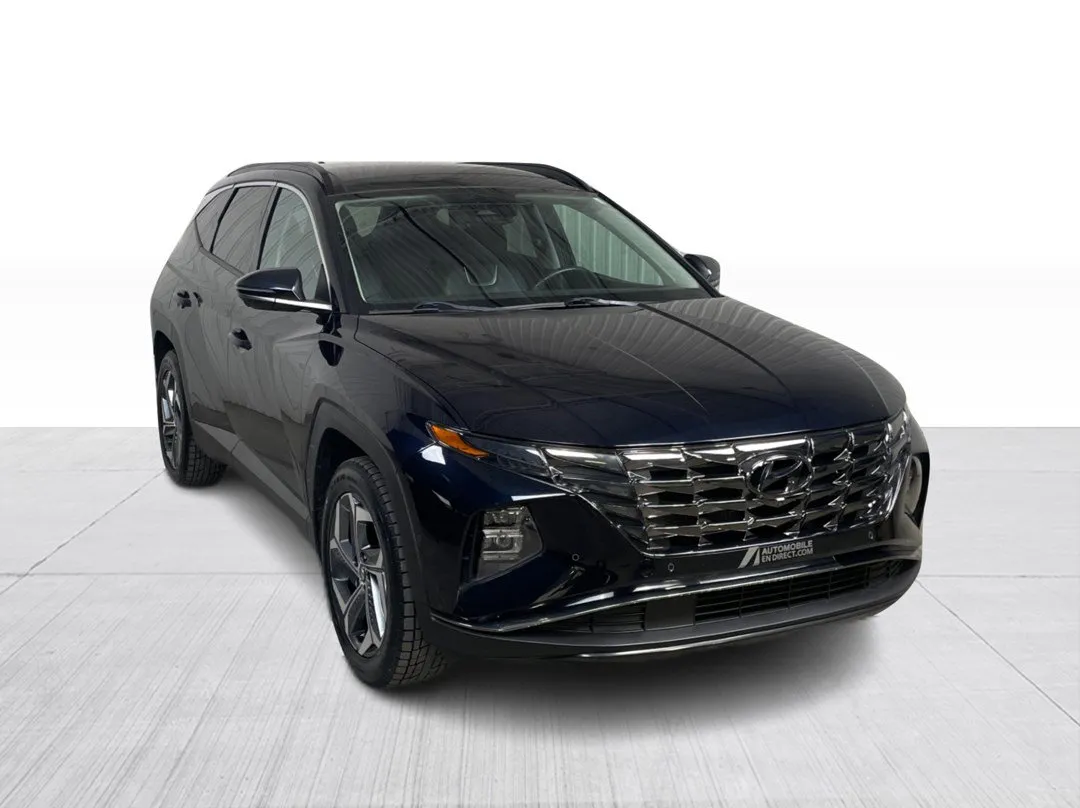
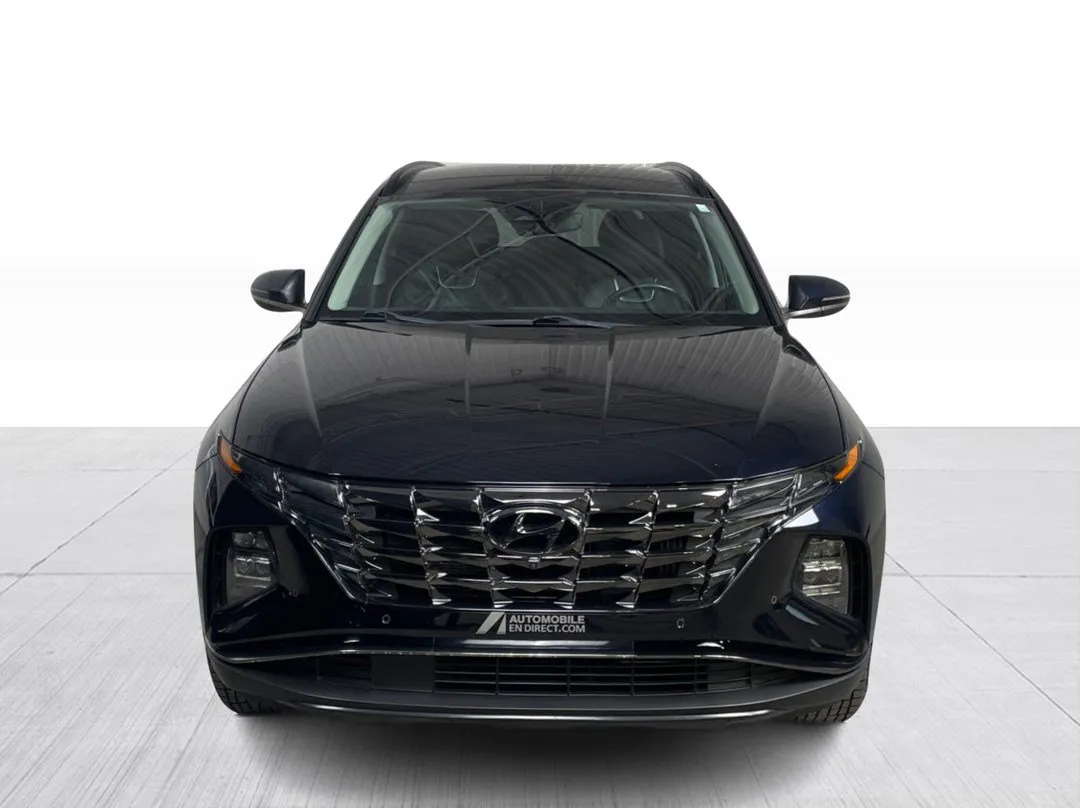
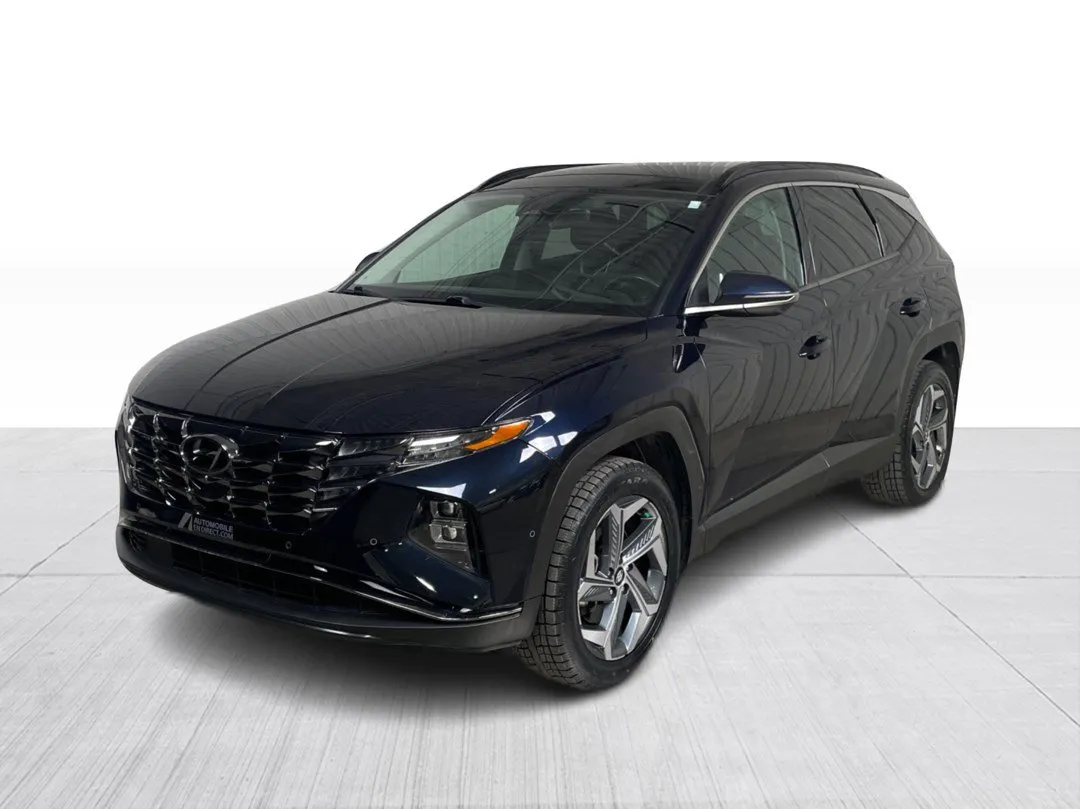
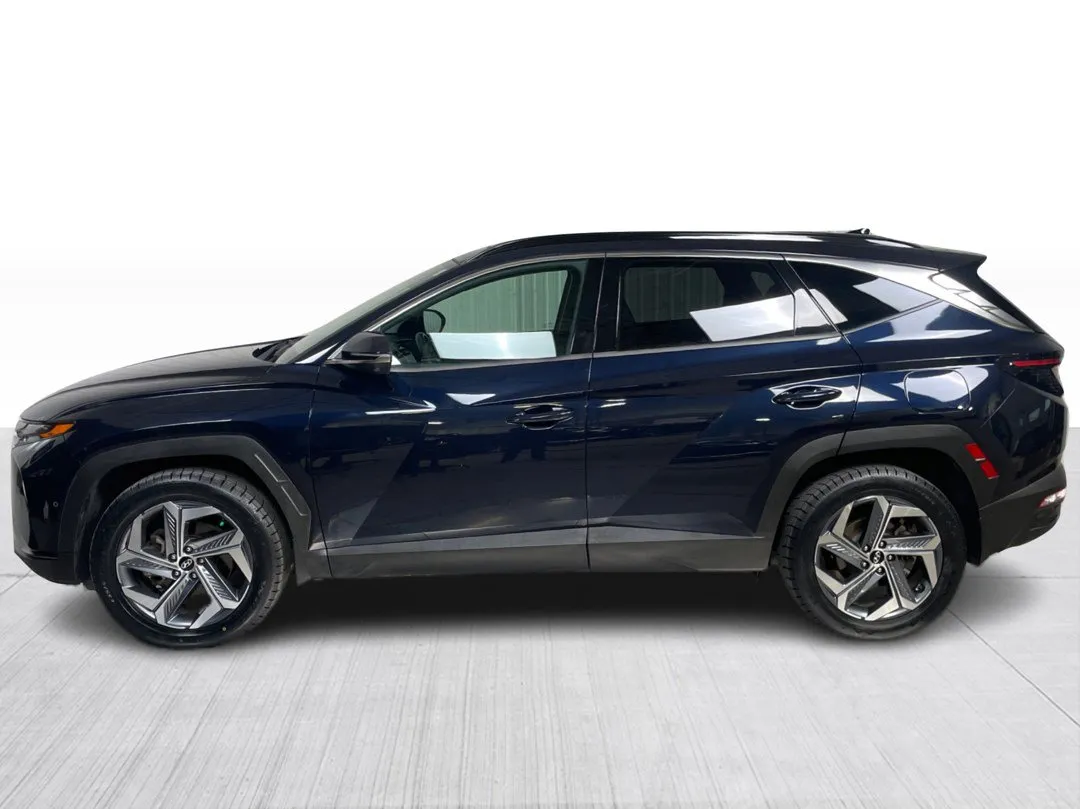
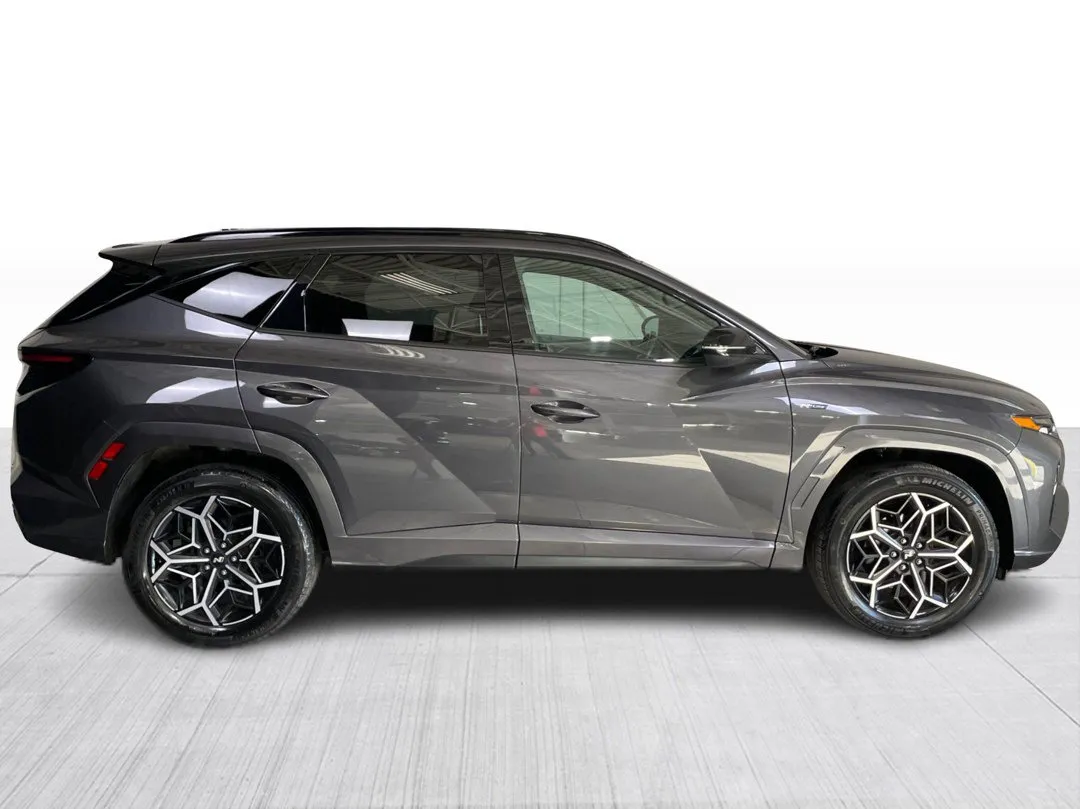
The Tucson measures 4.64 m long, 1.86 m wide, and 1.67 m high, with a wheelbase of 2.76 m. Its cargo capacity ranges from 1,096 L to 2,118 L depending on the position of the rear seats, and it can tow up to 3,500 lb (1,587 kg) with the 2.5 L engine. Towing capacity drops to 2,000 lb for hybrid versions.
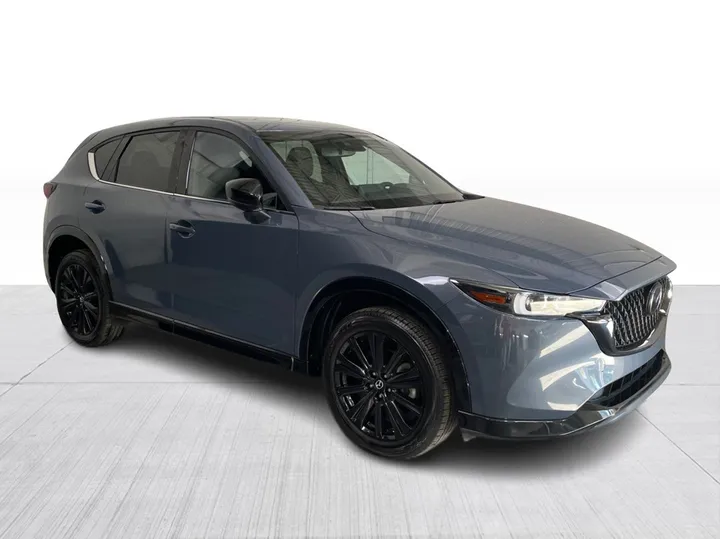
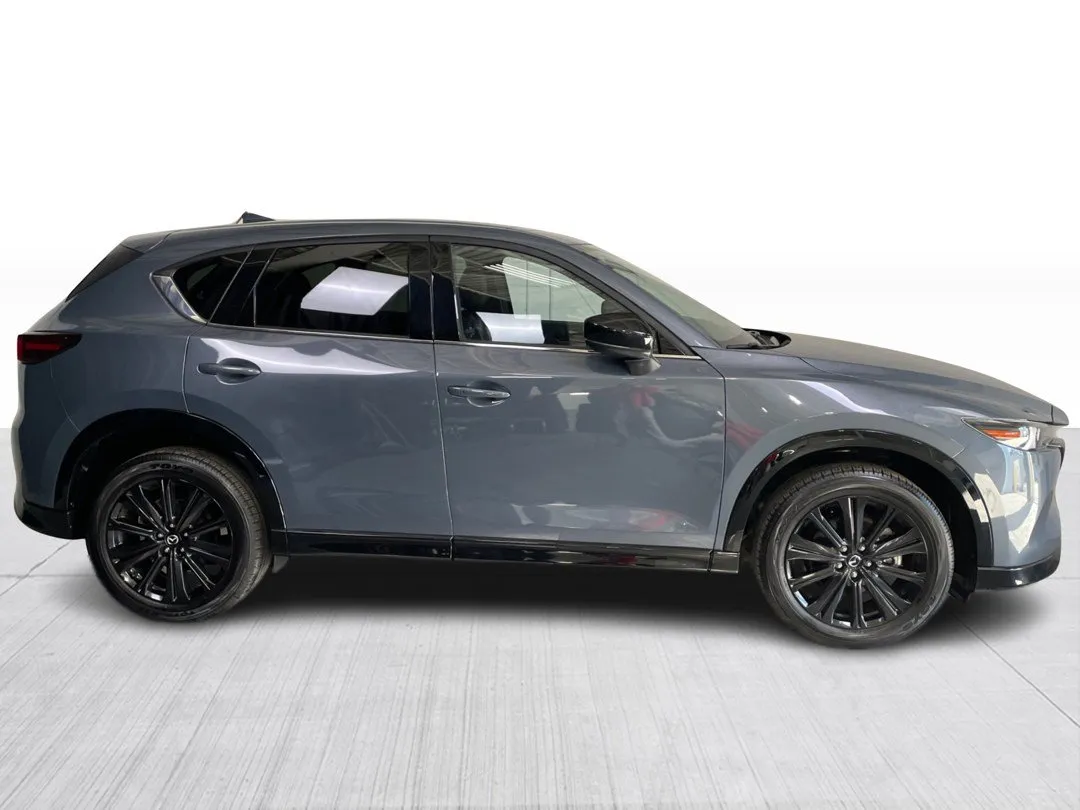
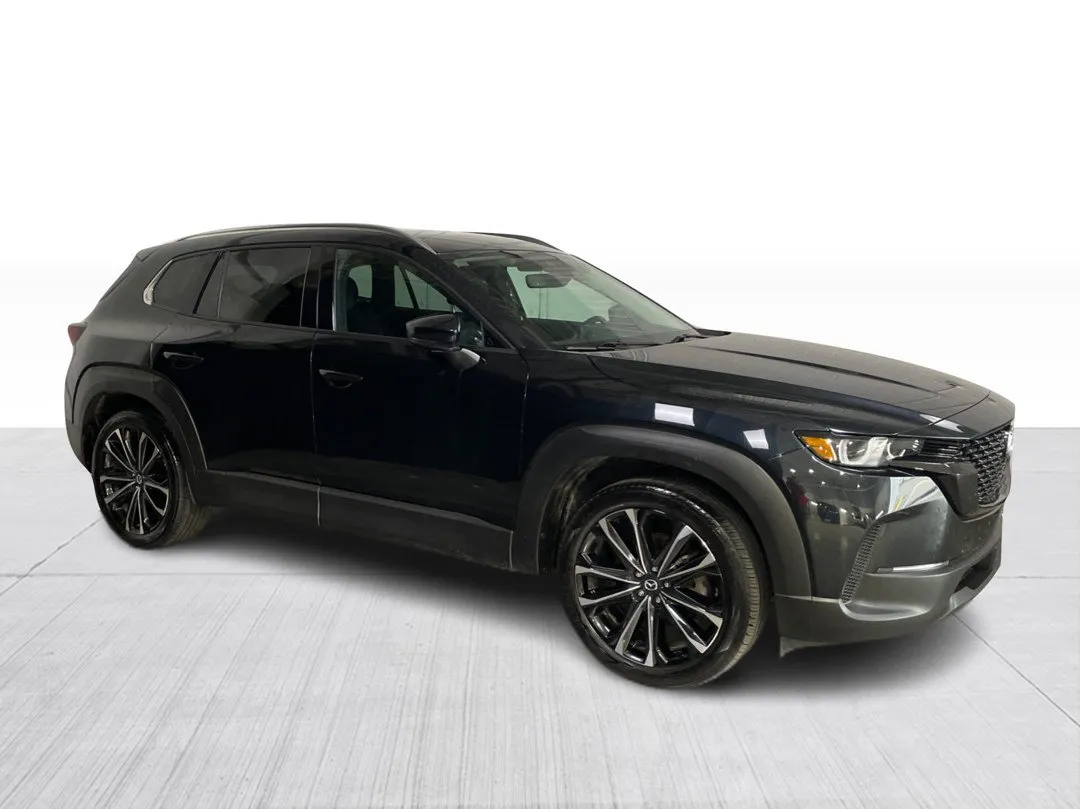
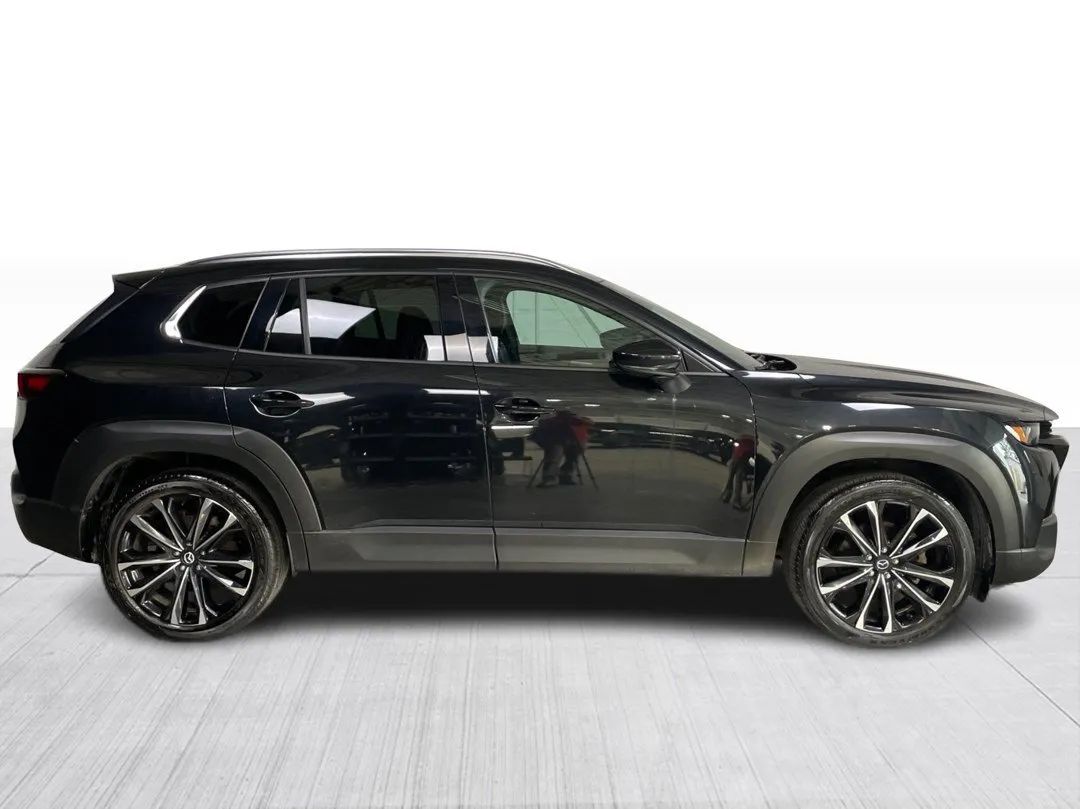
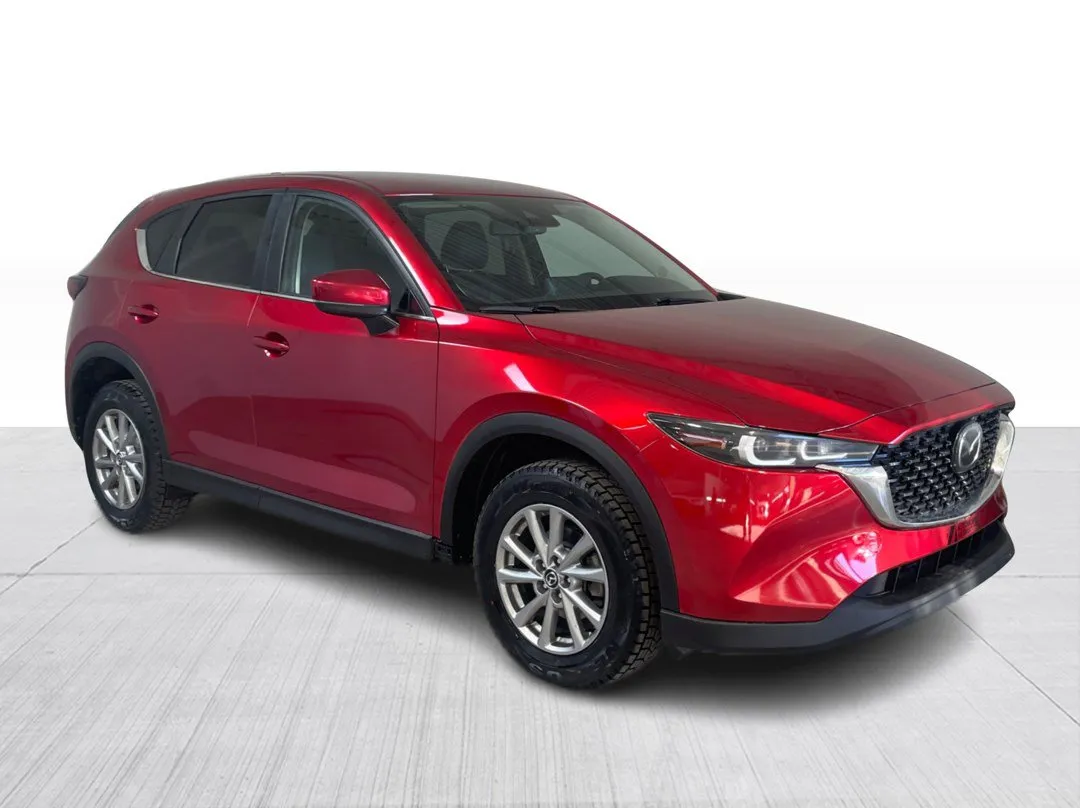
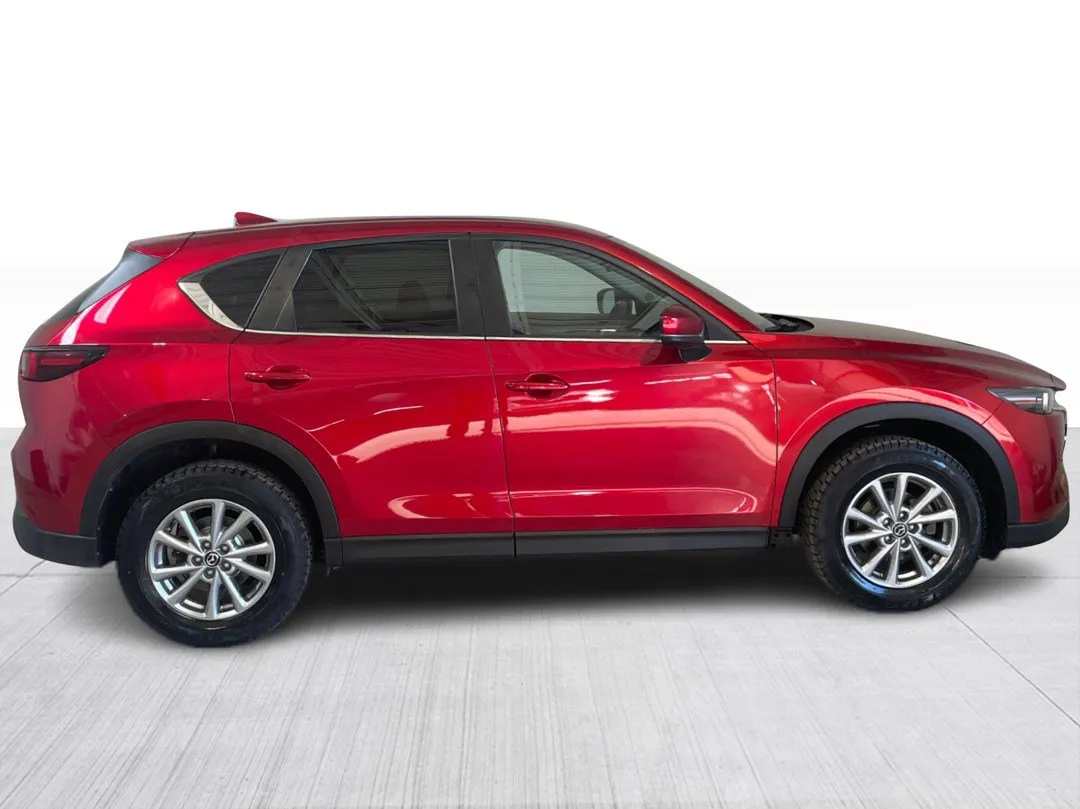
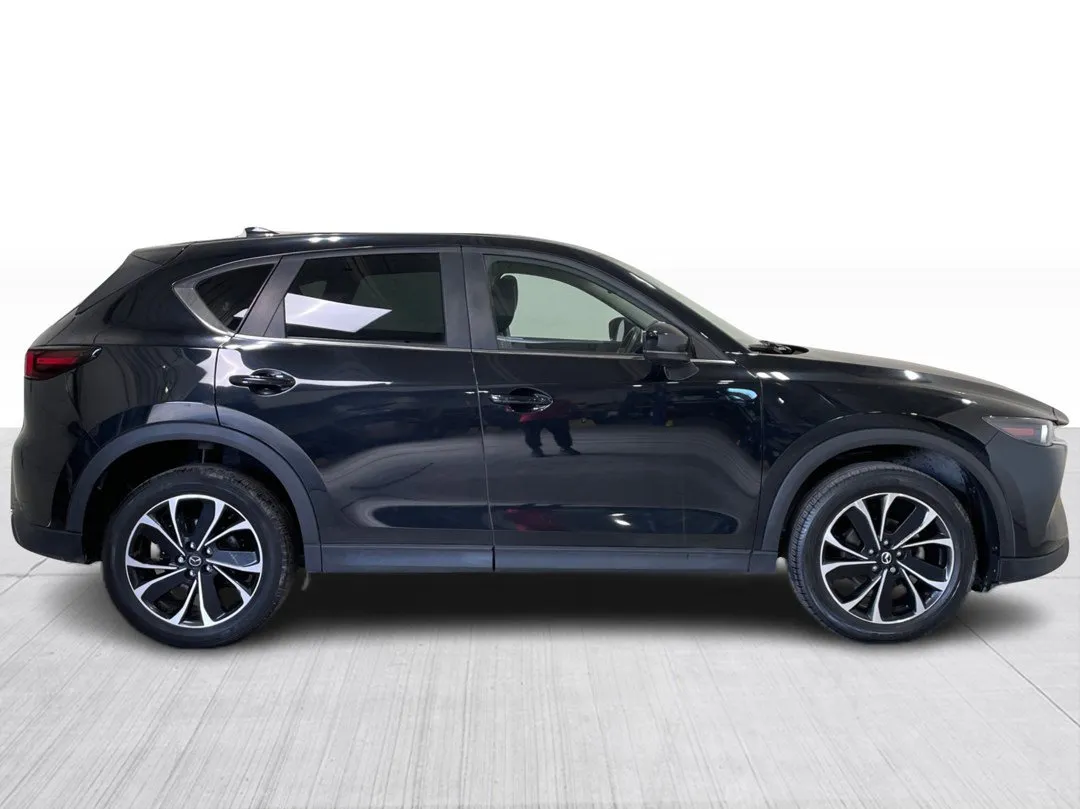
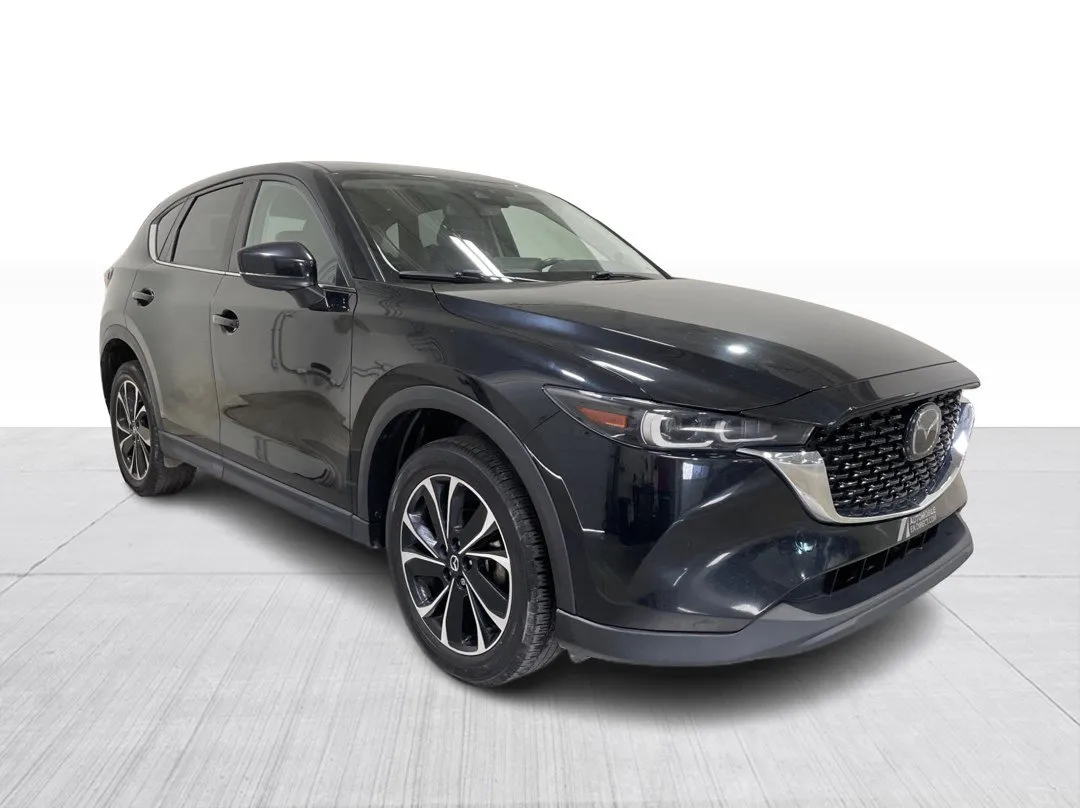
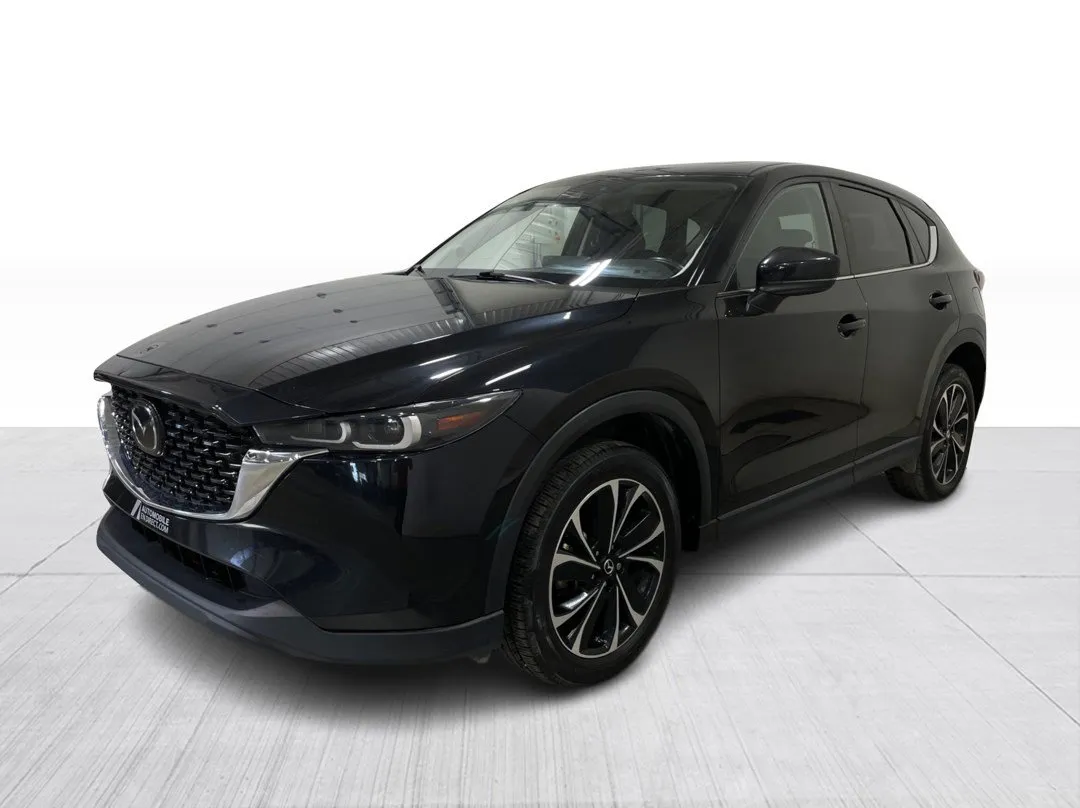
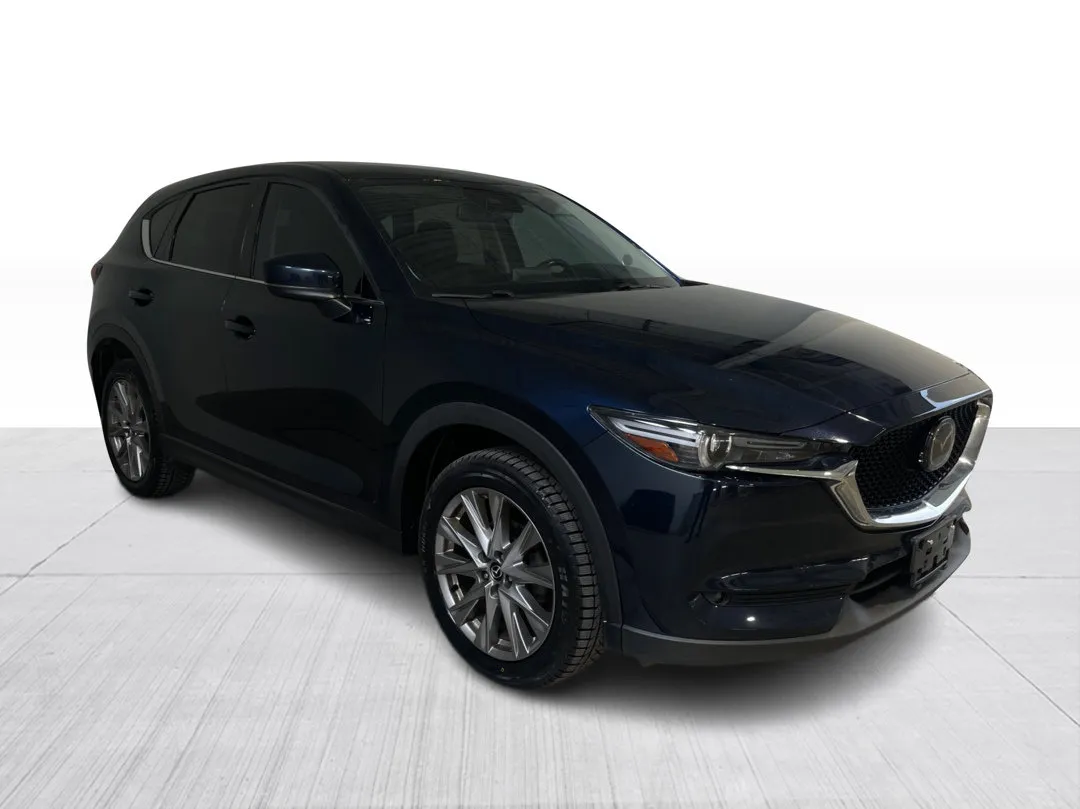
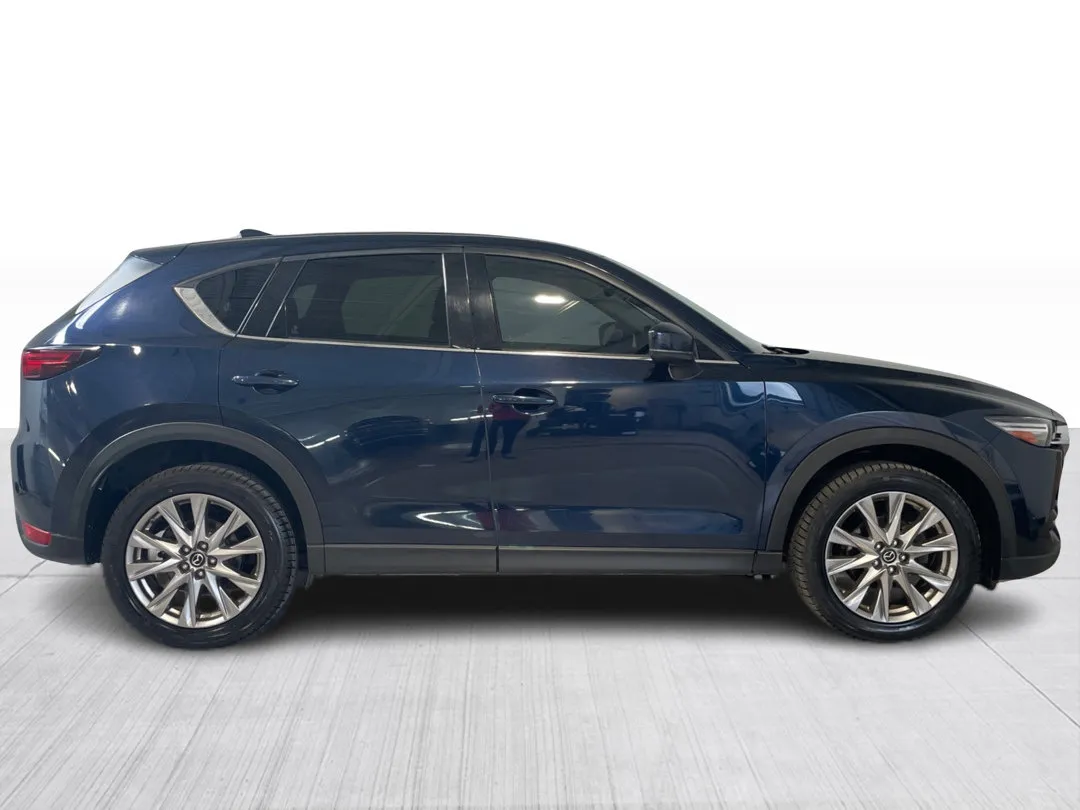
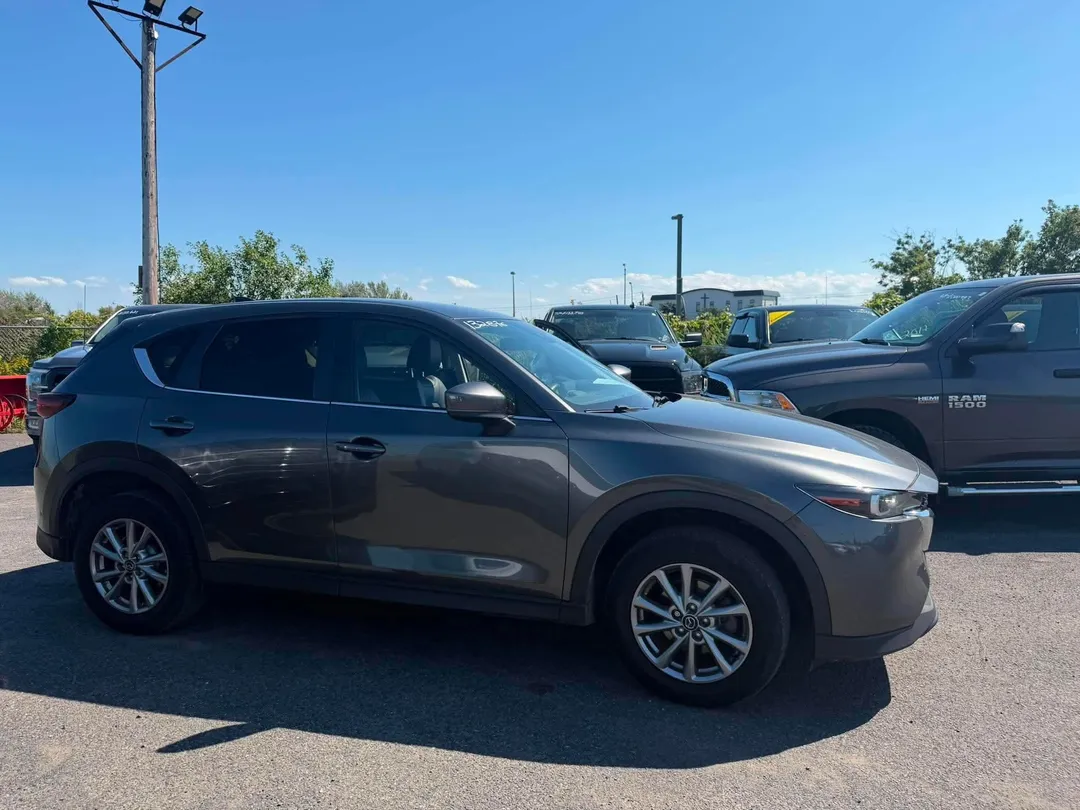
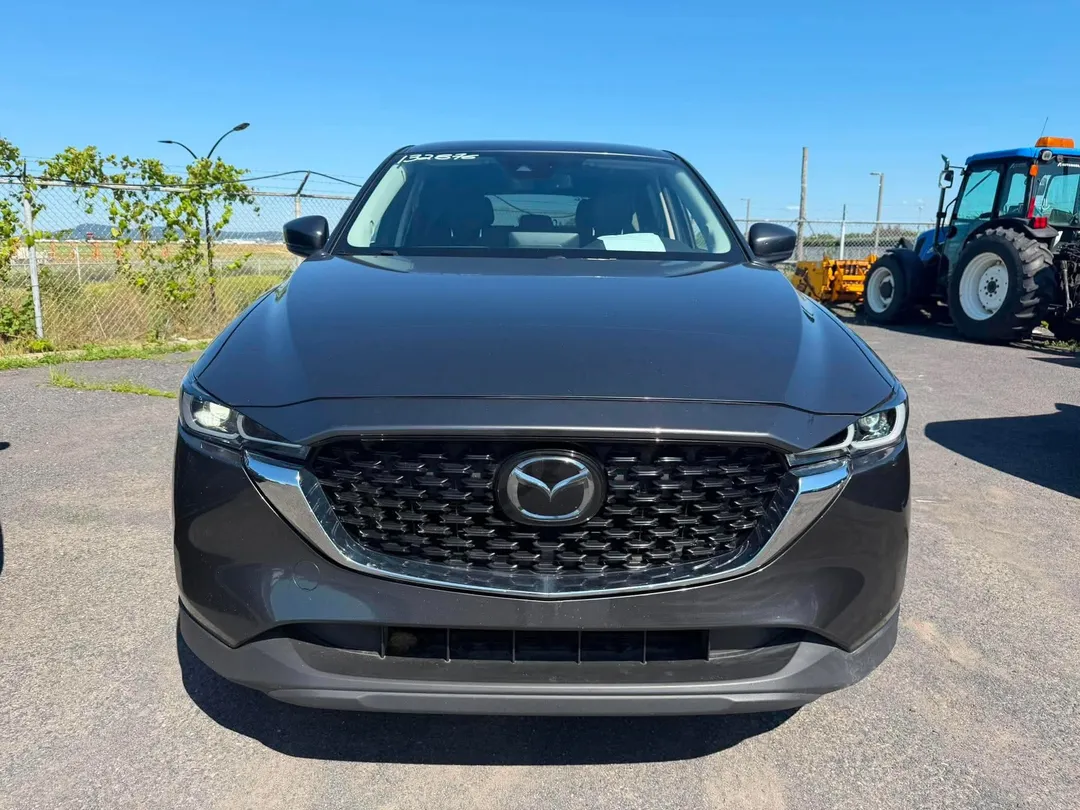
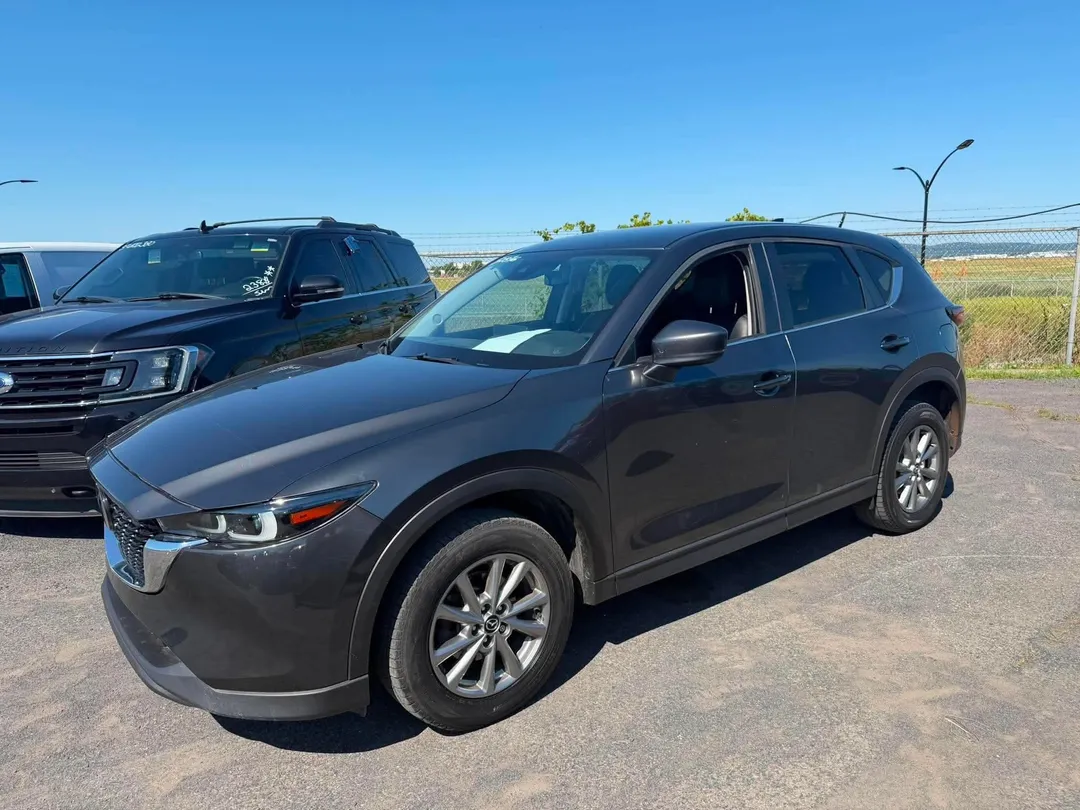
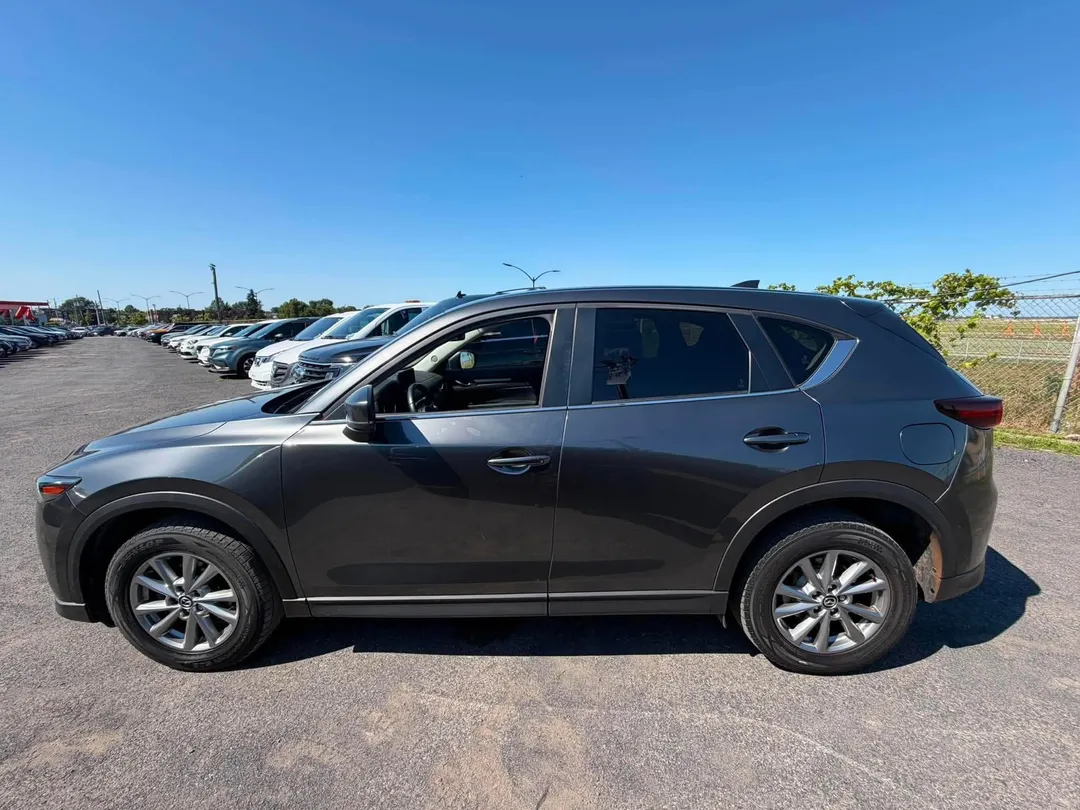
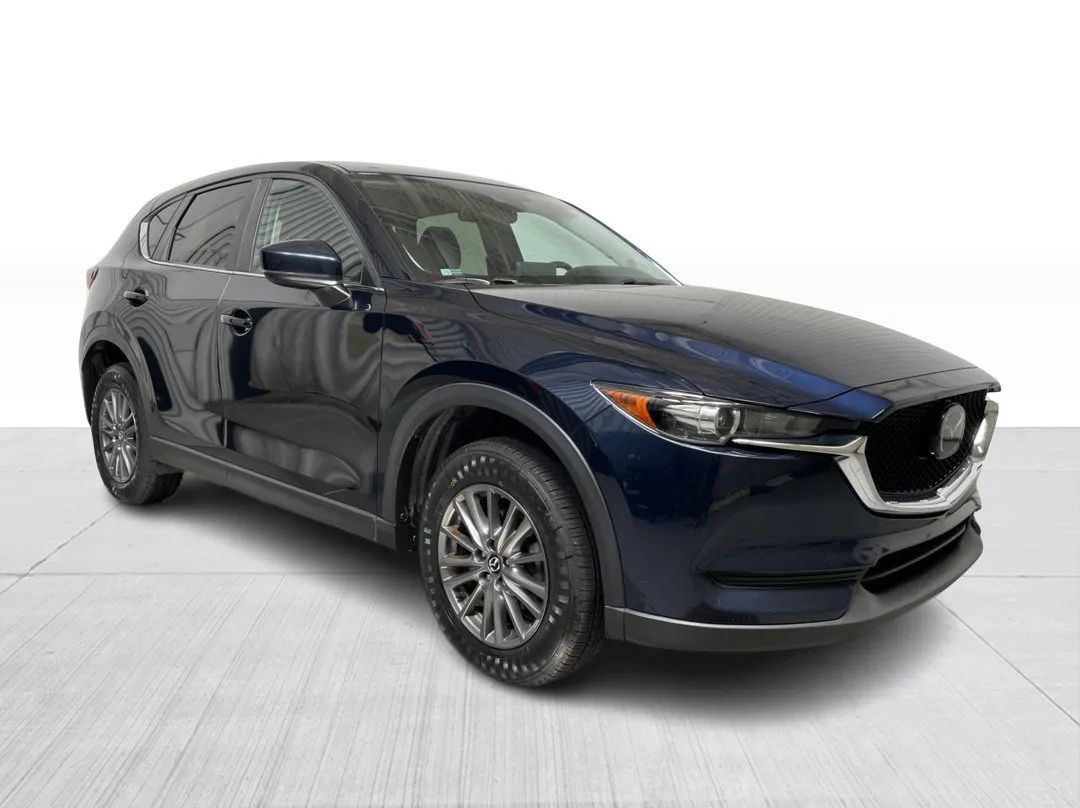
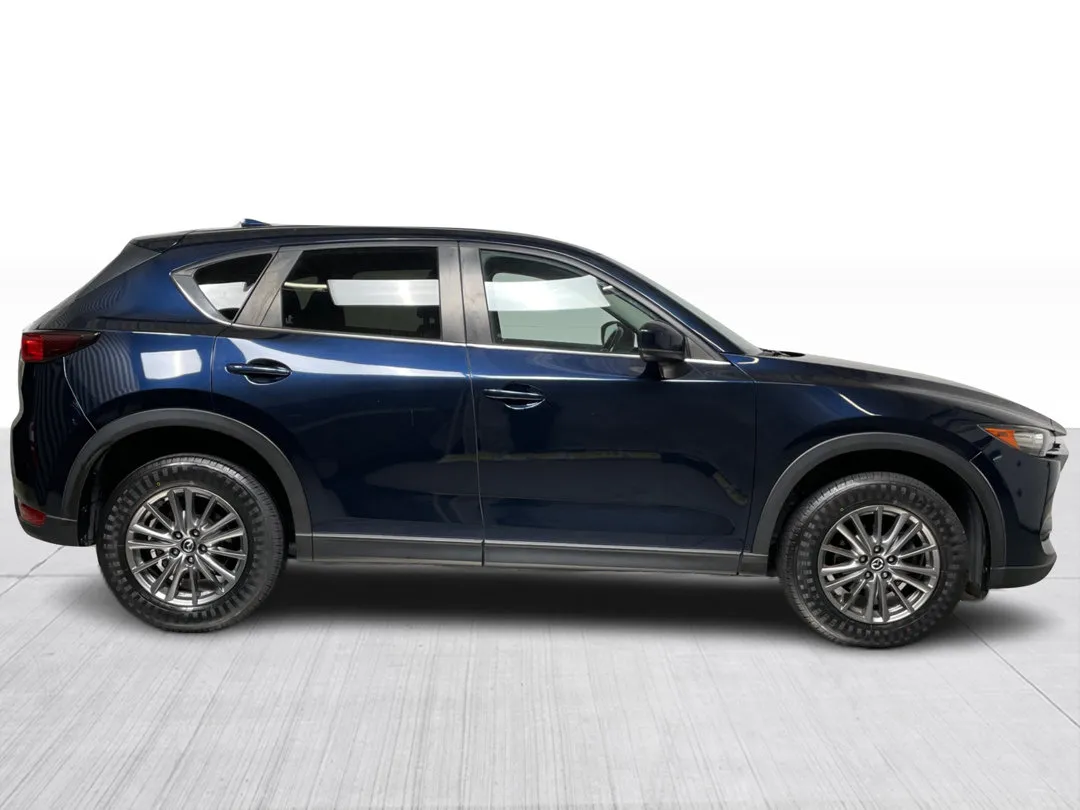
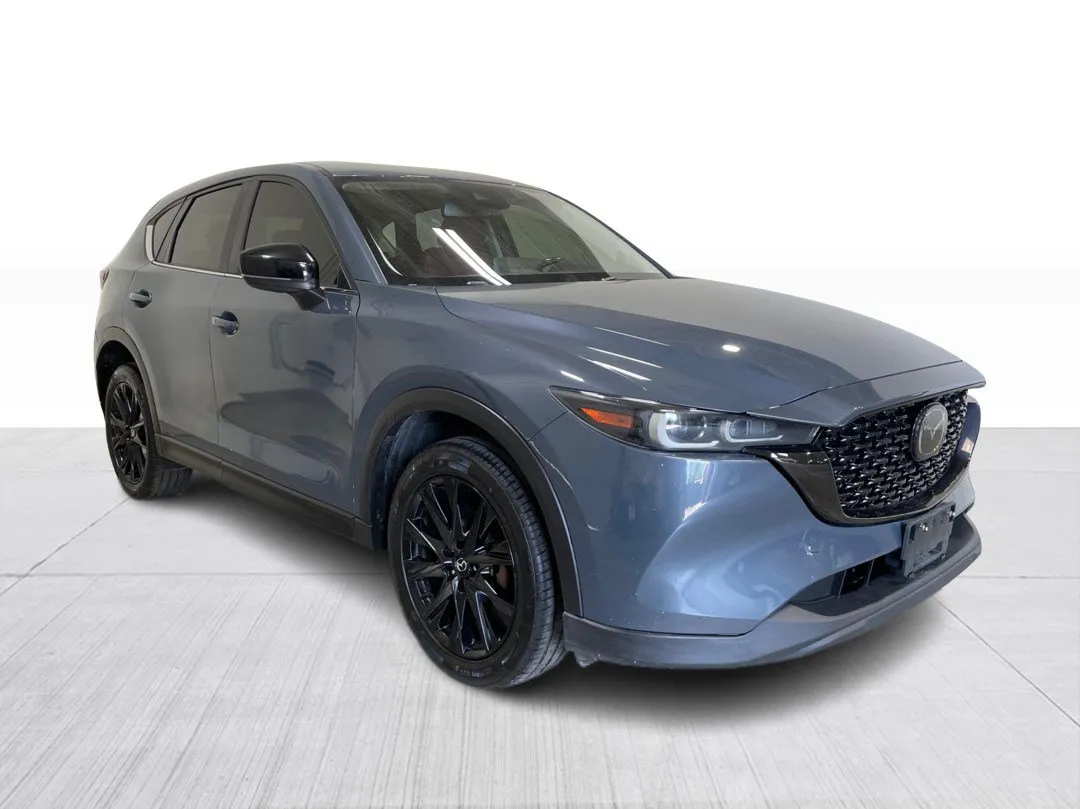
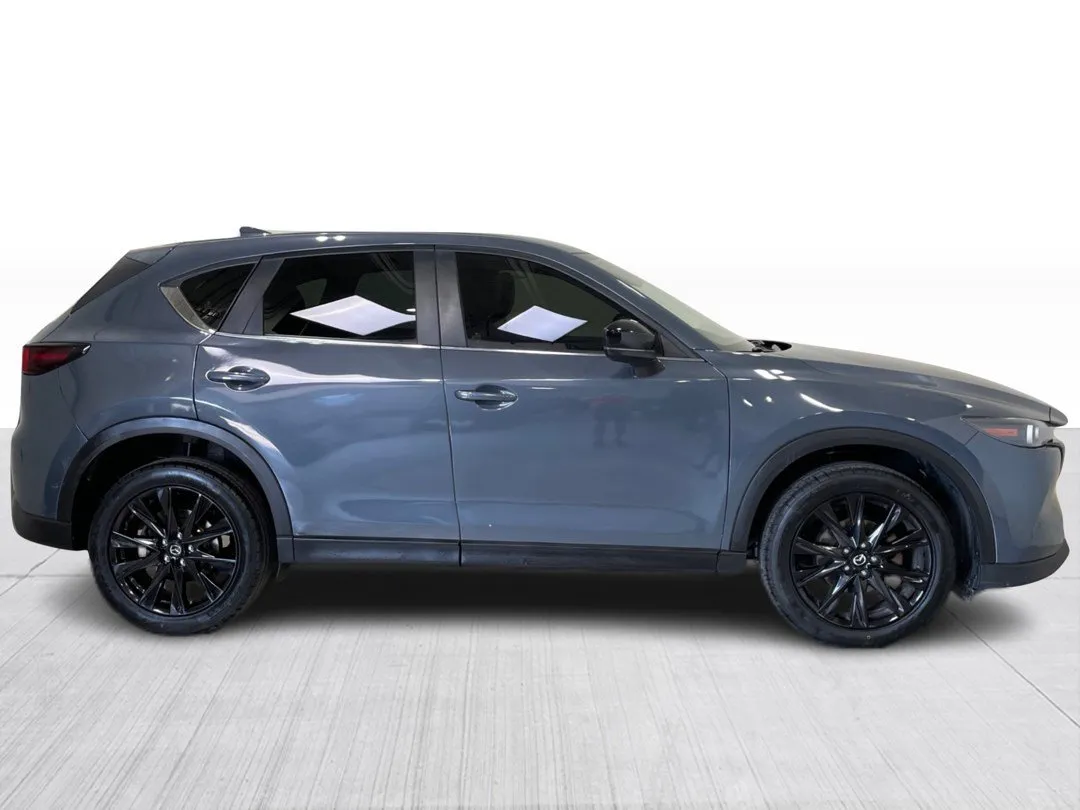
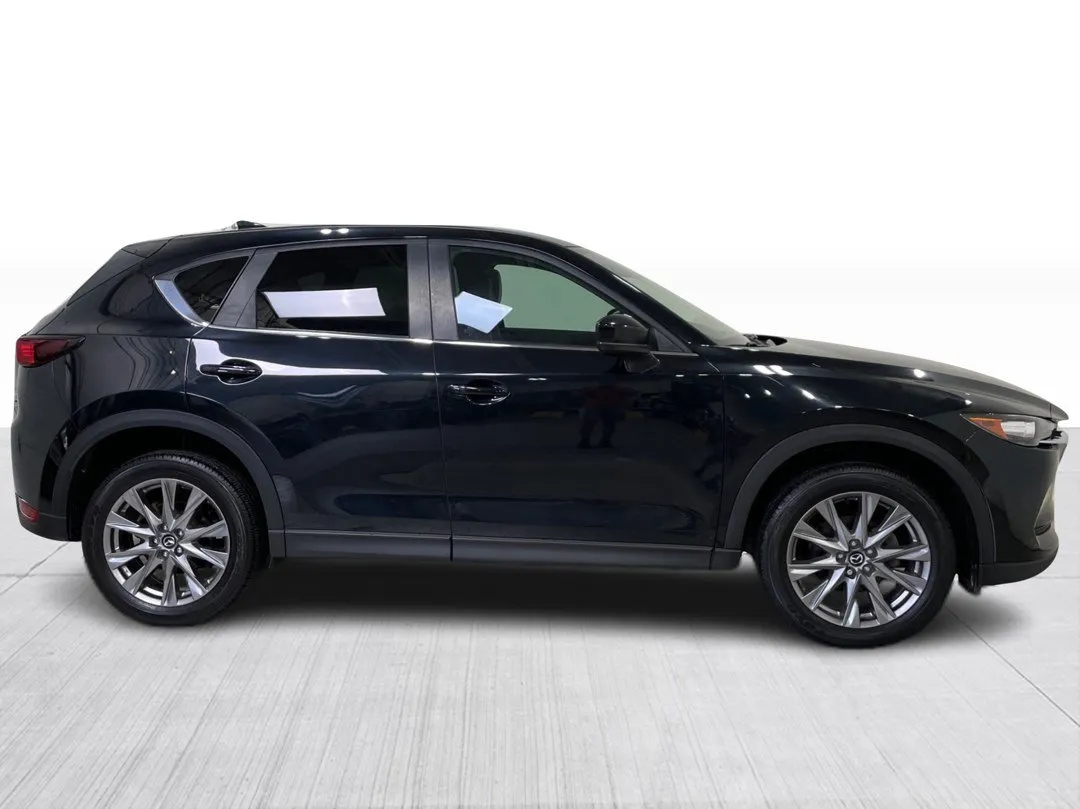
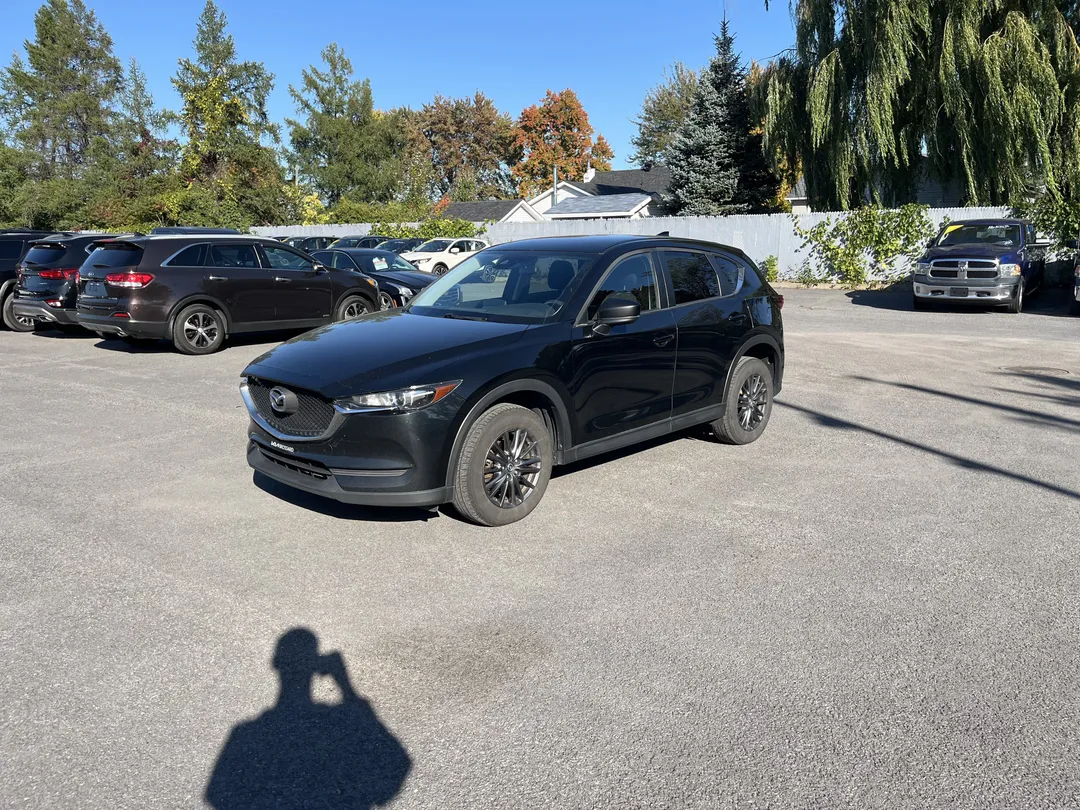
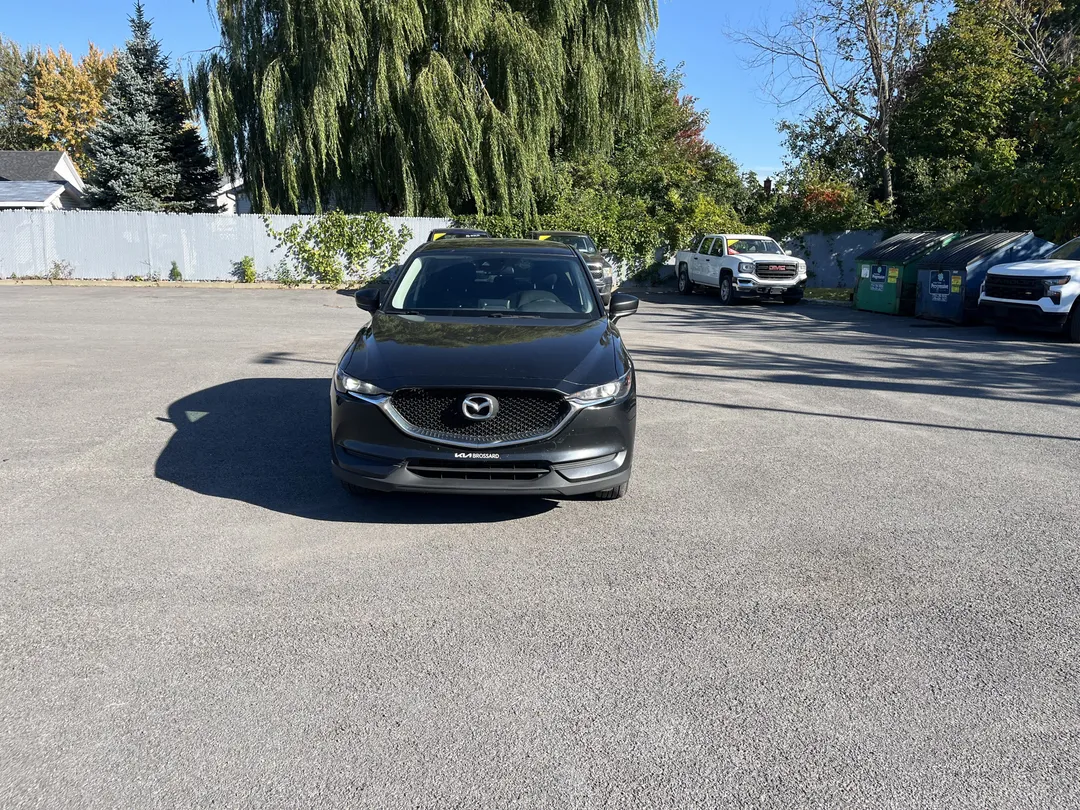
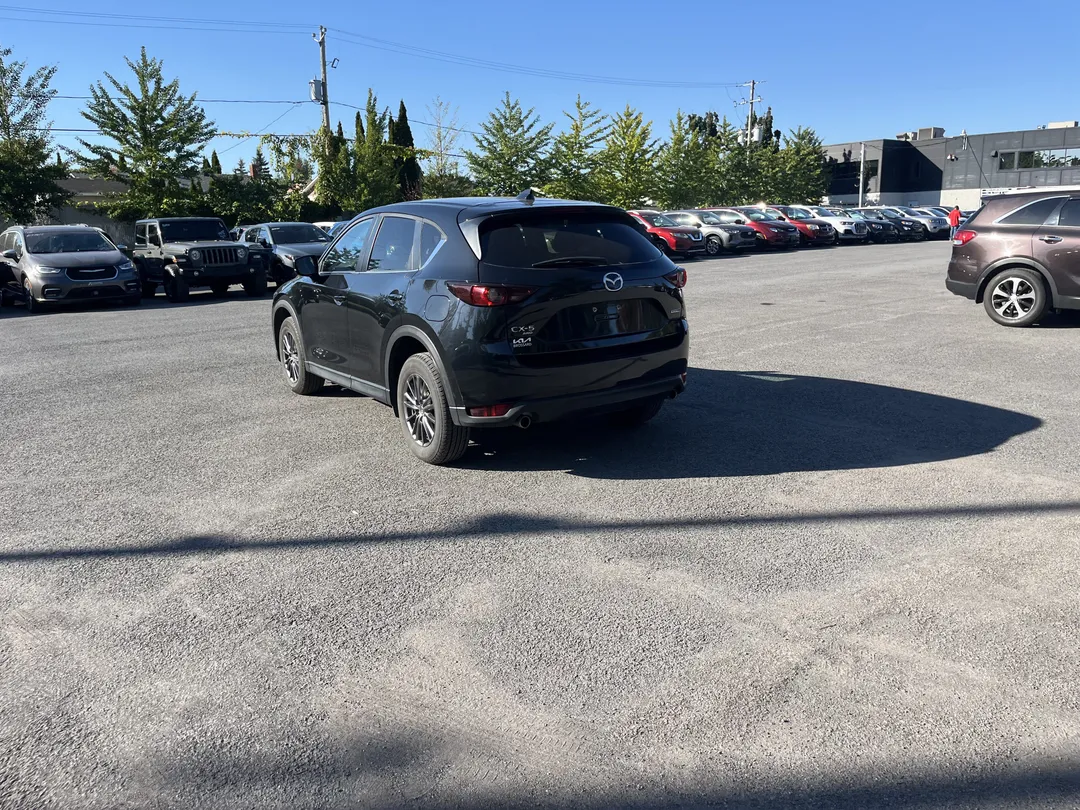
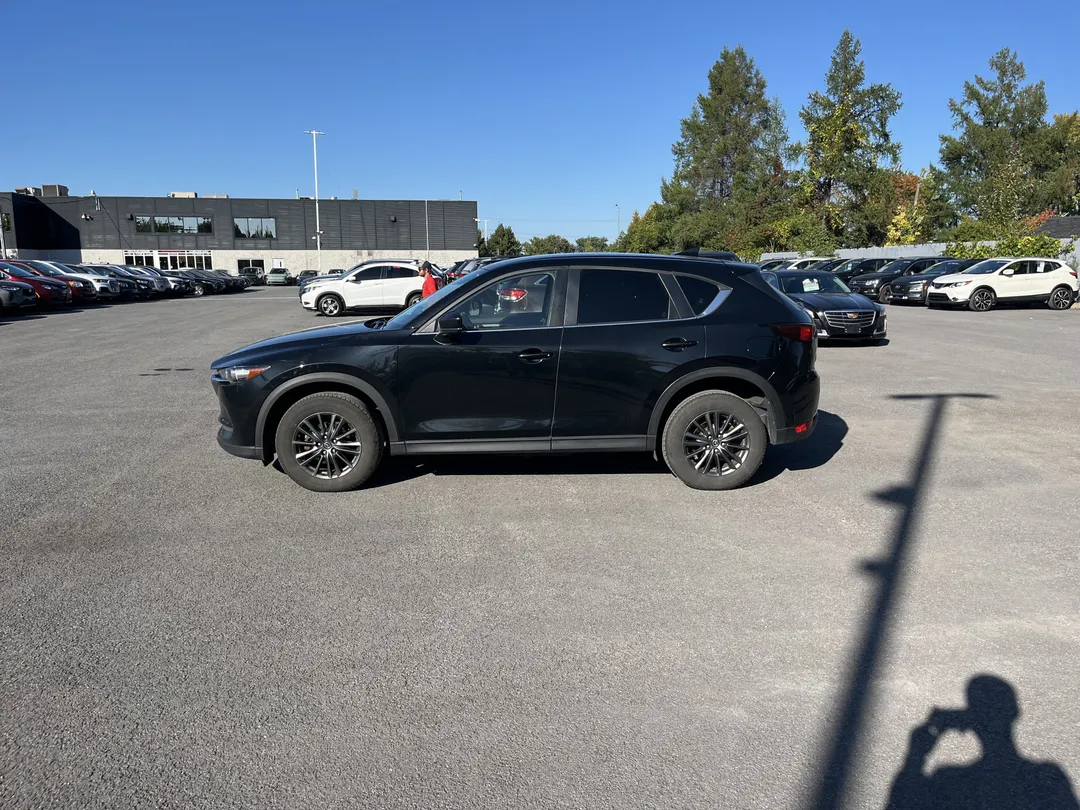
The Mazda CX-5 is more compact and offers approximately 875 L of cargo space behind the rear seats.
What Safety Technologies Are Available?
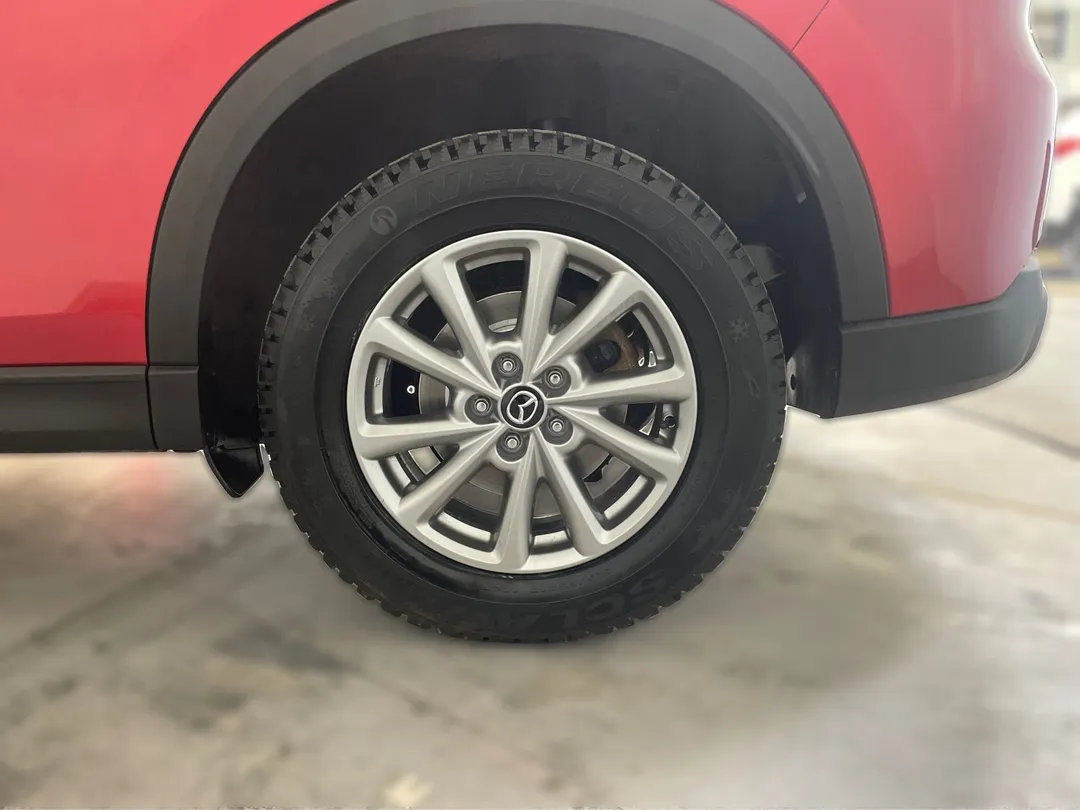
Several versions of the Tucson and CX-5 offer lane-departure warning, rear cross-traffic alert, and a surround-view camera system for parking. Traction control and all-wheel drive improve handling on slippery roads, making them especially useful during Ontario winters.
Navigation, Bluetooth connectivity, and upgraded audio systems are also available depending on the trim level.
What About Interior Comfort and Exterior Design?
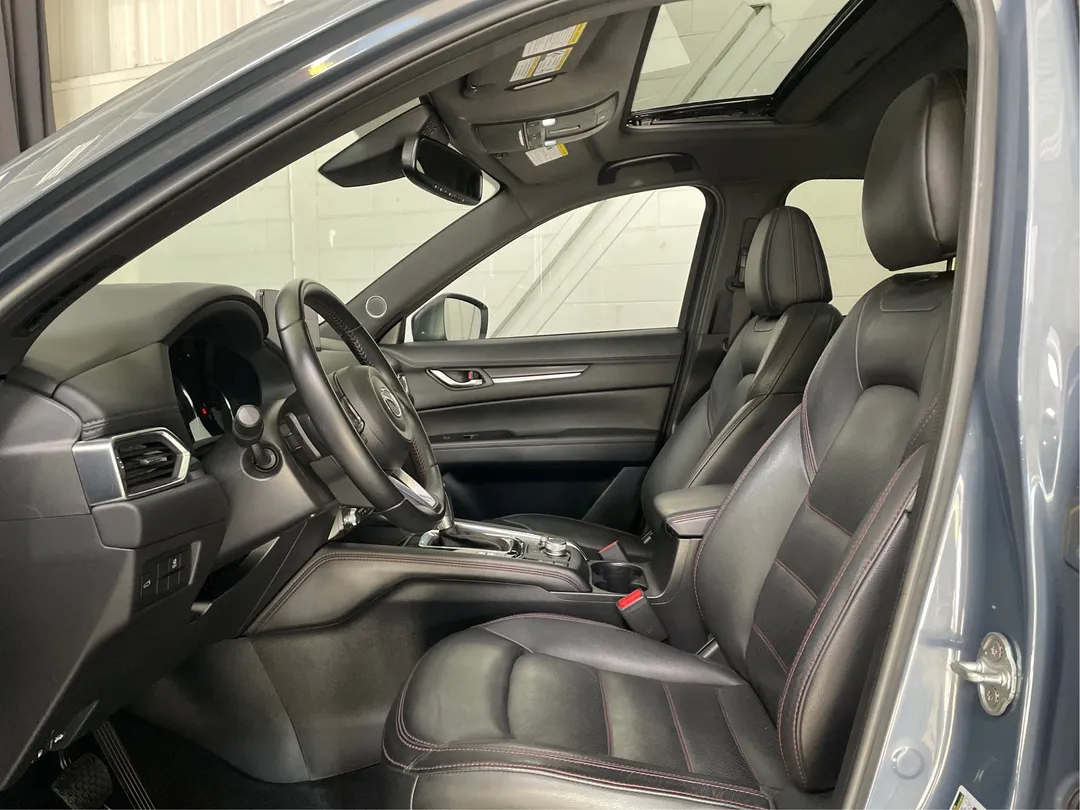
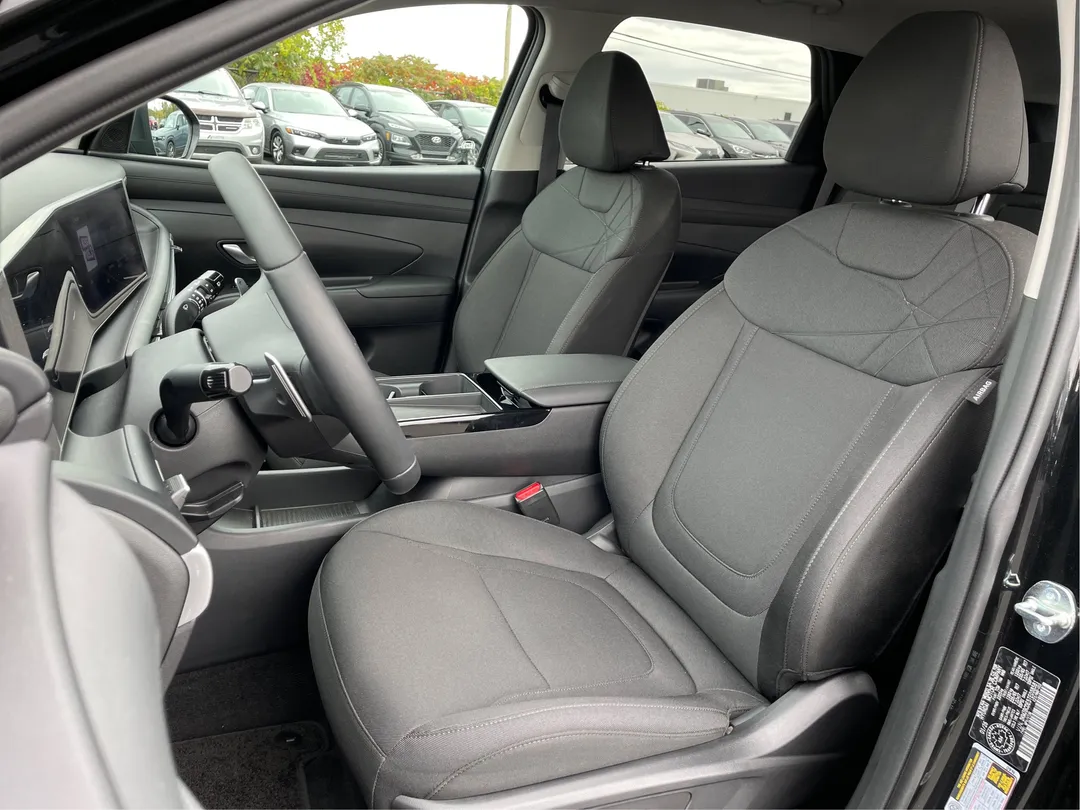
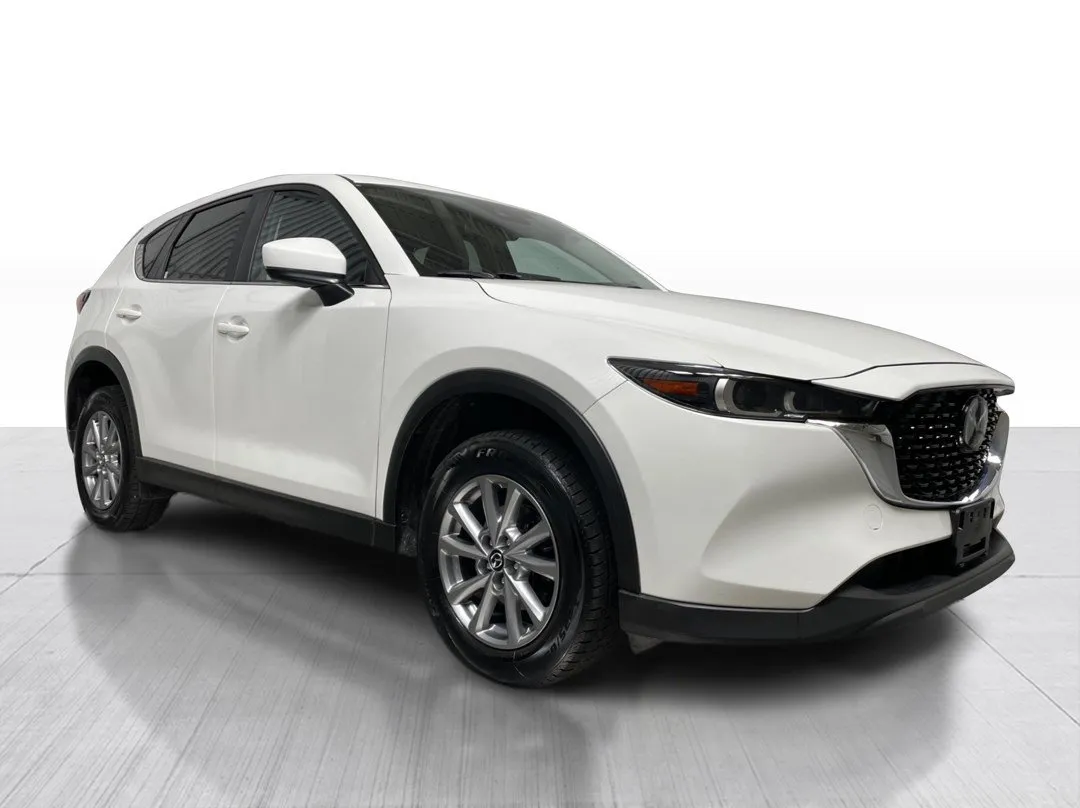
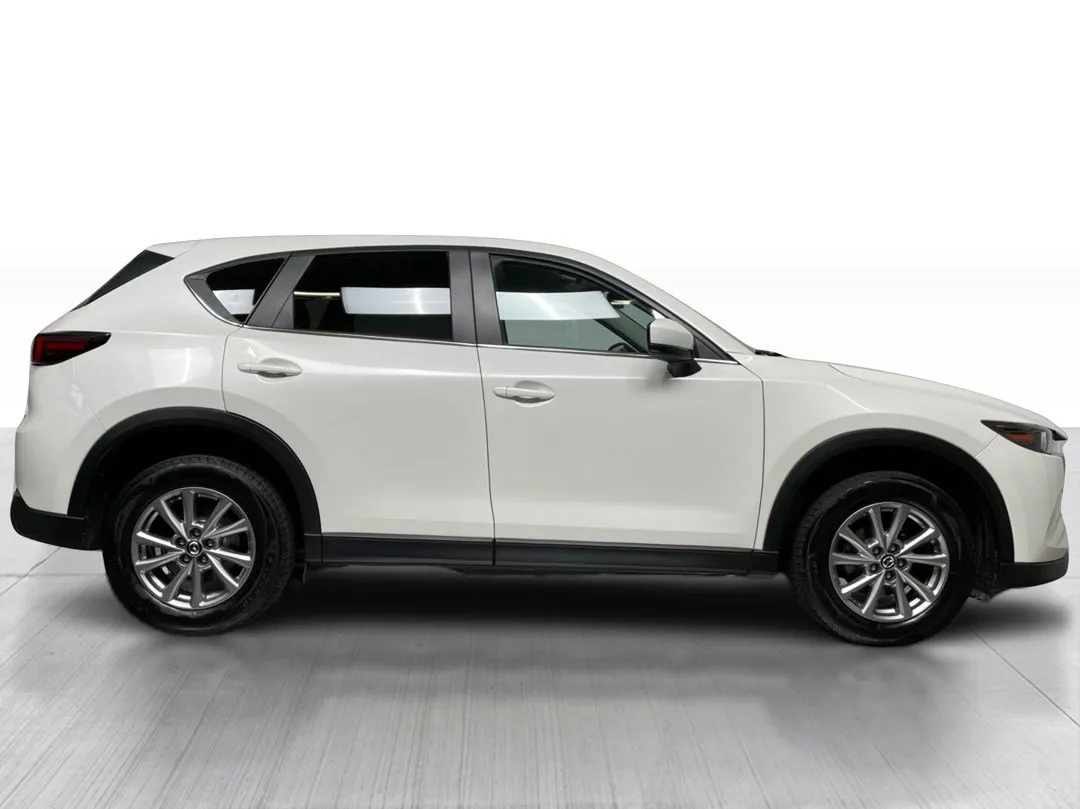
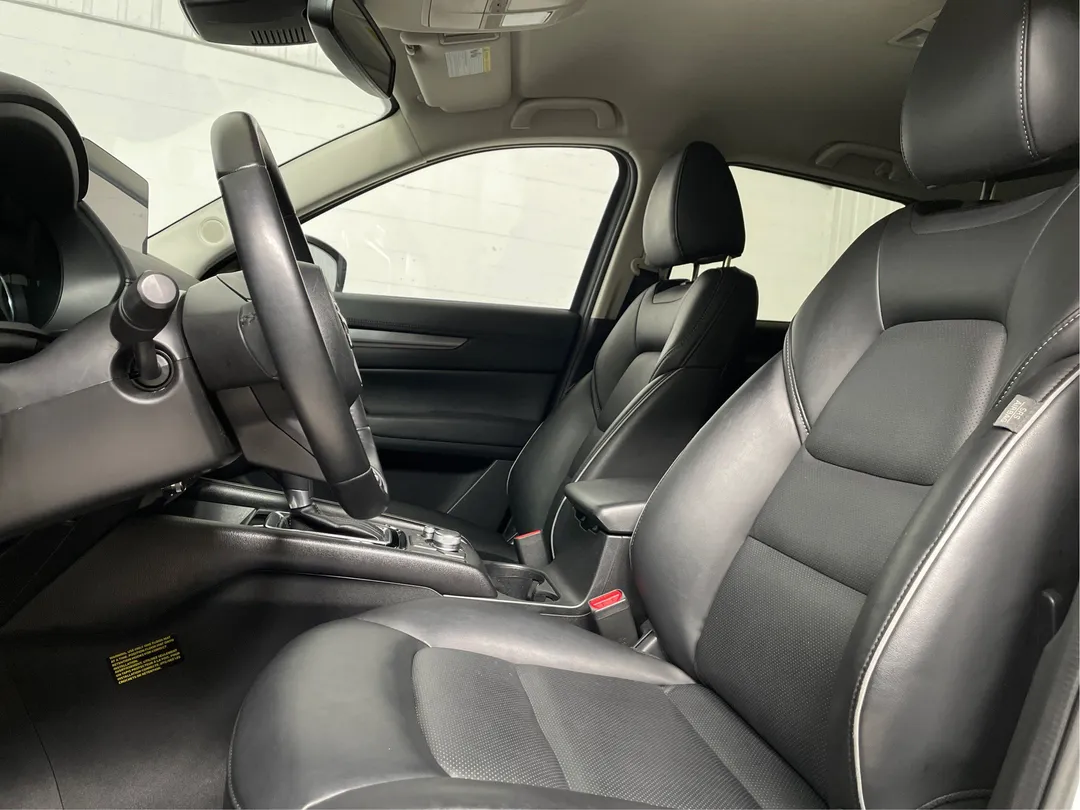
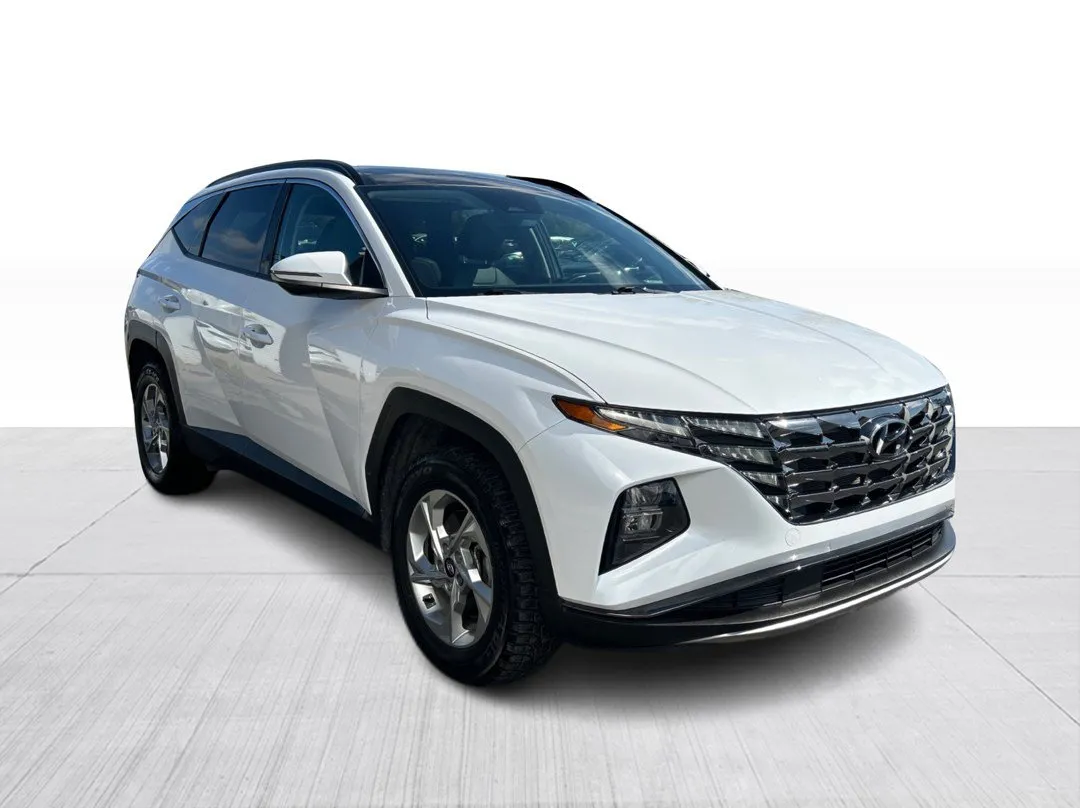
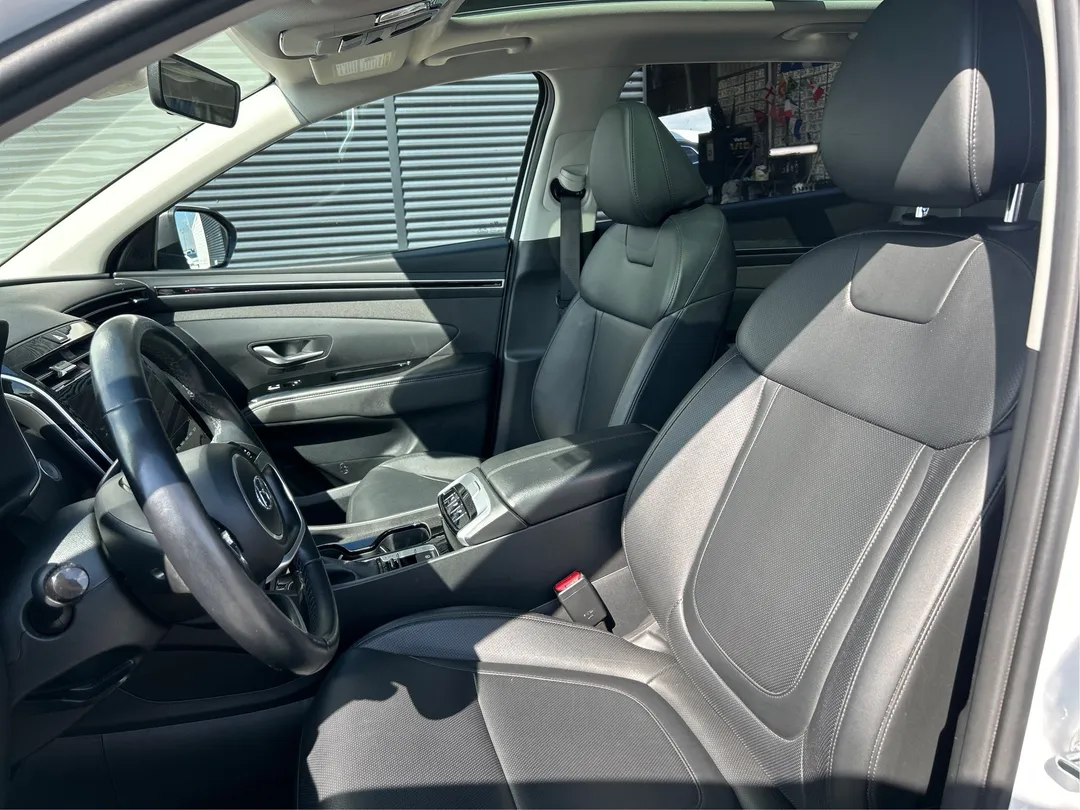
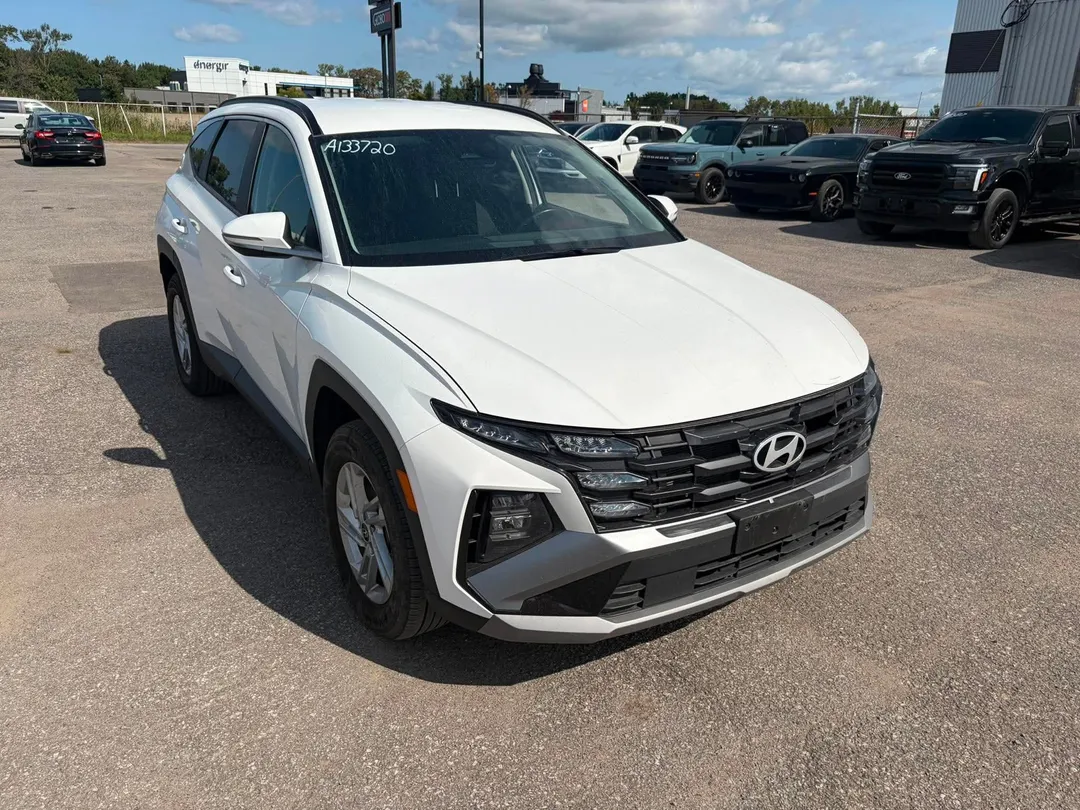
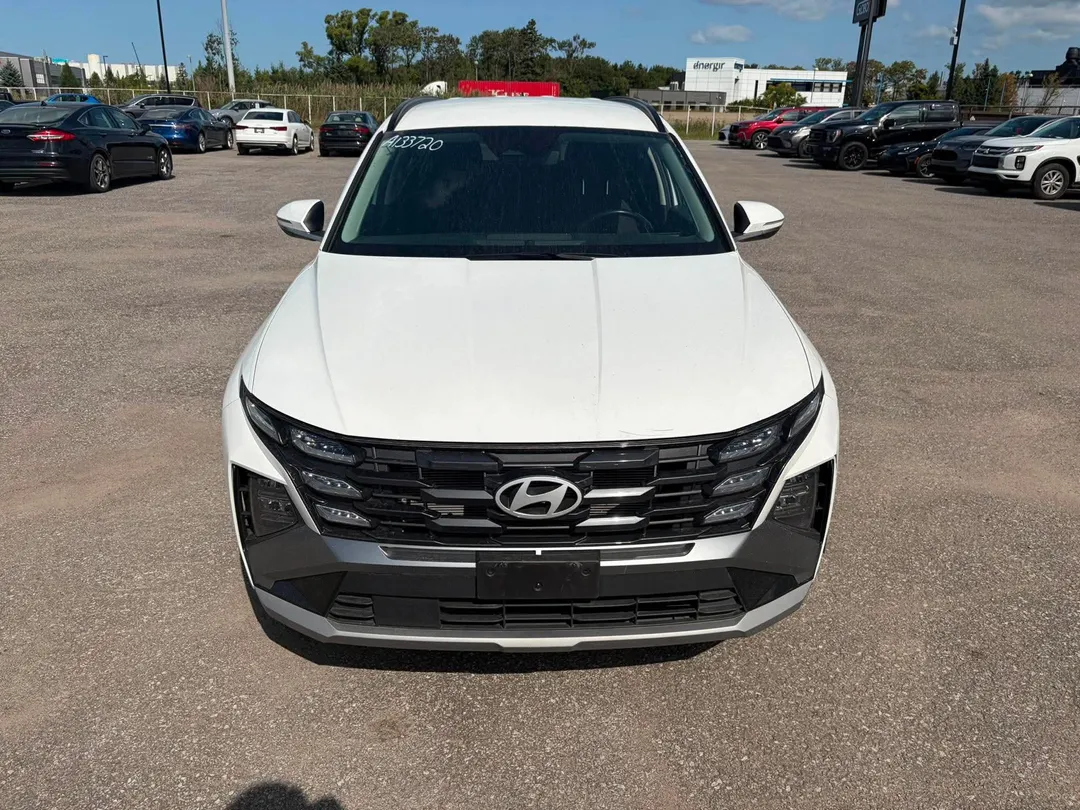
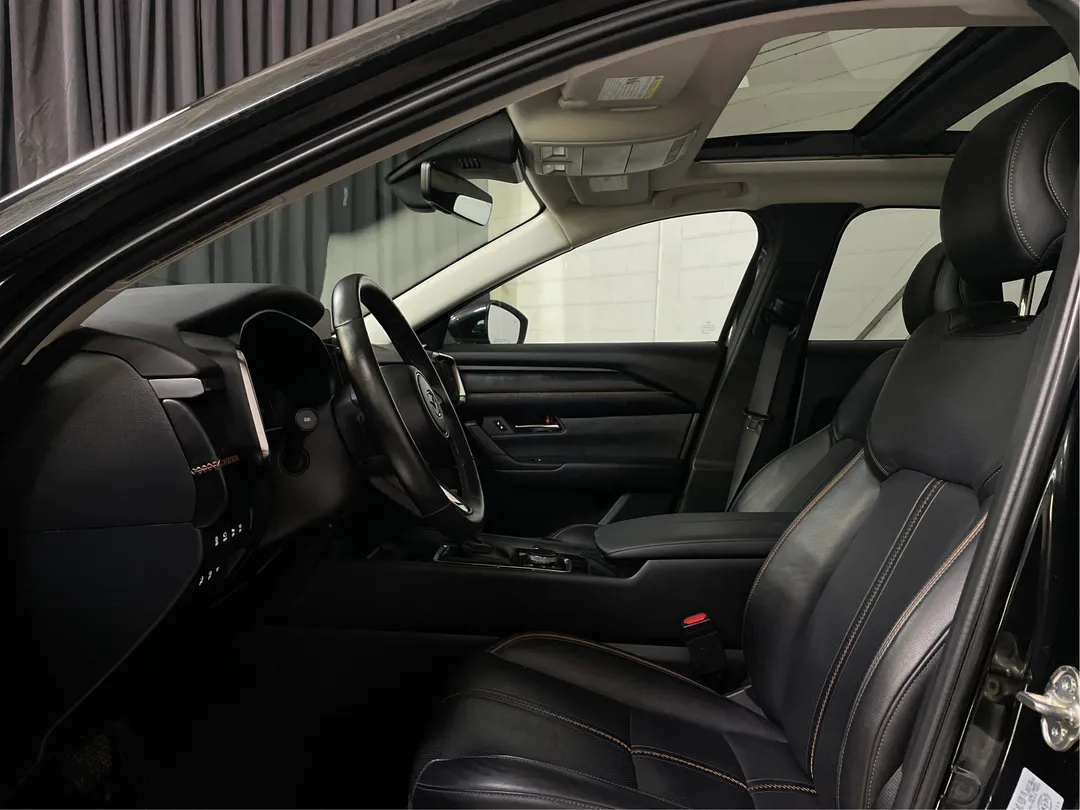
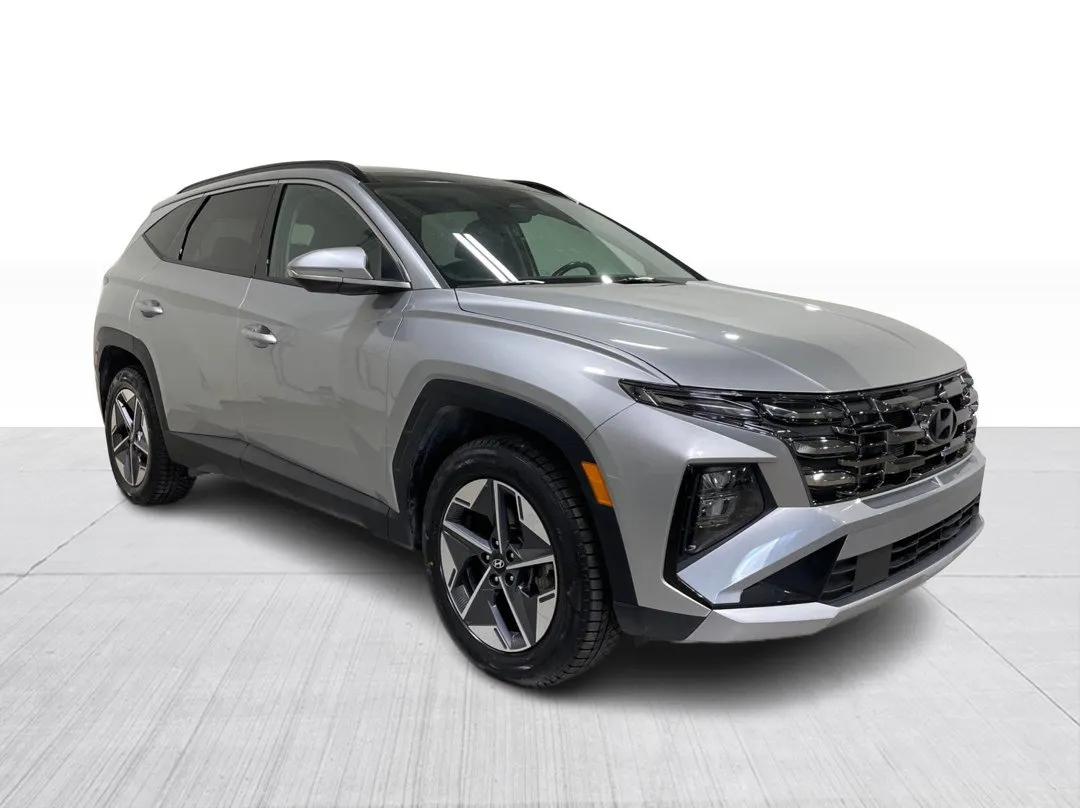
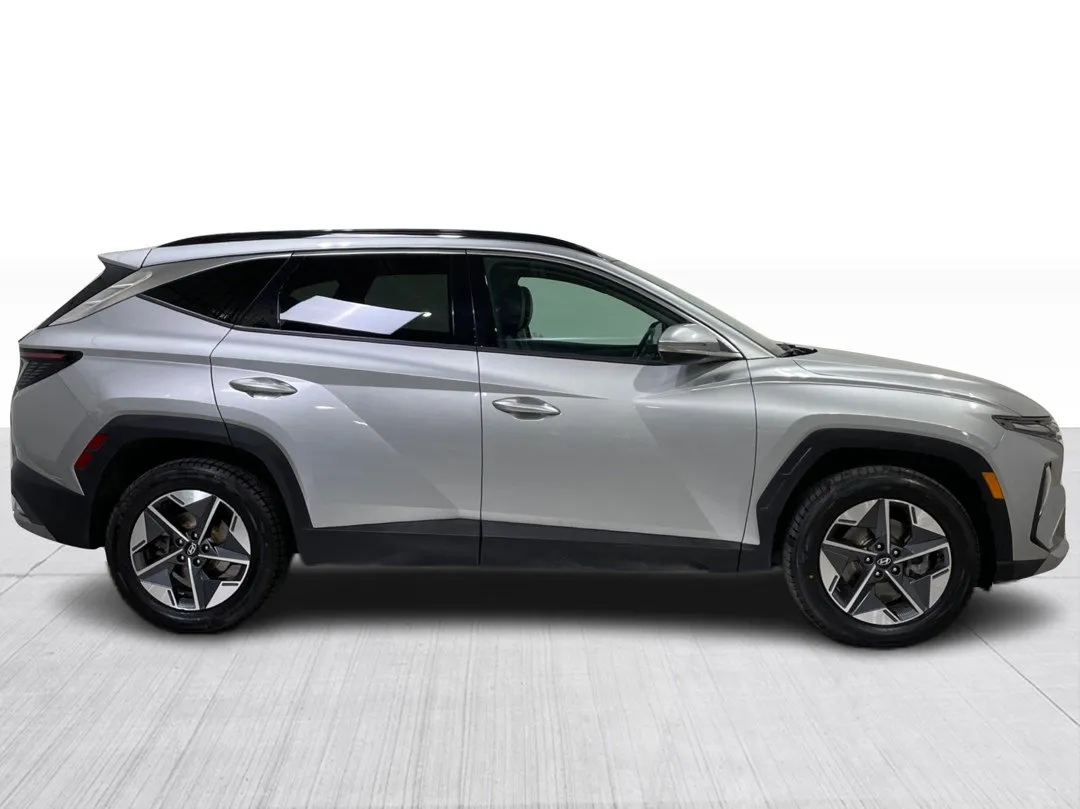
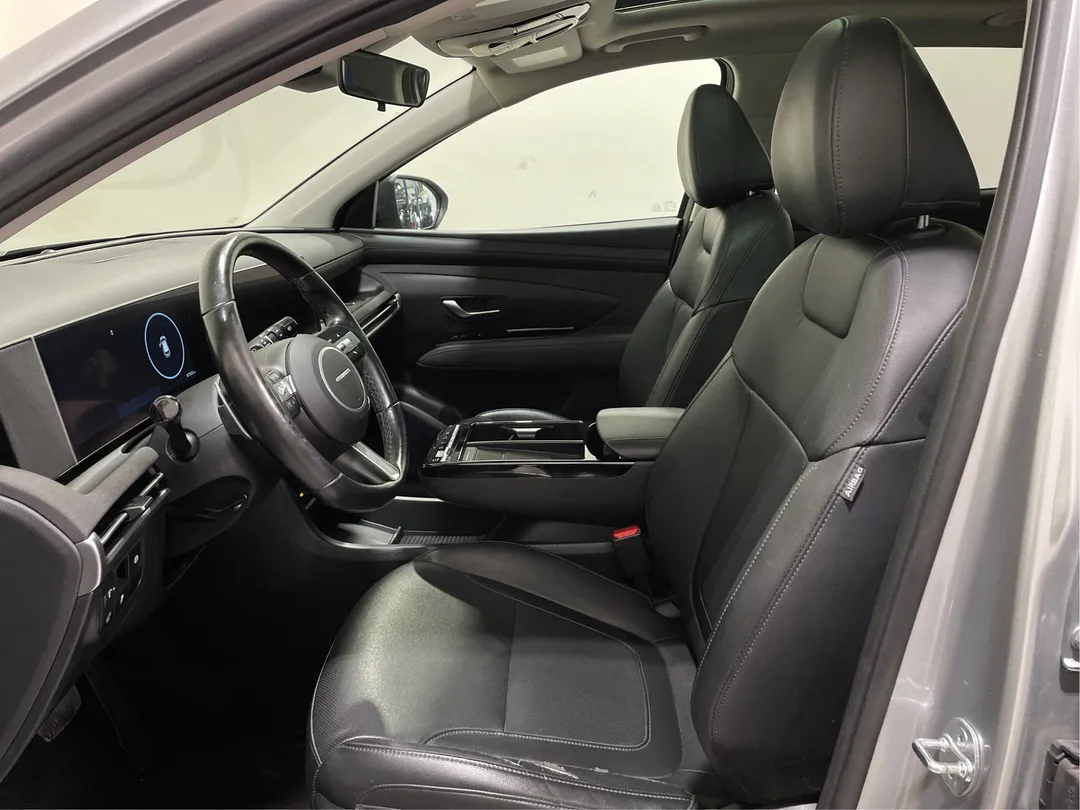
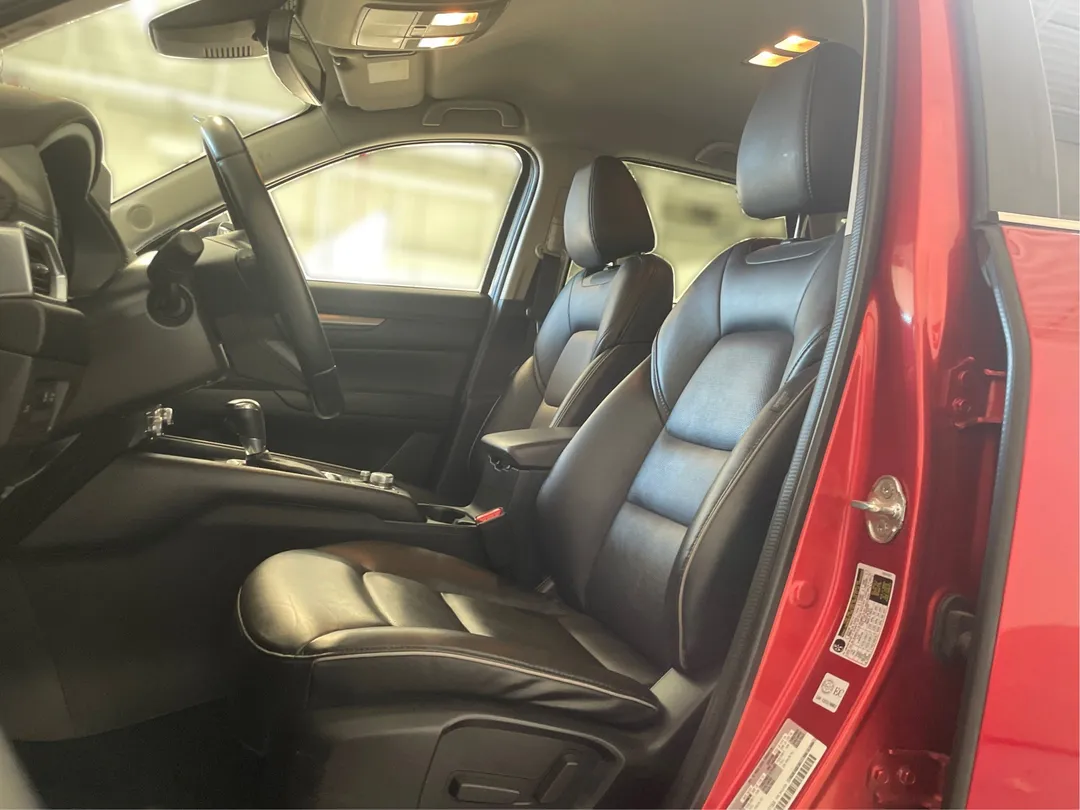
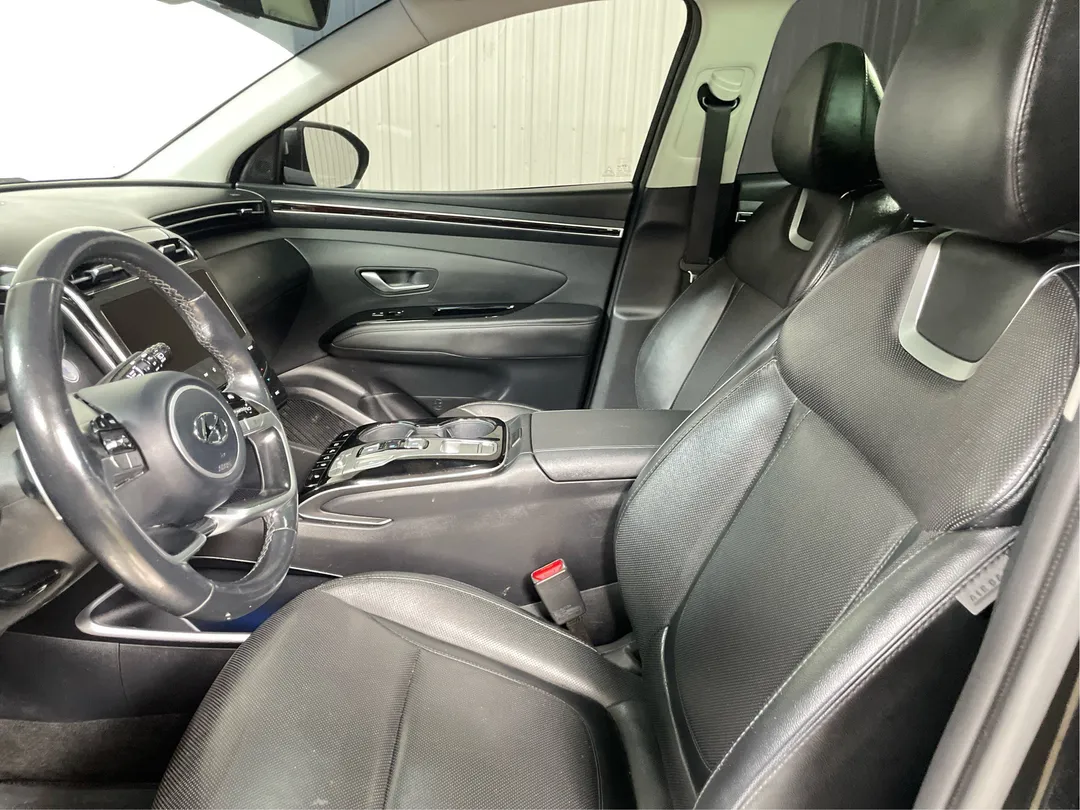
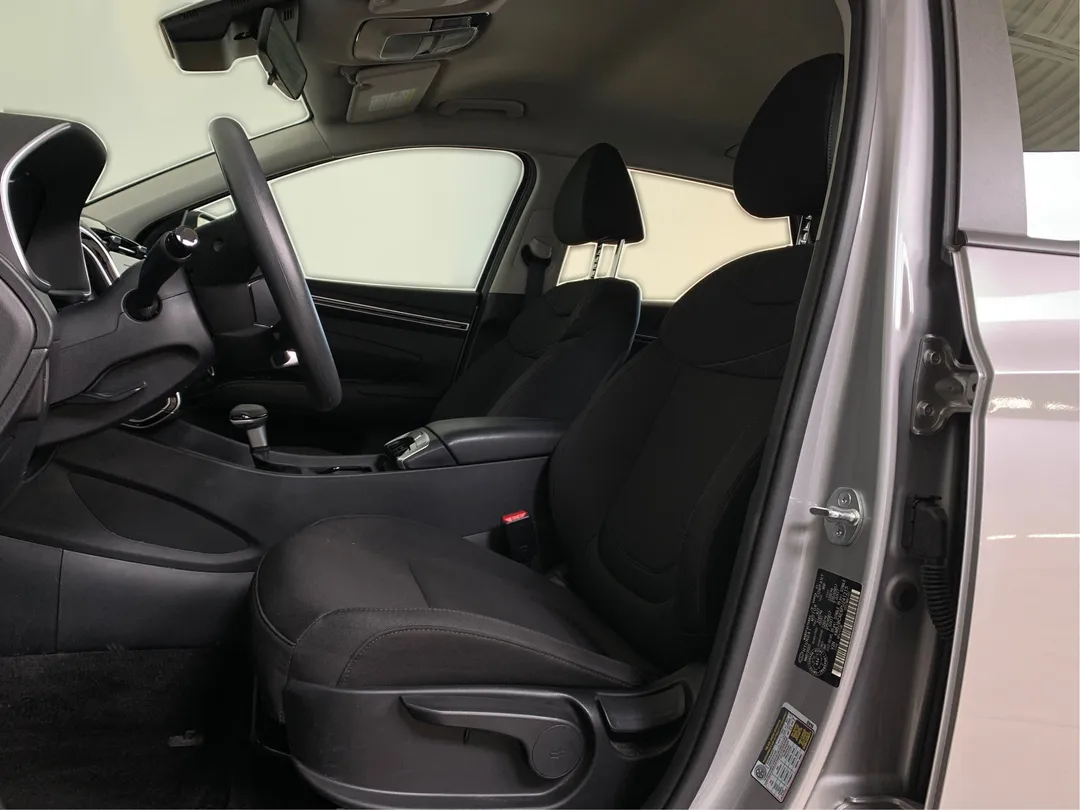
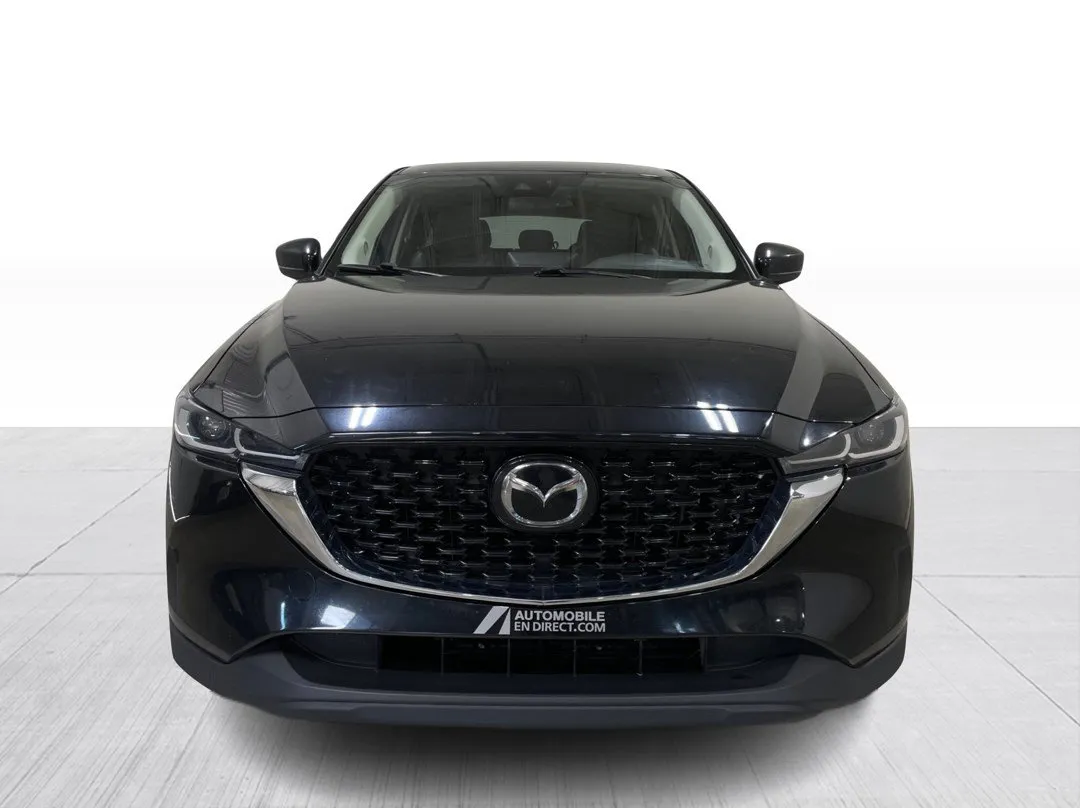
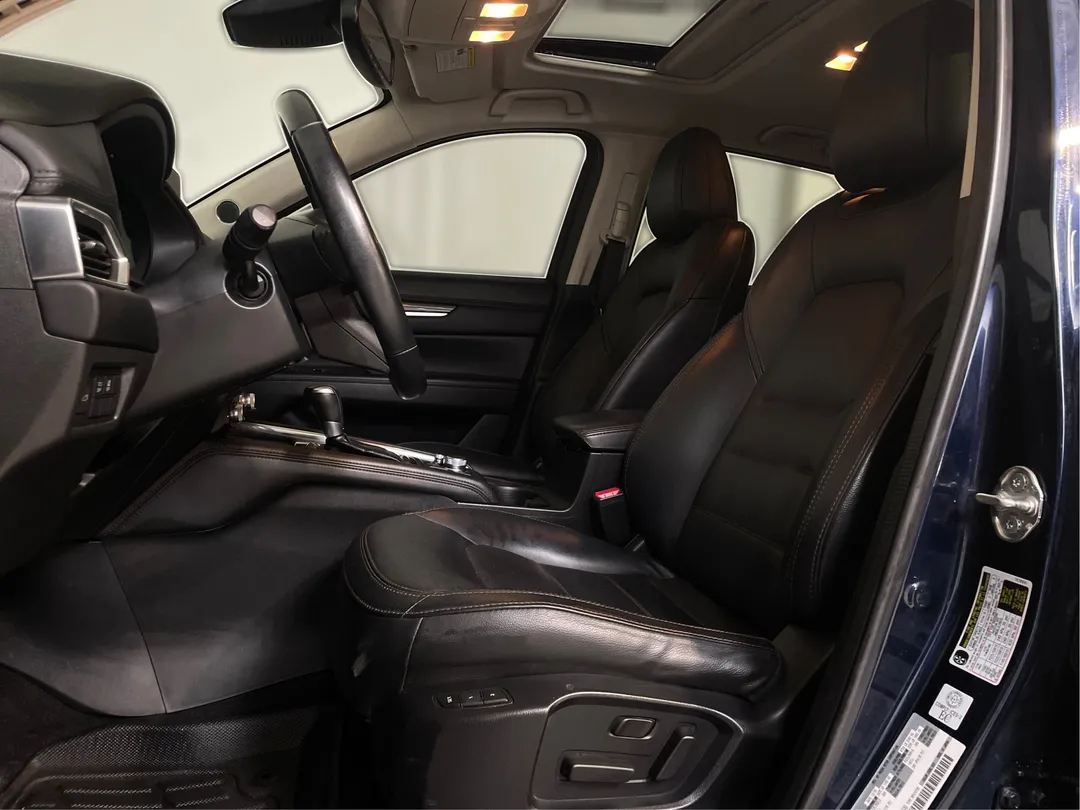
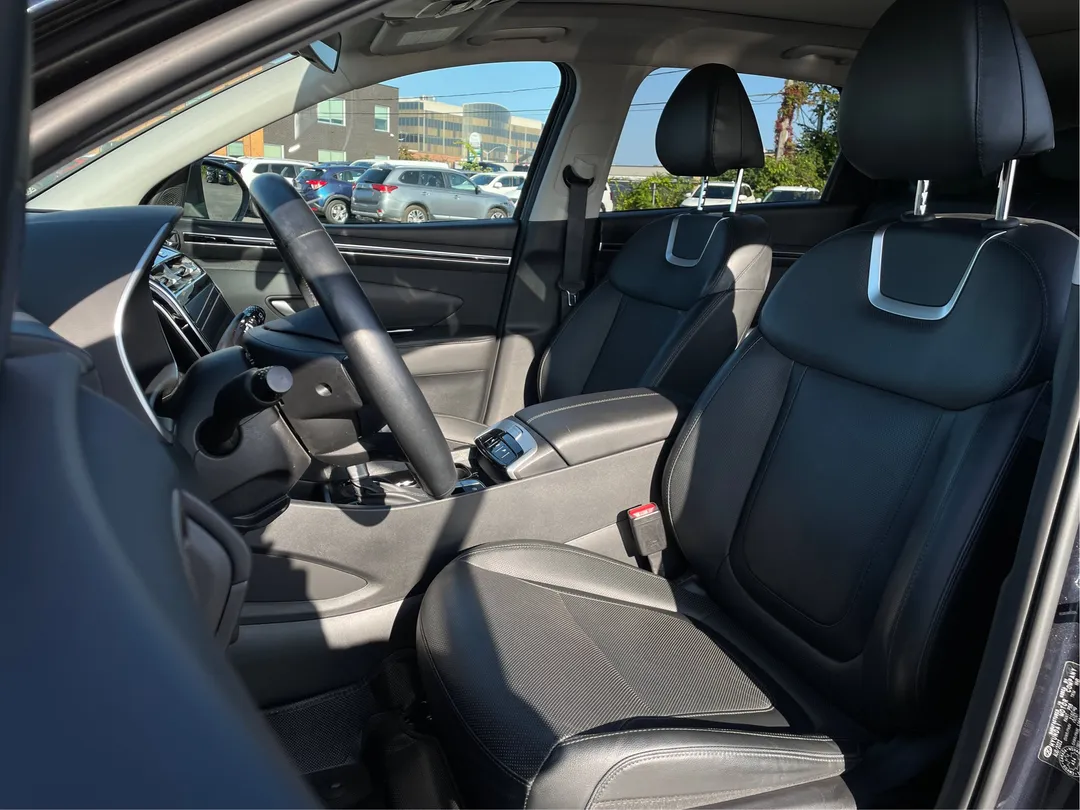
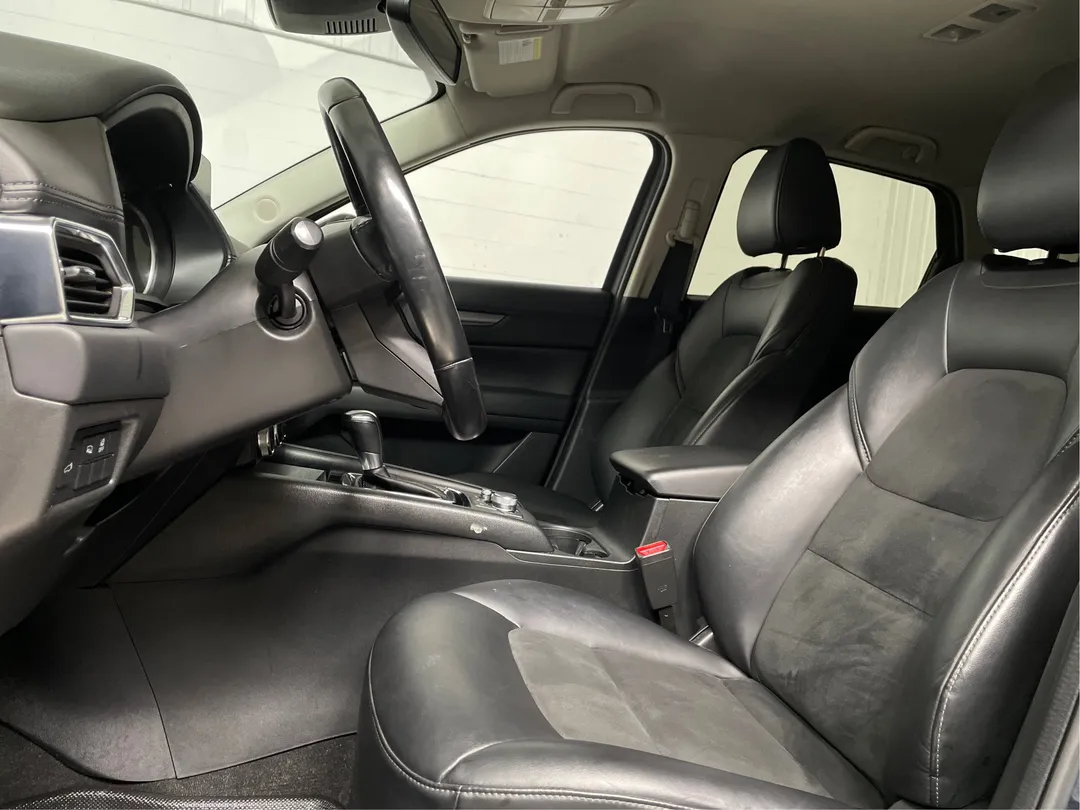
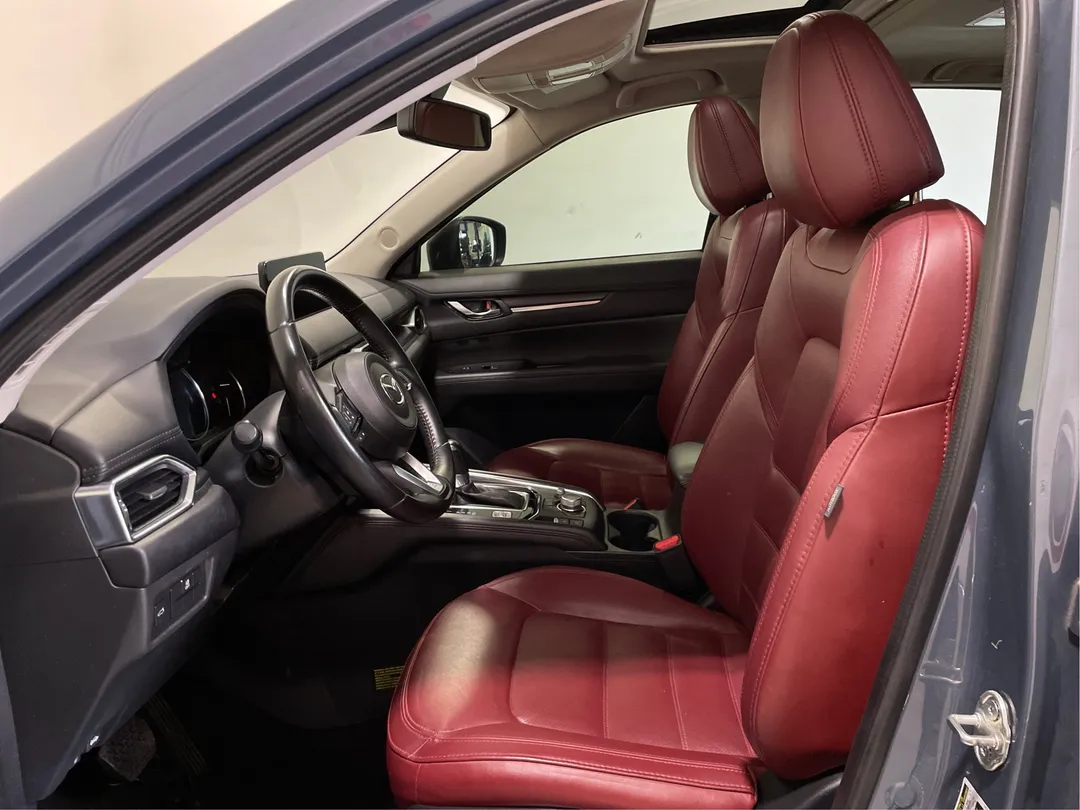
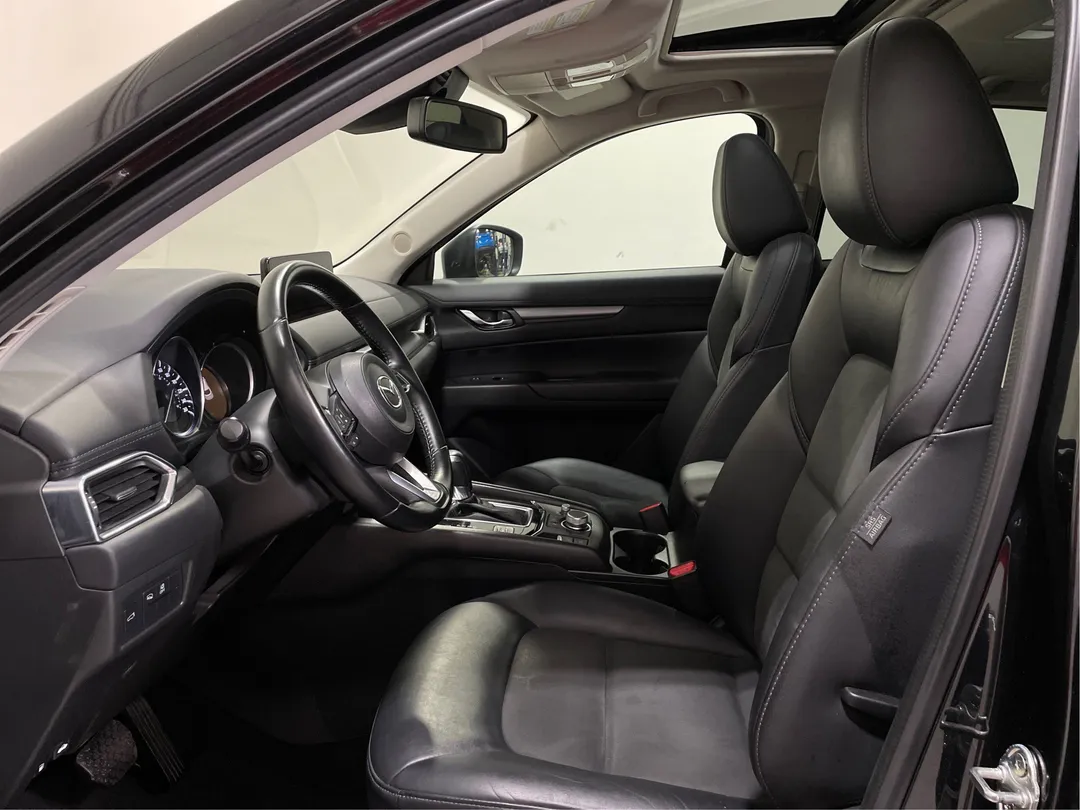
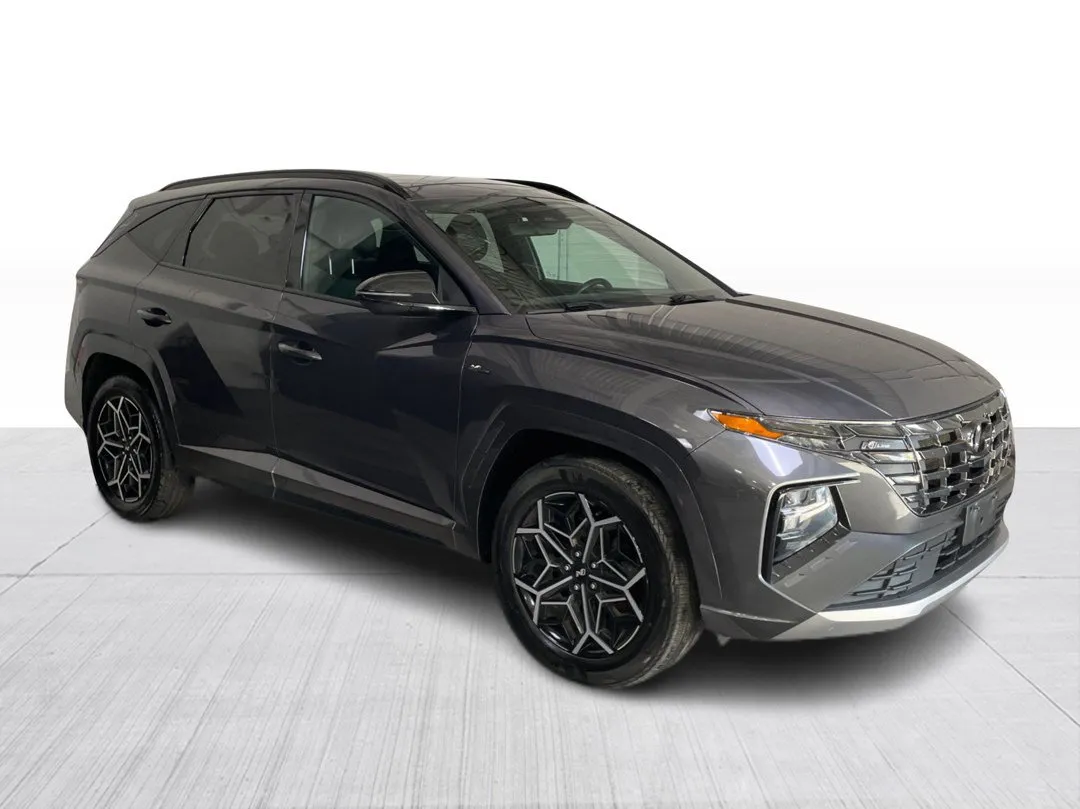
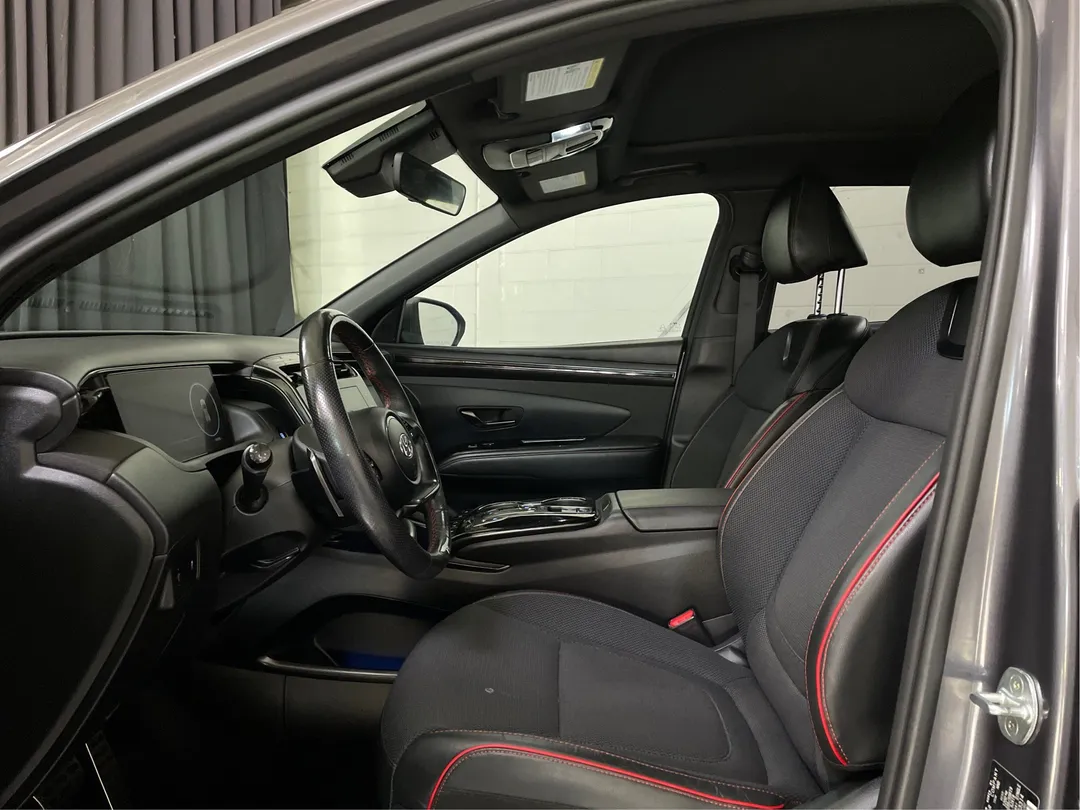
Both models offer heated seats starting on mid-range trims, a spacious second row, and quality materials. Their styling remains modern, with the Tucson featuring more angular lines and the CX-5 offering a smoother, more flowing design.
Towing capacity remains relatively modest for both vehicles.


What Other Compact SUVs Should You Consider?
Other used compact SUVs are worth considering if the Tucson or CX-5 does not fully meet your needs. Options include the Subaru Forester, Nissan Rogue, Ford Escape, and Volkswagen Tiguan, all of which offer comparable space, safety, and fuel economy depending on available inventory.
Prix, performance et avis : que choisir ?
Quel est l'aperçu rapide des motorisations Tucson et CX-5 ?
In summary, the Tucson offers a 2.5 L engine producing 187 horsepower and 178 lb-ft of torque, paired with an 8-speed automatic transmission. Fuel consumption is rated at 9.7 L/100 km in the city and 7.7 L/100 km on the highway.
The CX-5 comes with a 2.5 L Skyactiv-G engine producing 187 horsepower and 186 lb-ft of torque, or a turbocharged version producing between 227 and 256 horsepower and 310 lb-ft of torque. It is paired with a 6-speed automatic transmission and offers official highway fuel consumption as low as 7.7 L/100 km.
Overall, the two SUVs deliver similar performance, although the turbocharged CX-5 has a clear advantage in horsepower and torque.
Price, Performance, and Reviews: Which One Should You Choose?
The price of a used Hyundai Tucson or Mazda CX-5 varies depending on the model year, mileage, trim level, and overall condition. Both models retain their value well, which helps keep pricing relatively close between comparable versions.
It is better to check current used car inventory than to rely on average prices, as prices can change quickly based on supply and demand.
Financing can also influence your final choice. Our car financing guide explains how your credit score and down payment can affect the interest rate you receive, regardless of the vehicle you choose.
How Do the Two SUVs Compare in Acceleration?
The Mazda CX-5 generally delivers quicker acceleration thanks to torque that becomes available earlier, resulting in strong passing power. The Hyundai Tucson also performs well, particularly in its turbo version, which provides satisfying acceleration without significantly increasing fuel consumption.
The 0–100 km/h time ranges from approximately 8 to 9.5 seconds for both vehicles, depending on the powertrain.
What Do Owners Say About the Tucson and CX-5?
Owner reviews often highlight the Hyundai Tucson's reliability and excellent value for money, particularly on the used car market. The Mazda CX-5 also receives positive reviews for its build quality and smooth driving experience.
Before buying a used car, it is always a good idea to compare several similar vehicles and review their complete vehicle history.
Our Verdict: Hyundai Tucson or Mazda CX-5 on the Used Car Market?
When choosing between the Hyundai Tucson and Mazda CX-5, there is no bad option. Both compact SUVs offer reliability, comfort, and technology at an accessible price on the used car market.
Your choice ultimately depends on your priorities: the Tucson is better suited to buyers looking for space and comfort, while the CX-5 appeals more to drivers who value a dynamic driving experience.
Why Buy a Used Hyundai Tucson?
A used Hyundai Tucson is well suited to families looking for generous cargo space, good remaining warranty coverage, and a comfortable cabin for longer trips. It is also an appealing option for buyers who want access to a wide range of safety technologies without paying the price of a new vehicle.
Our complete guide to the used Hyundai Tucson covers its main advantages in greater detail.
Why Buy a Used Mazda CX-5?
A used Mazda CX-5 will appeal to drivers who prioritize driving enjoyment and build quality. Its strong reputation for reliability and good resale value also make it a smart choice for long-term ownership.
To expand your used car search, you can also read our comparisons of the Kia Sportage vs Hyundai Tucson and Honda CR-V vs Toyota RAV4.