Ford Bronco vs Jeep Wrangler: which off-road vehicle to choose in quebec
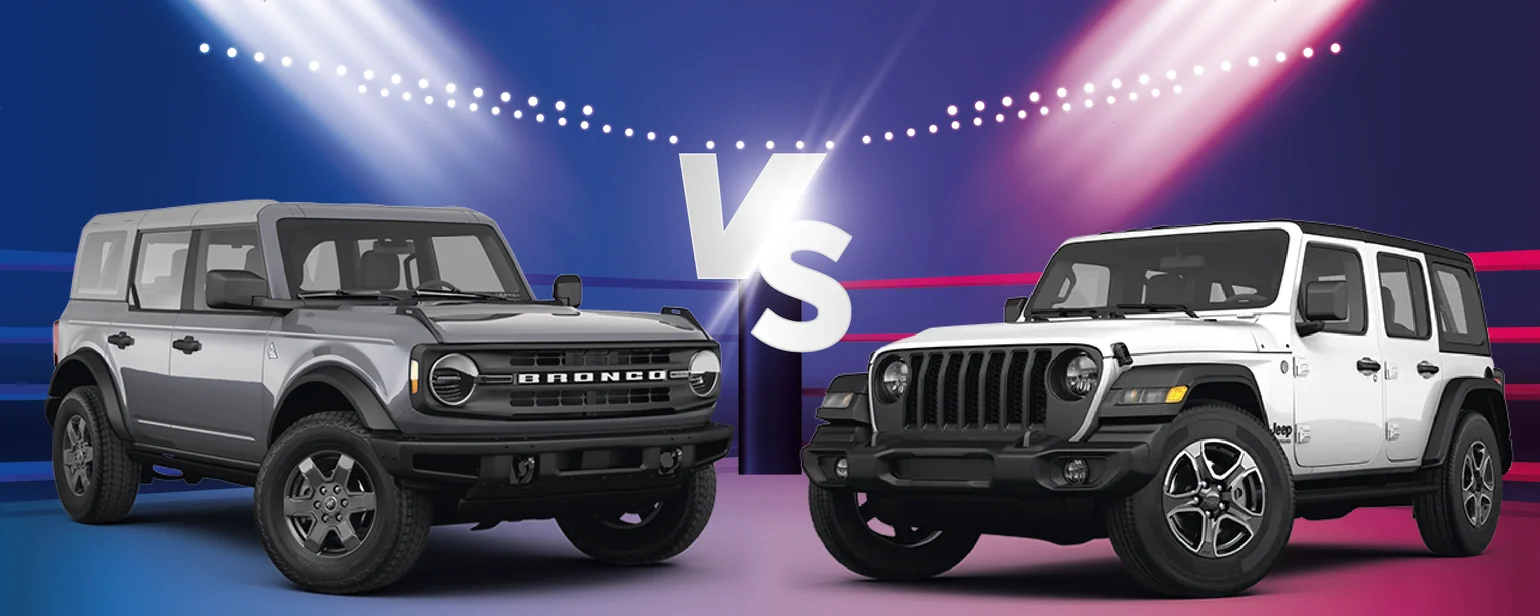
The Ford Bronco and Jeep Wrangler embody two iconic visions of the modern off-road vehicle. Designed to venture off the beaten track, tackle challenging terrain, and meet the needs of active drivers, they are also increasingly used for everyday driving, whether for urban commuting, road trips, or Quebec winters.
While both models share a well-established reputation for off-roading, their approaches differ in several key ways. In this article, we analyze the concrete differences between the two to help you make the best choice based on your usage, budget, and priorities.
General comparison: interior space, comfort, and everyday use
Before discussing off-road capabilities or trail performance, it is essential to compare the Ford Bronco and Jeep Wrangler in a real-world context.
While both the Wrangler and Bronco are designed for off-roading, their everyday behavior and comfort levels differ significantly depending on the version, configuration, transmission, and engine chosen. Both manufacturers offer several options, including manual or automatic transmissions, as well as different engine configurations suited to a variety of uses.
Comfort on the road: which is the most pleasant for everyday use?
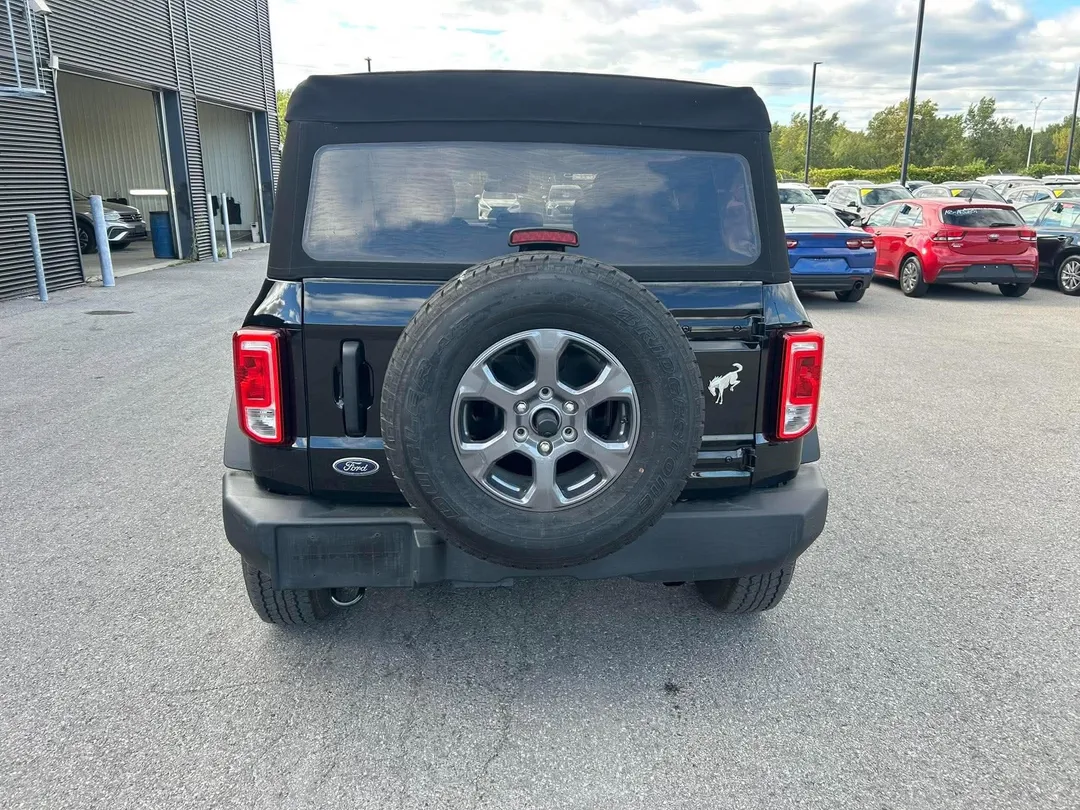
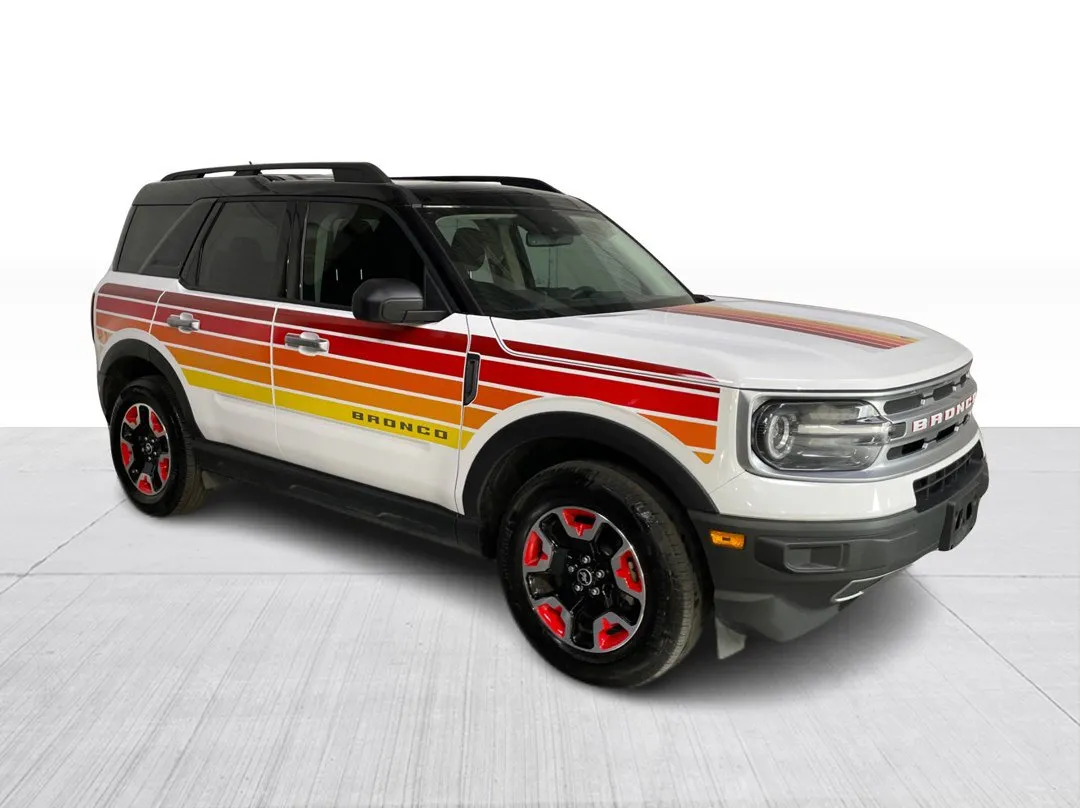
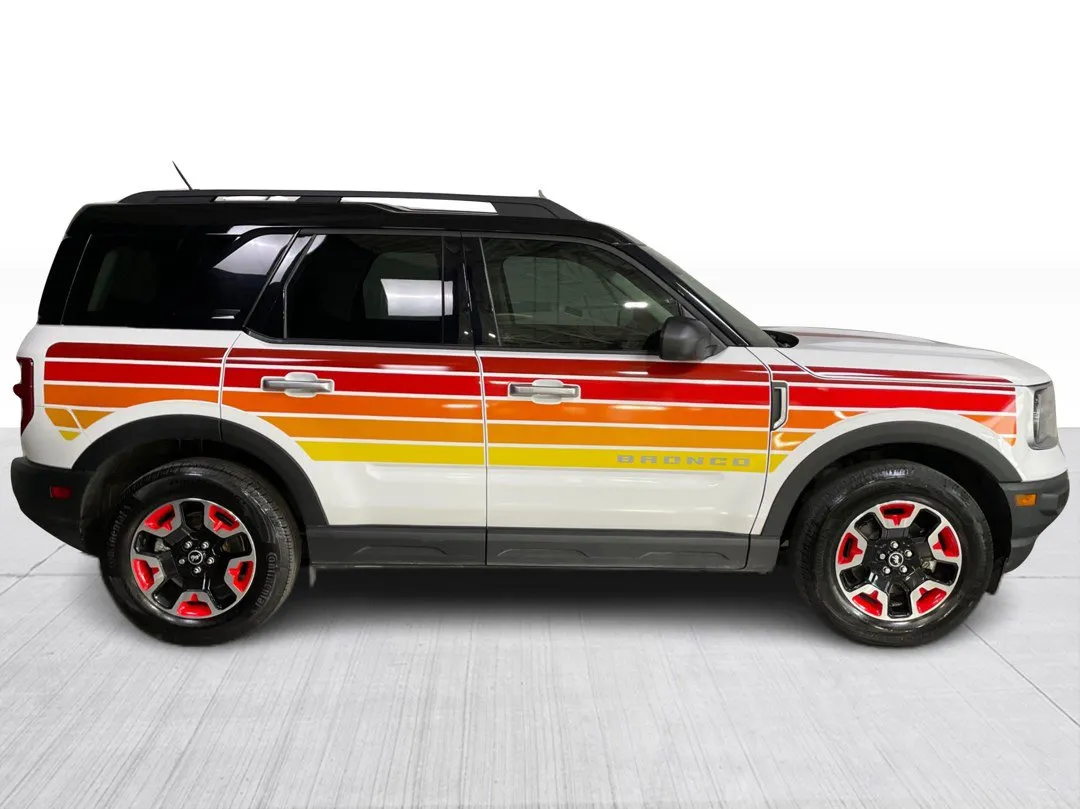
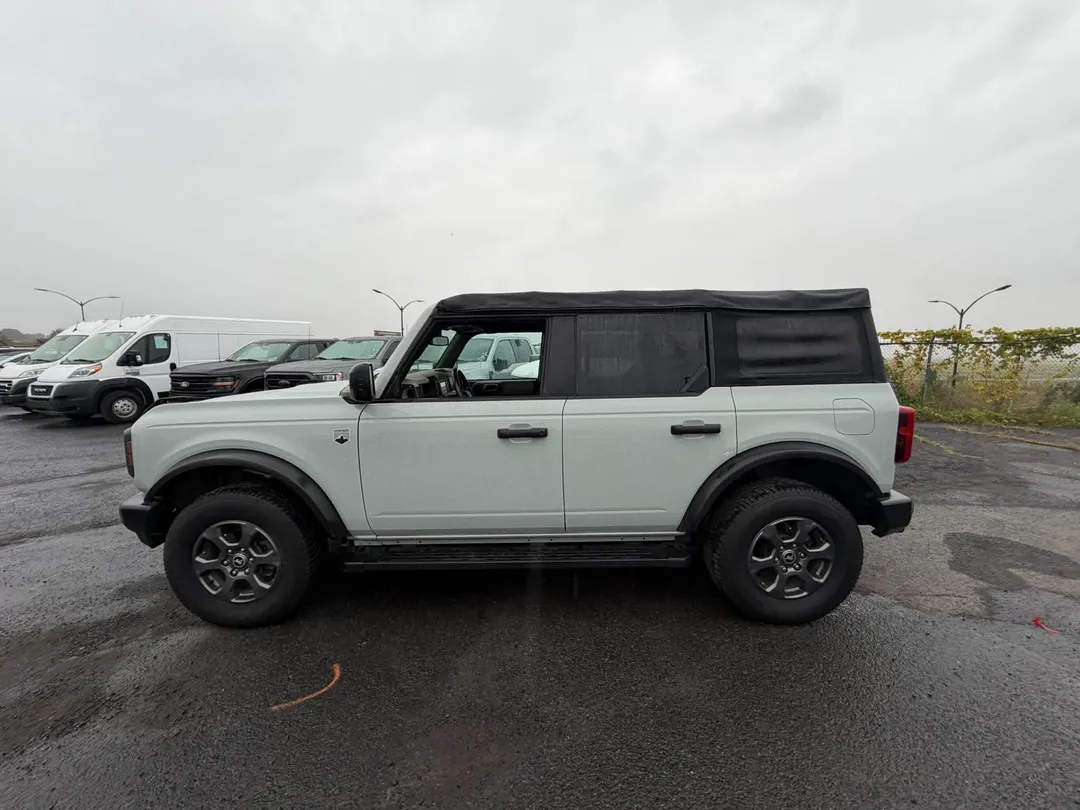
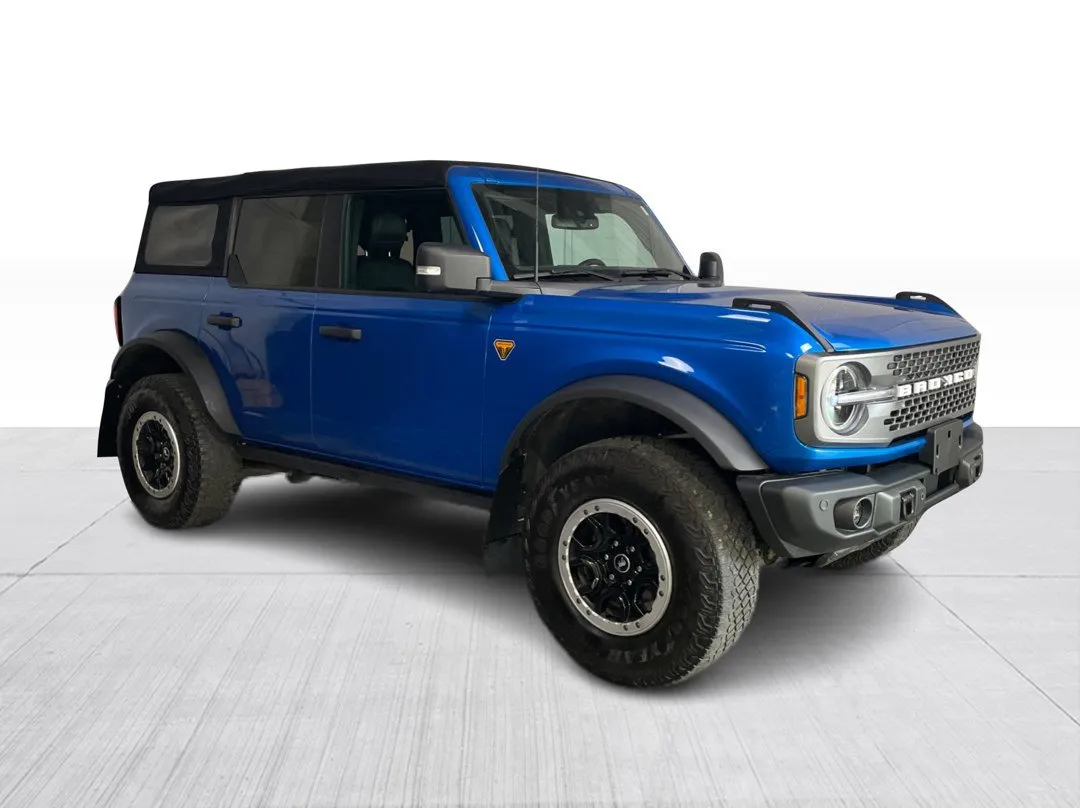
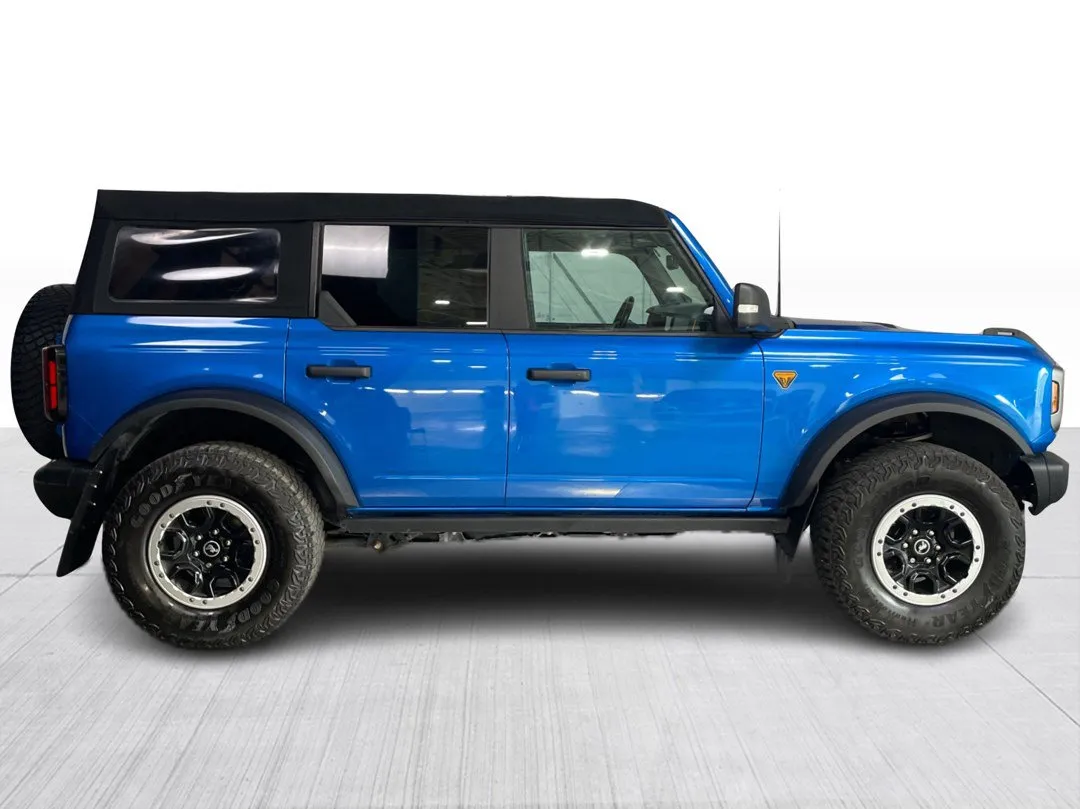
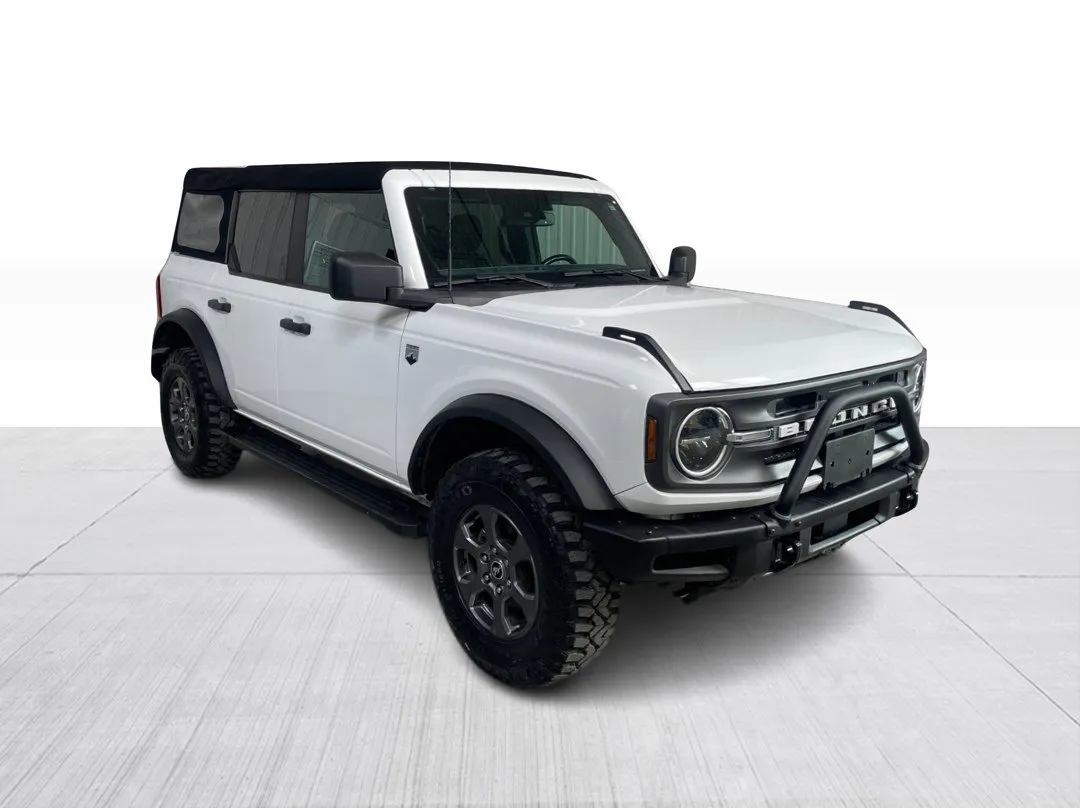
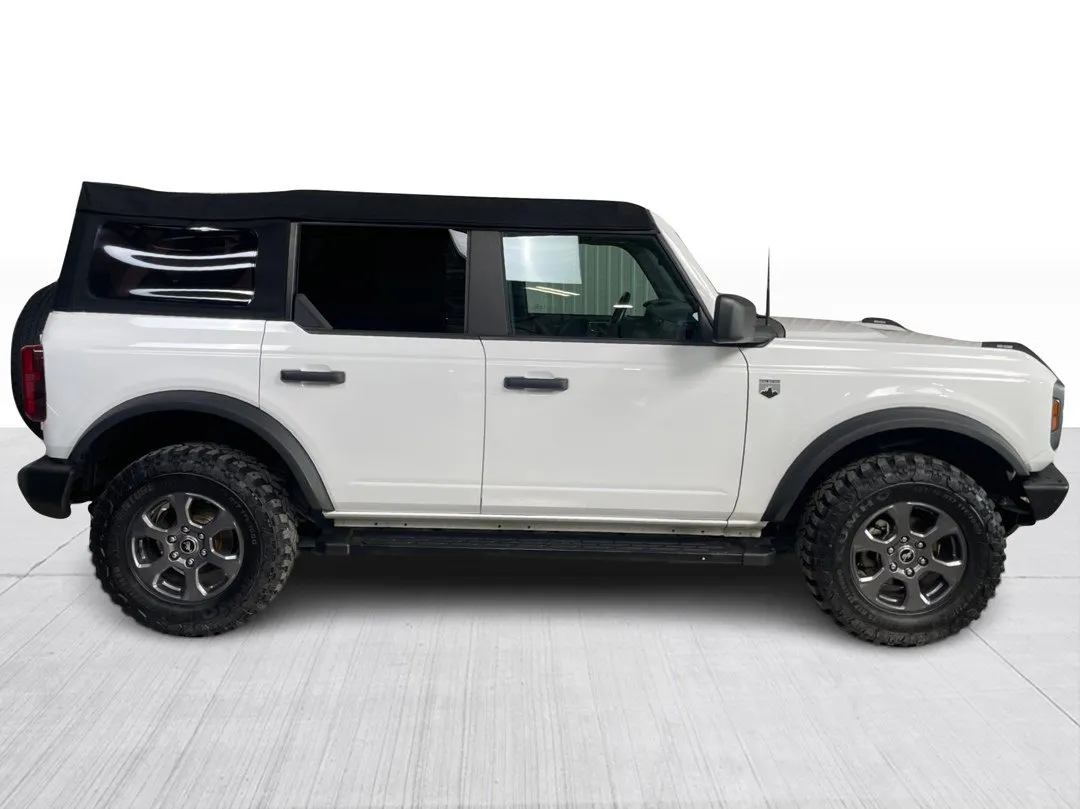
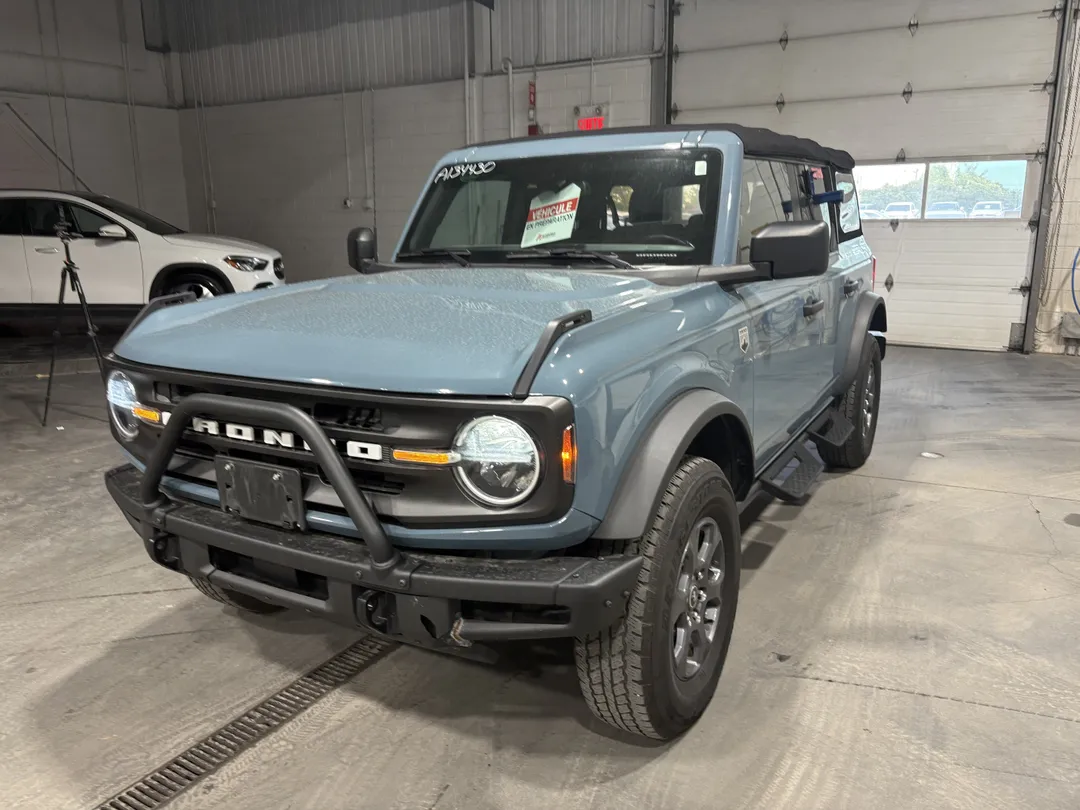
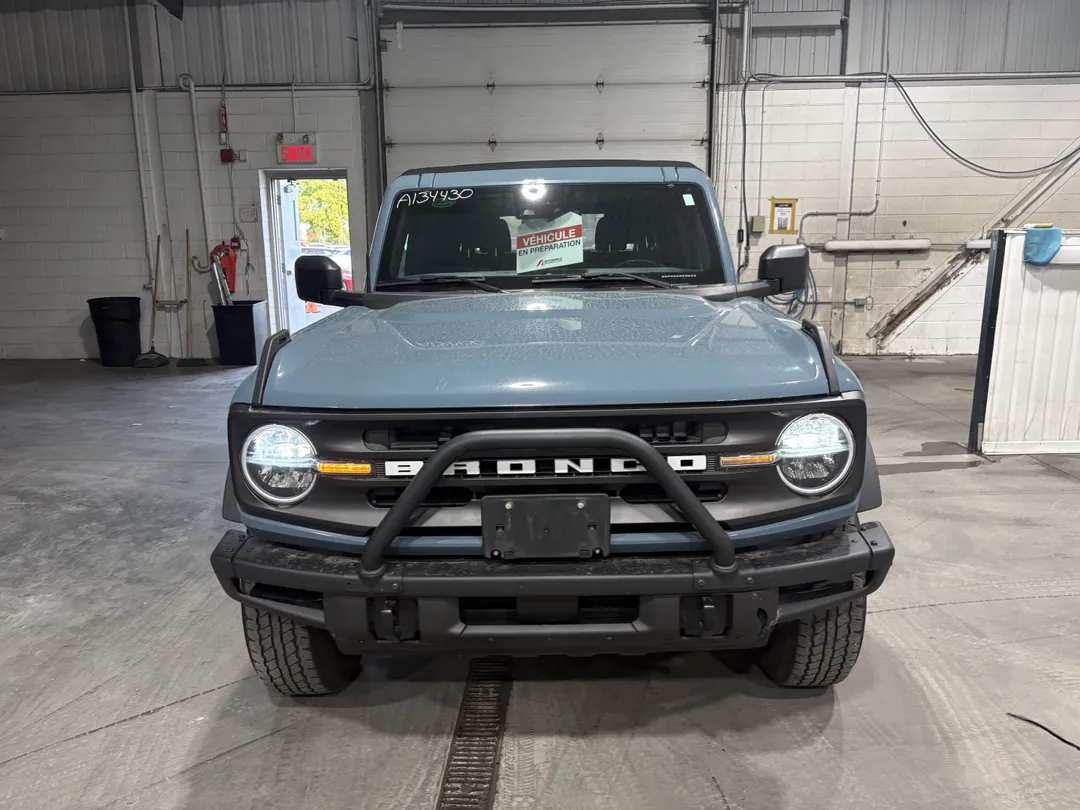
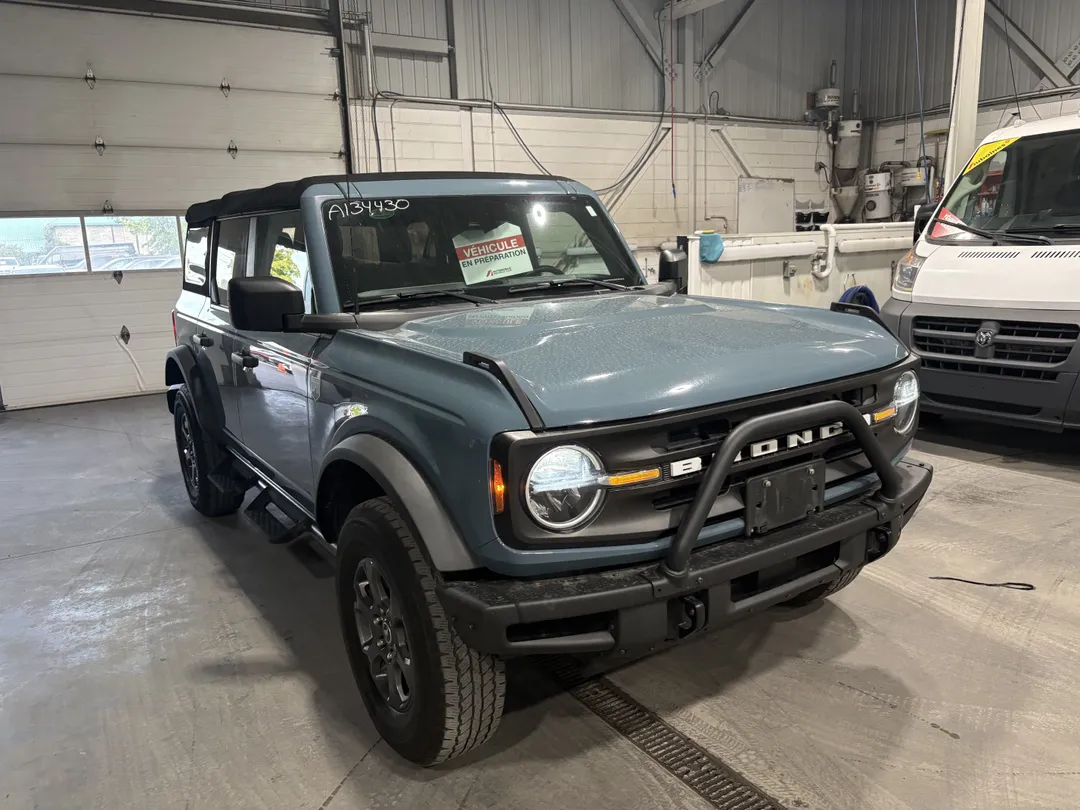
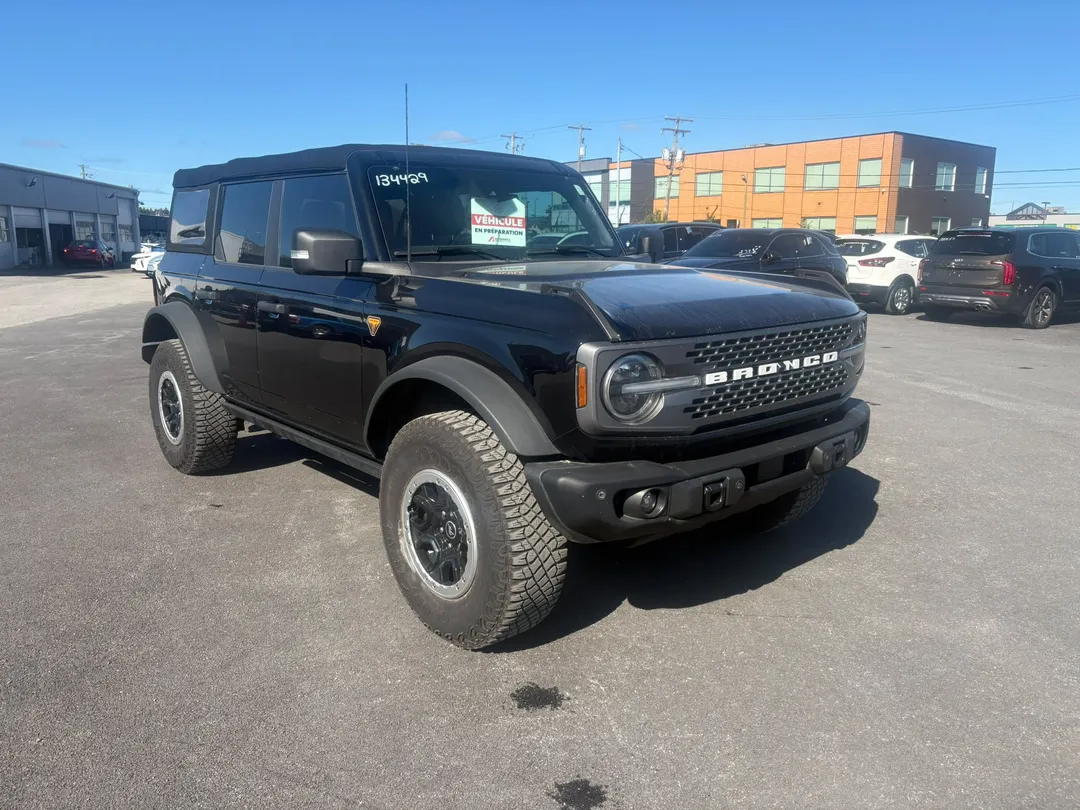
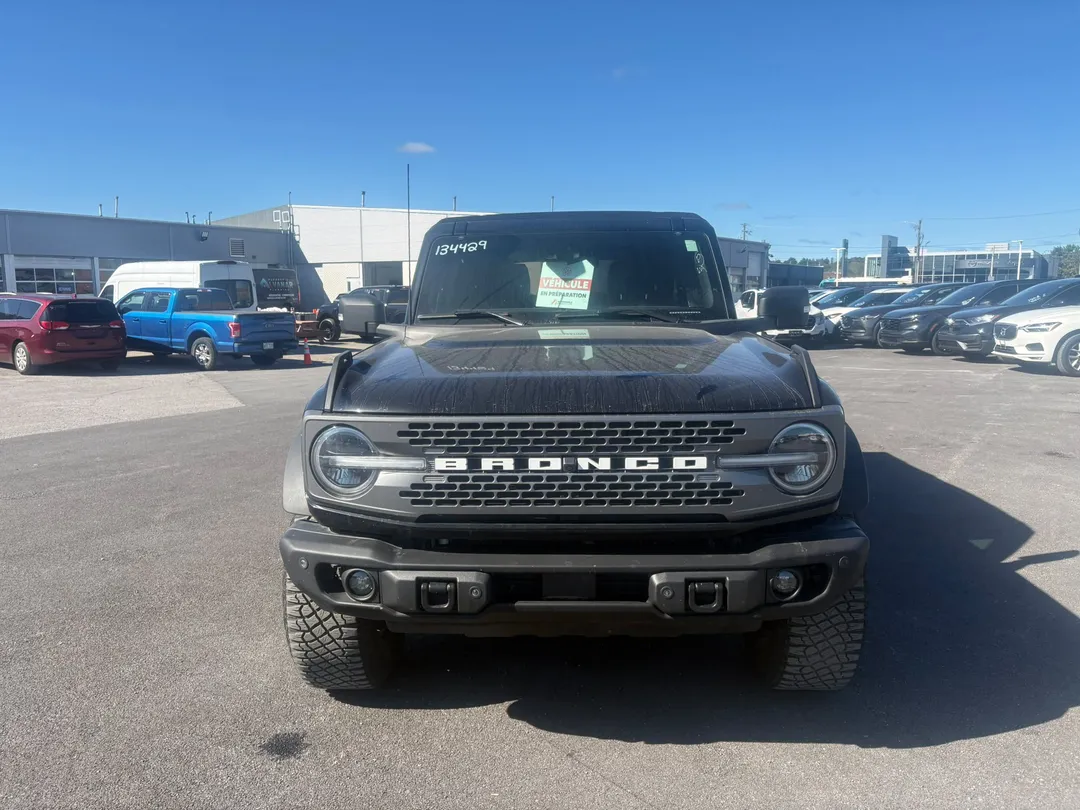
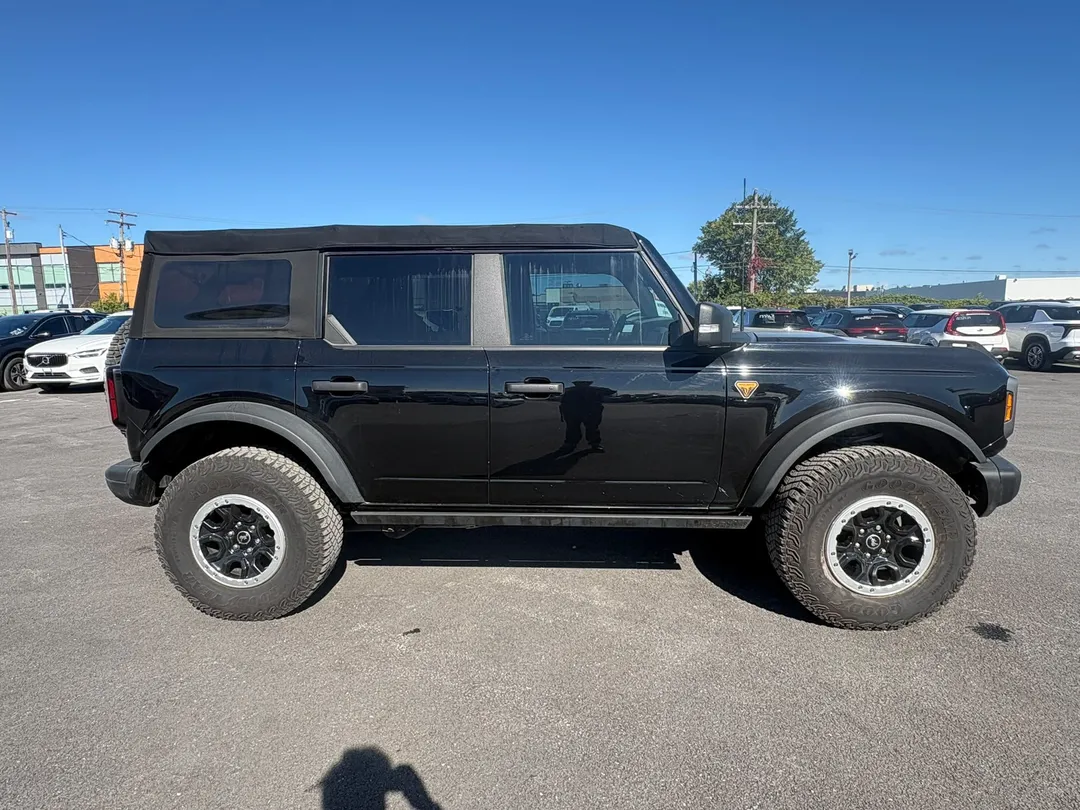
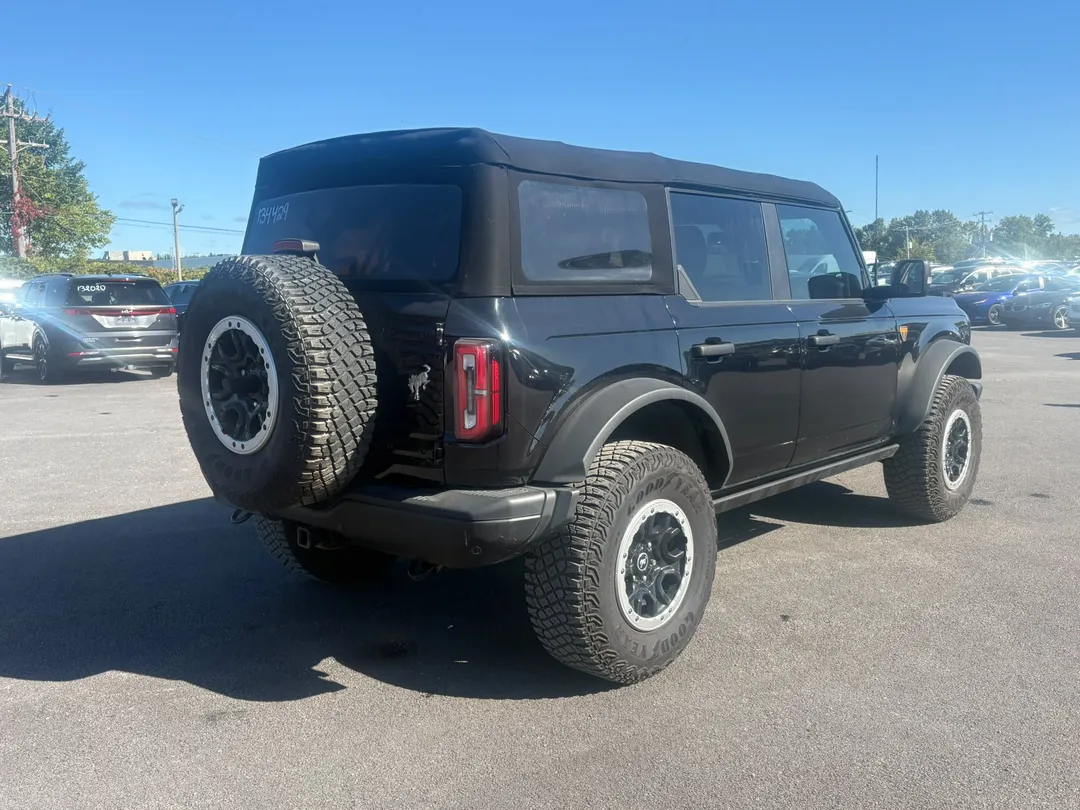
On the road, the Ford Bronco stands out with its more stable and reassuring ride, especially on long journeys. Its newer chassis, well-calibrated suspension, and more precise steering give it a noticeable advantage for everyday use. The Bronco absorbs road imperfections better and offers a more comfortable experience, particularly when driving on the highway or in winter conditions.
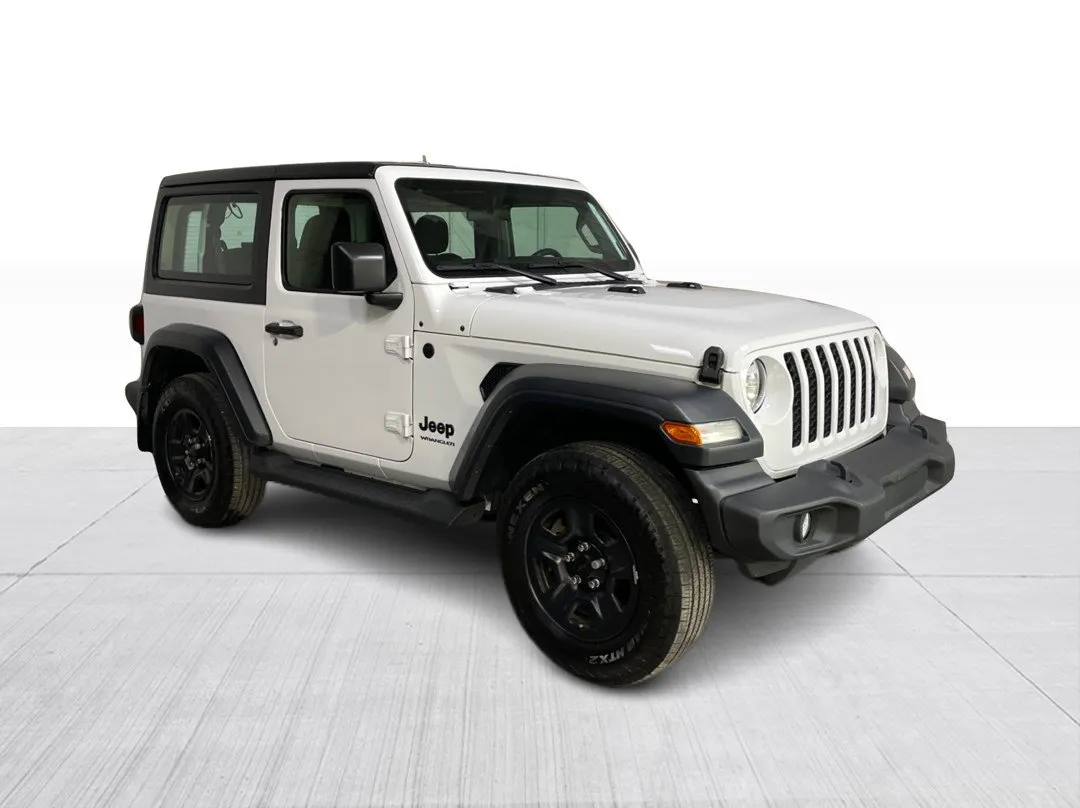
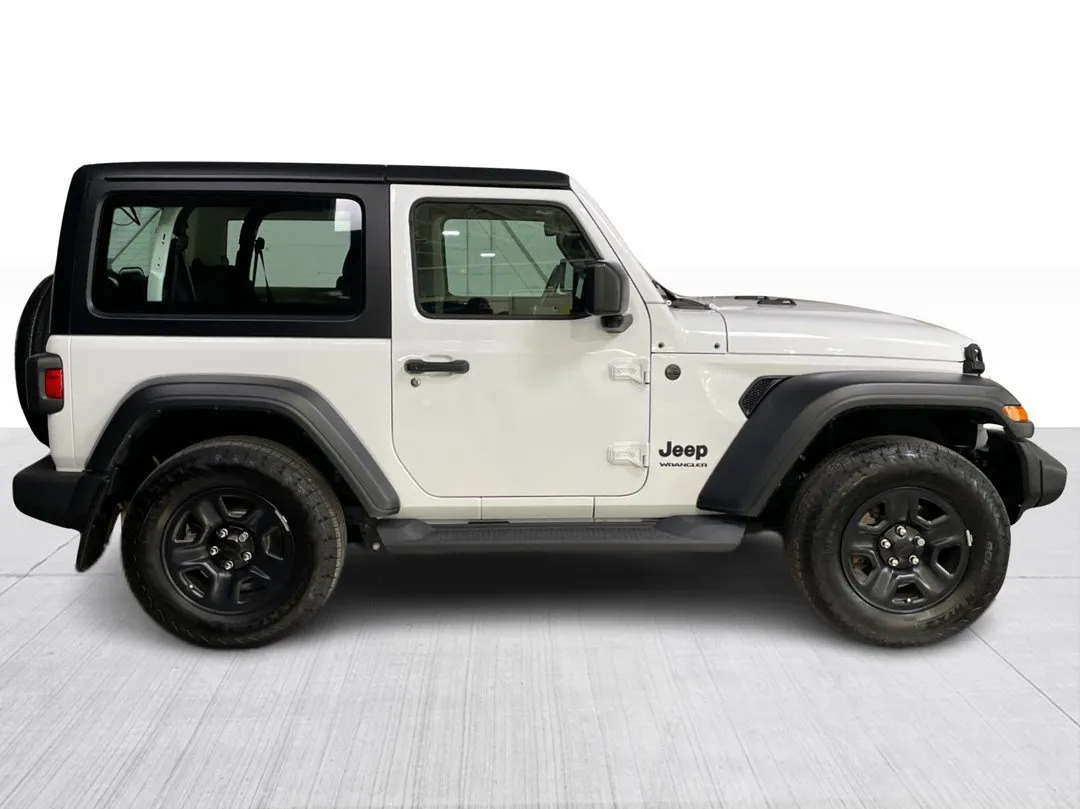
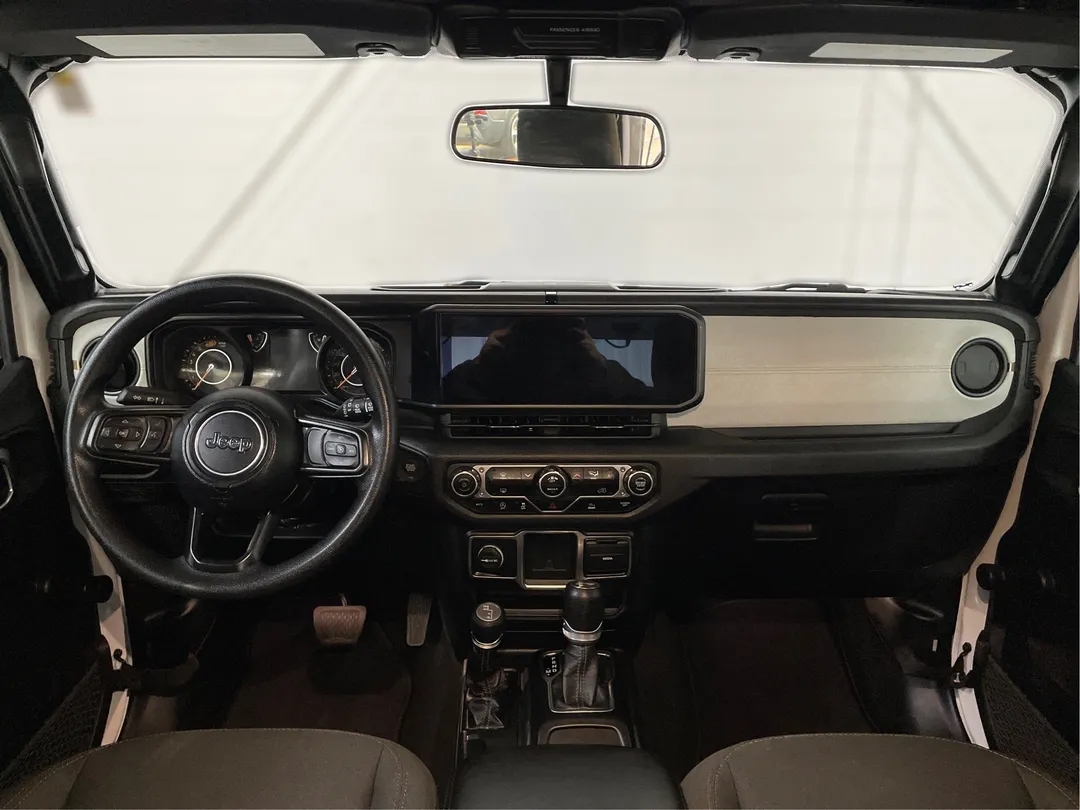
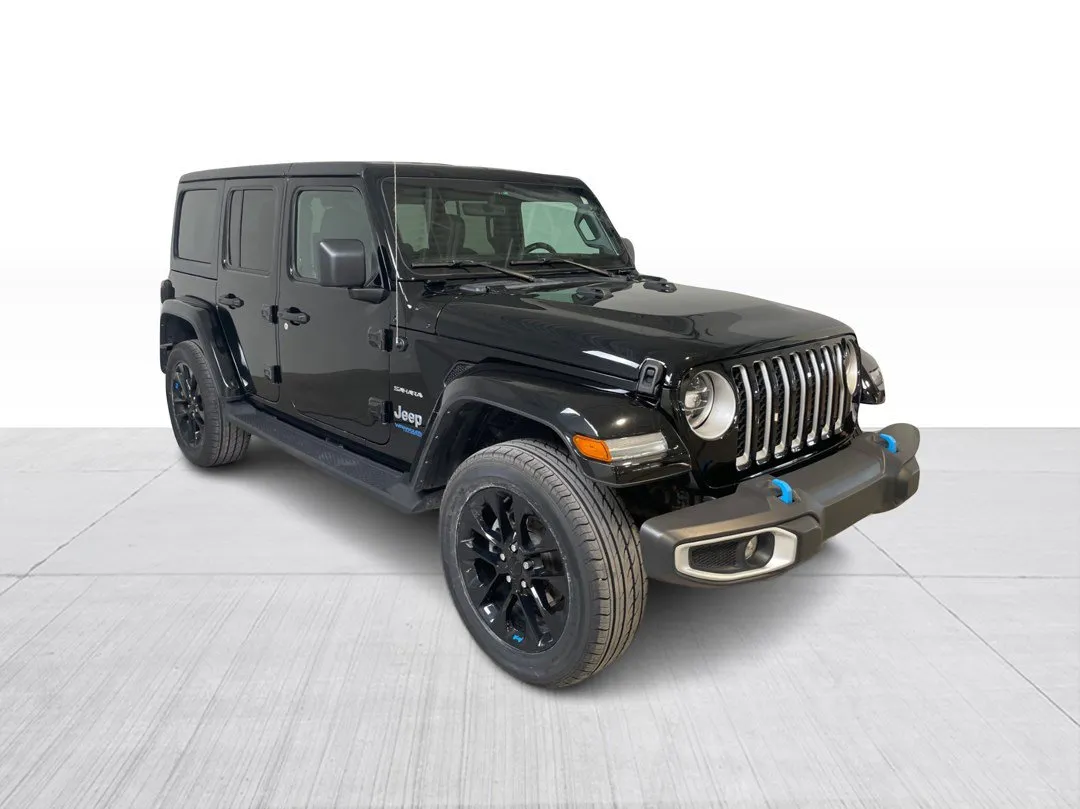
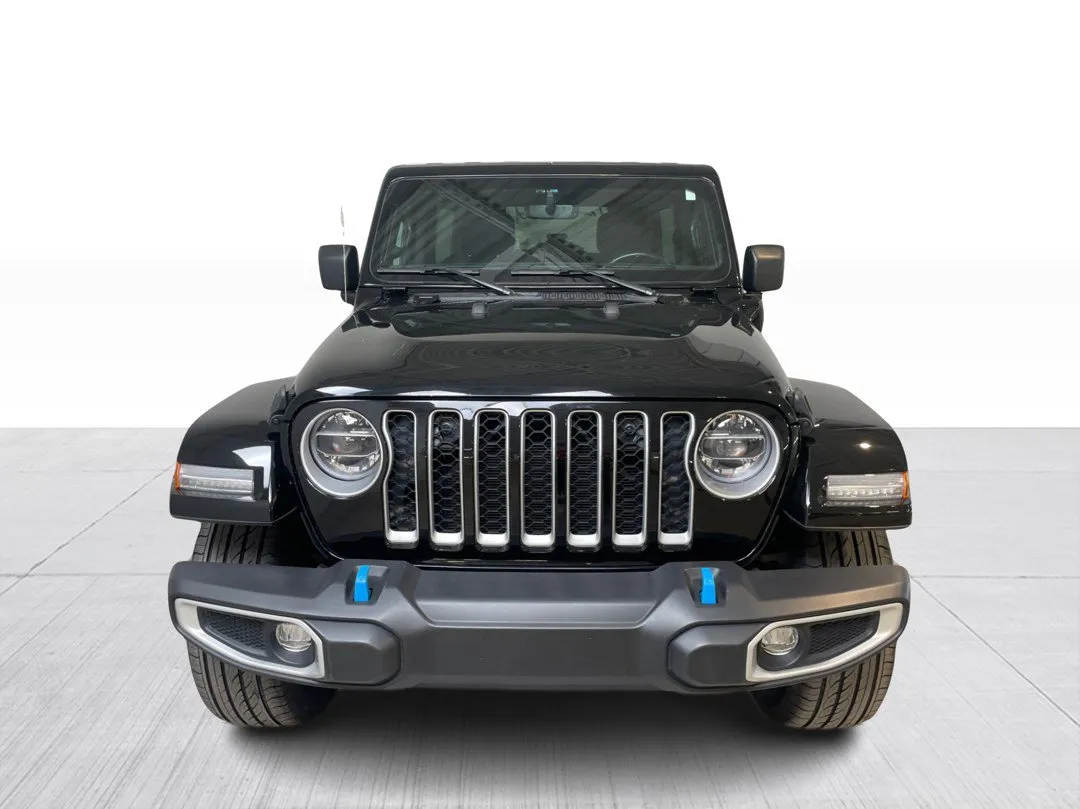
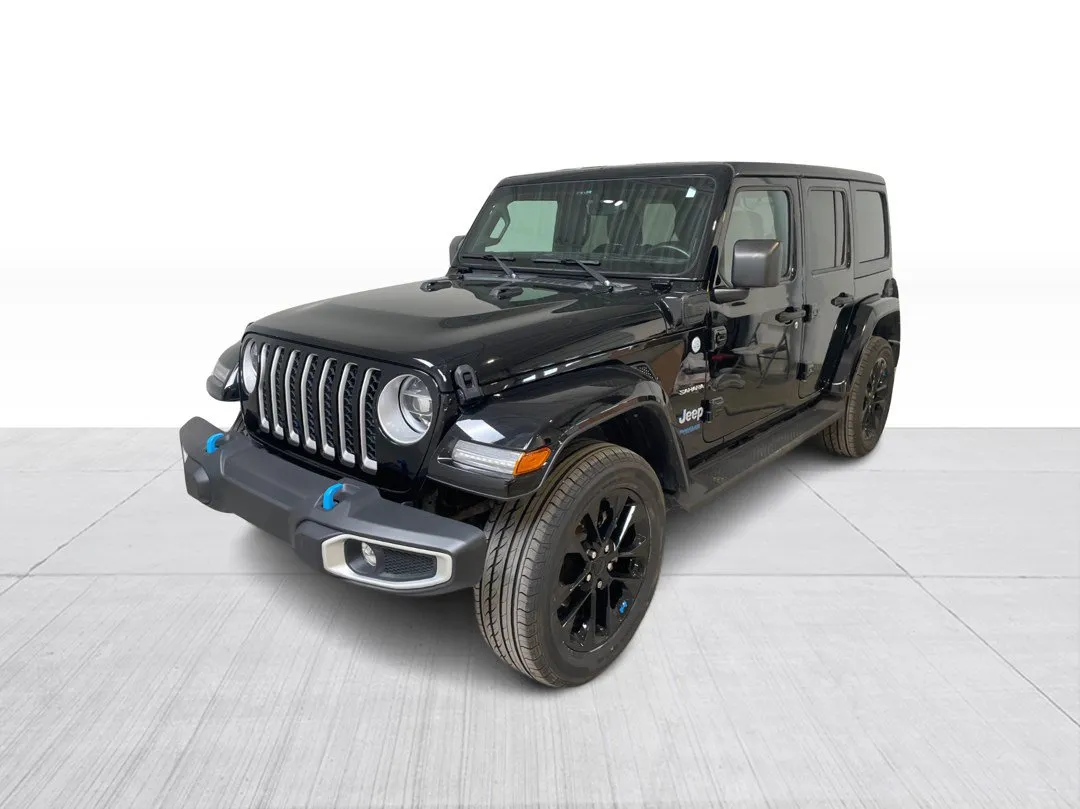
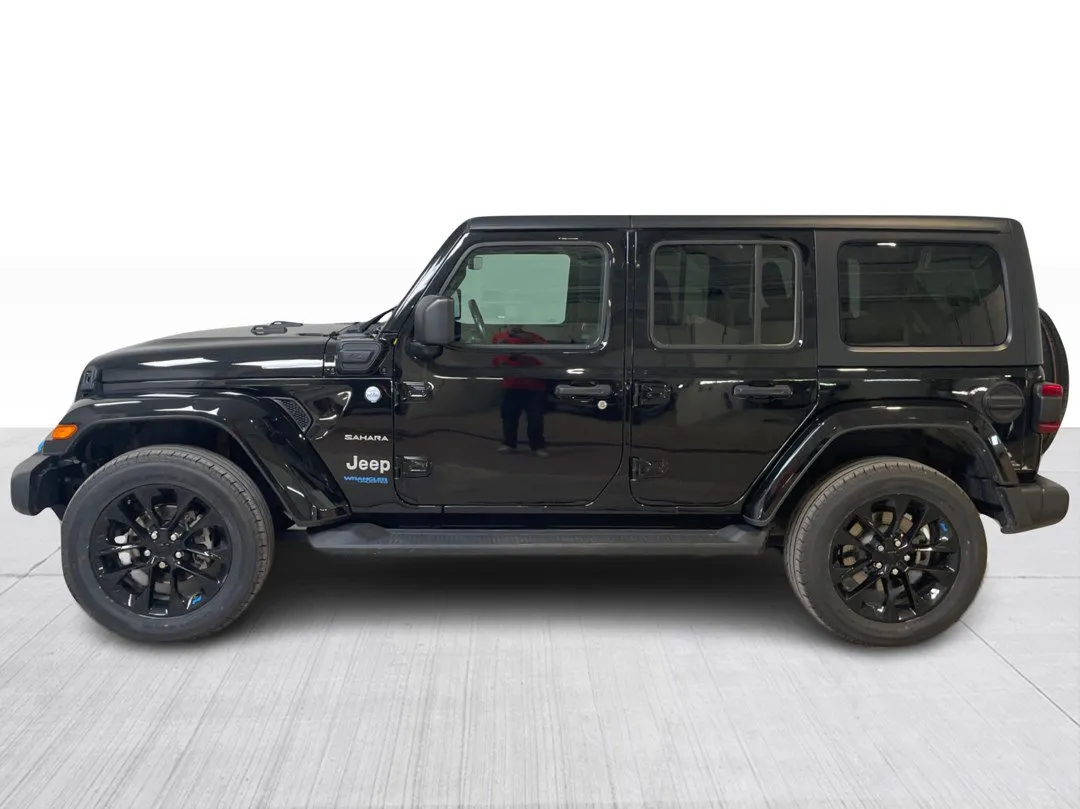
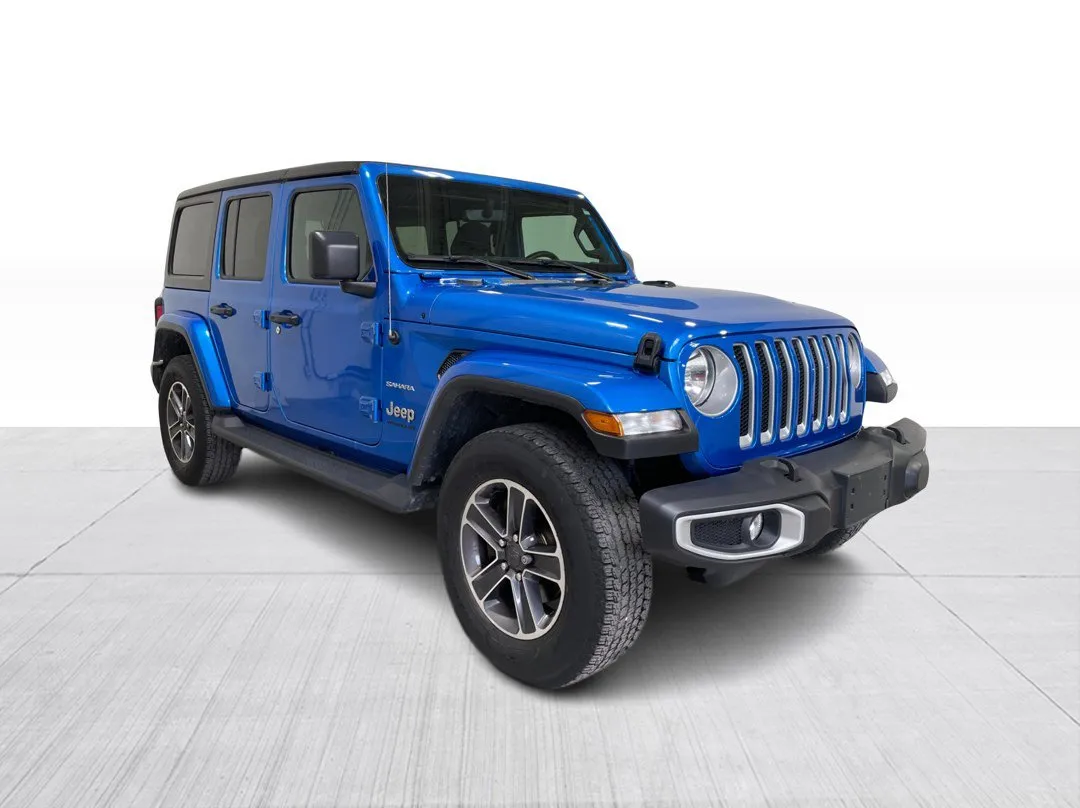
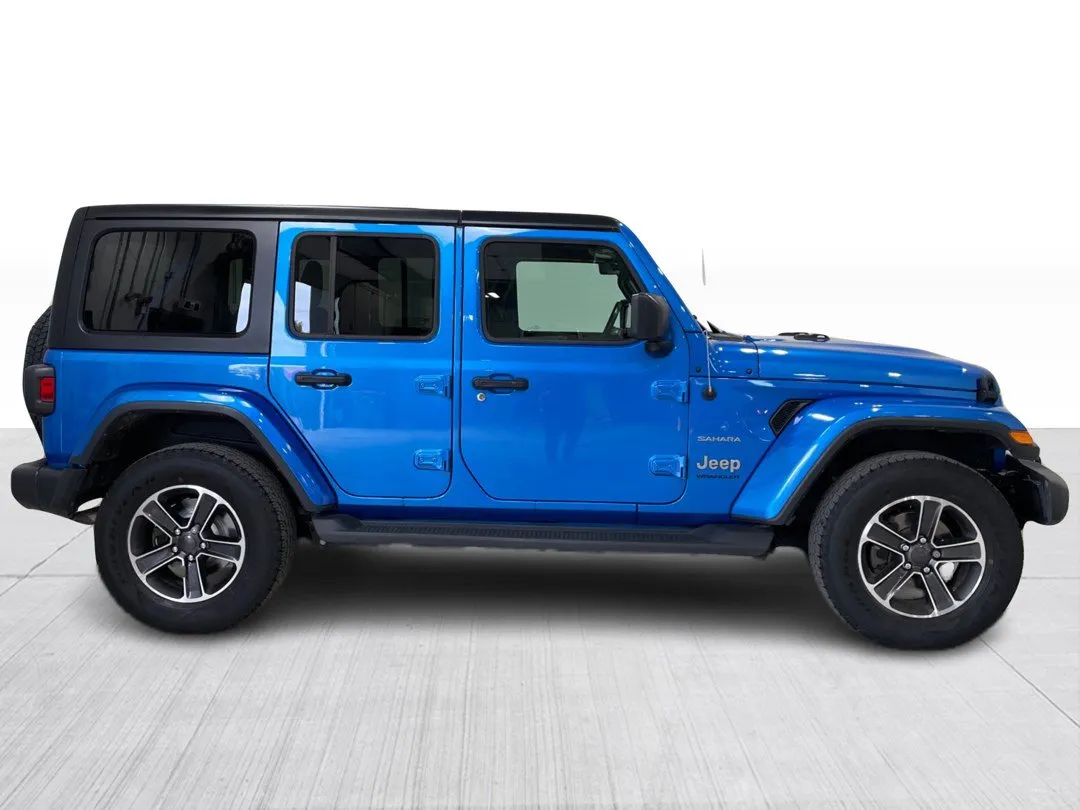
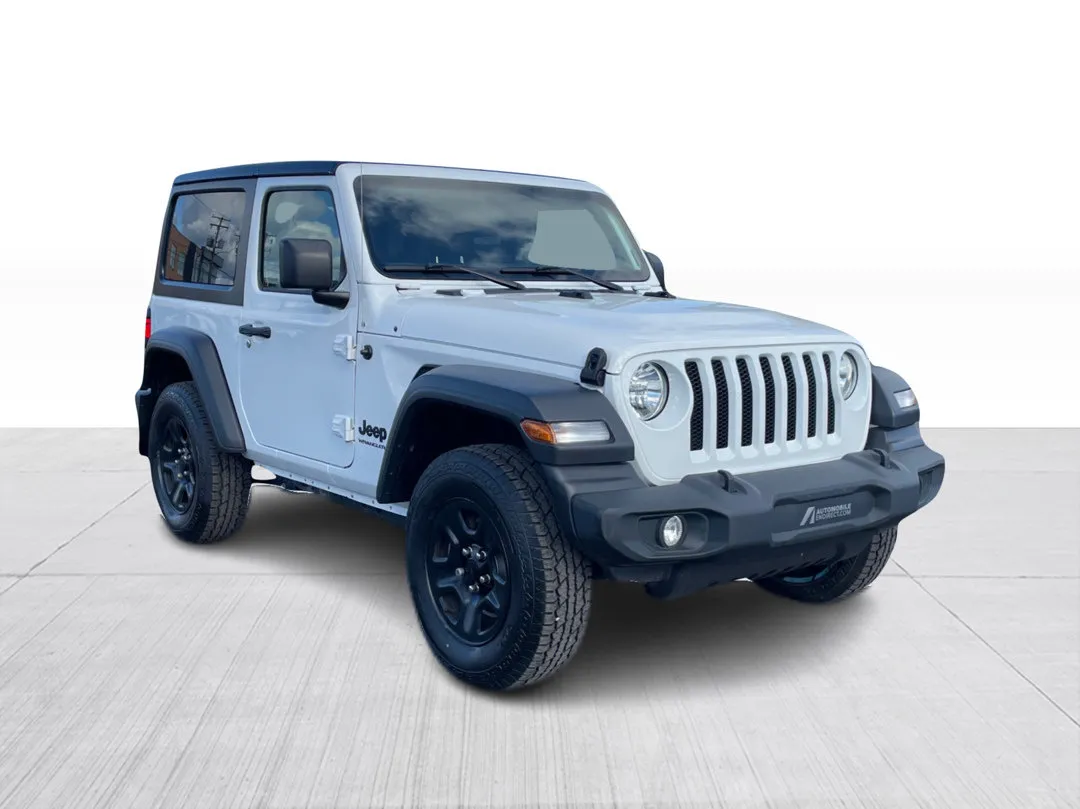
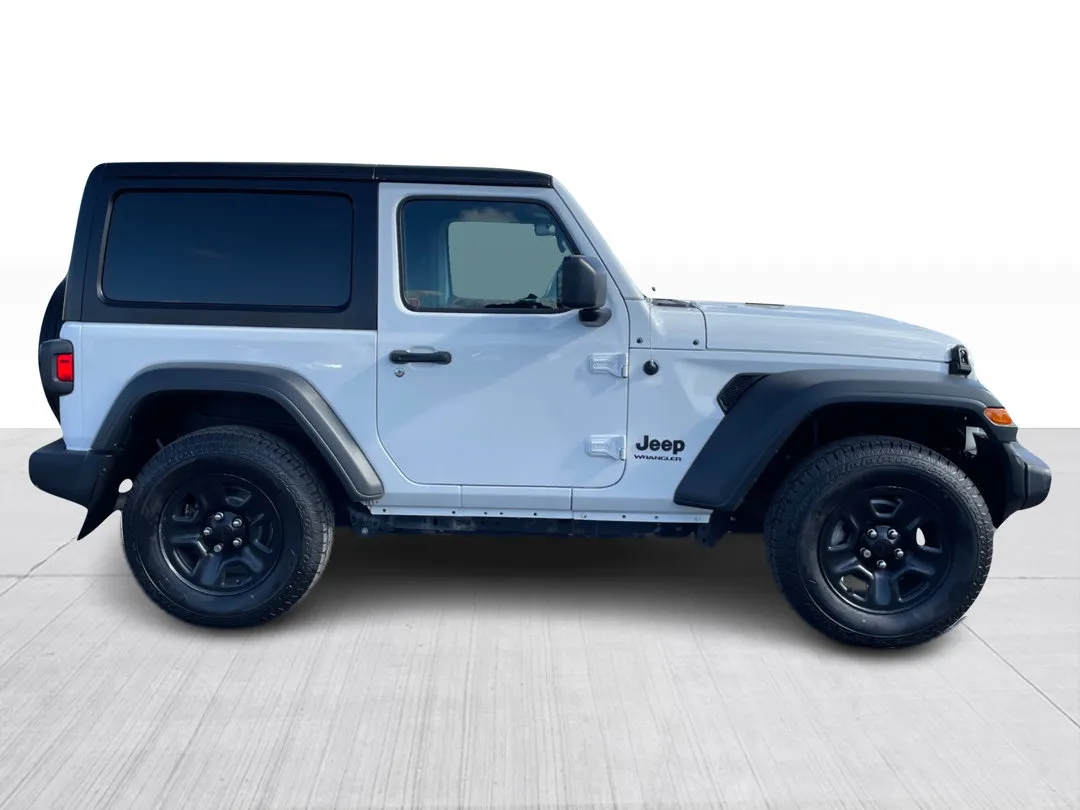
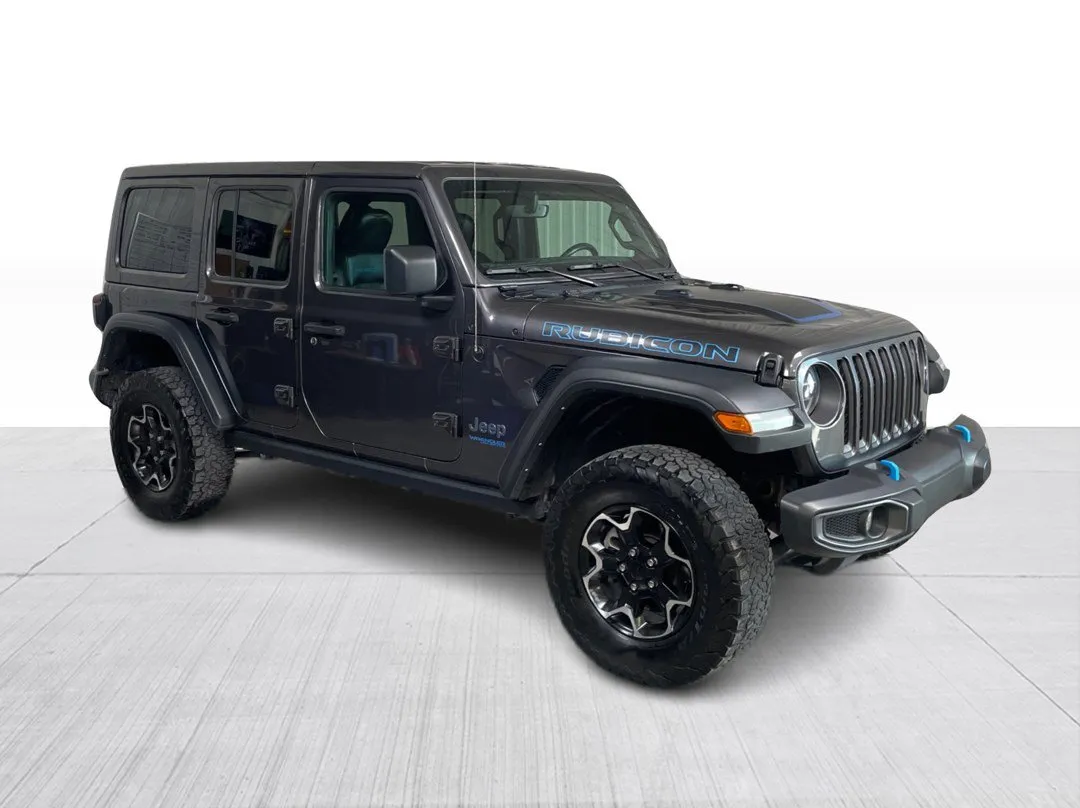
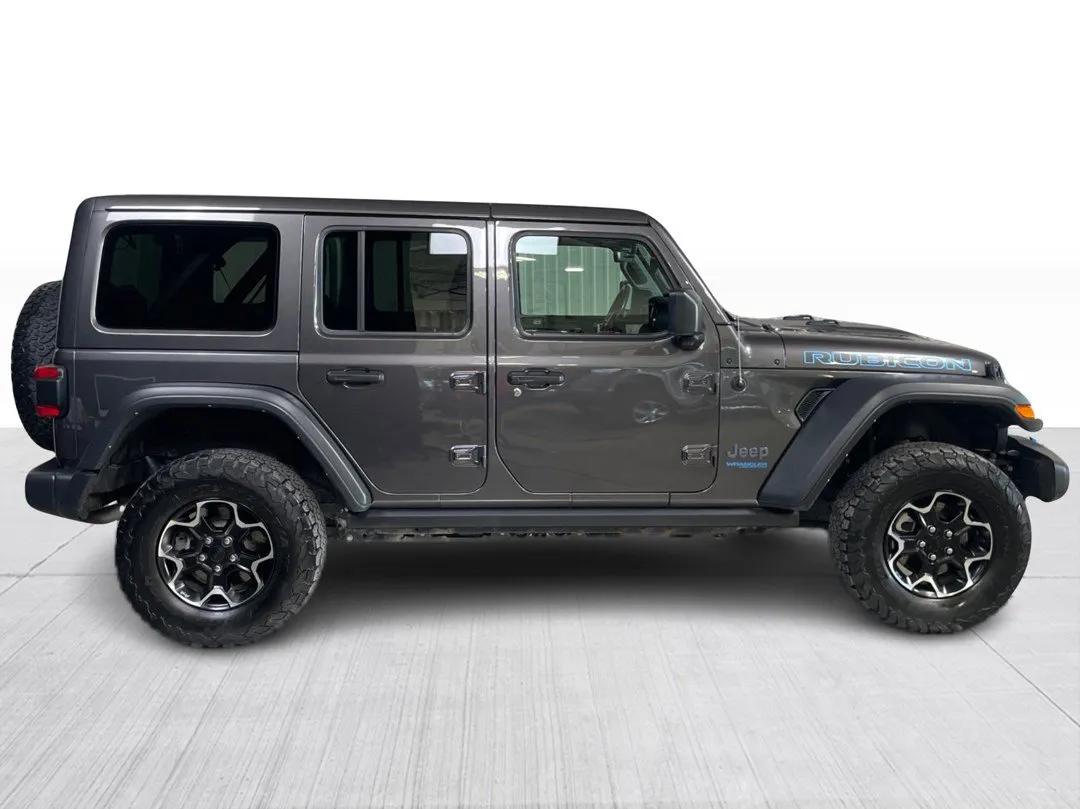
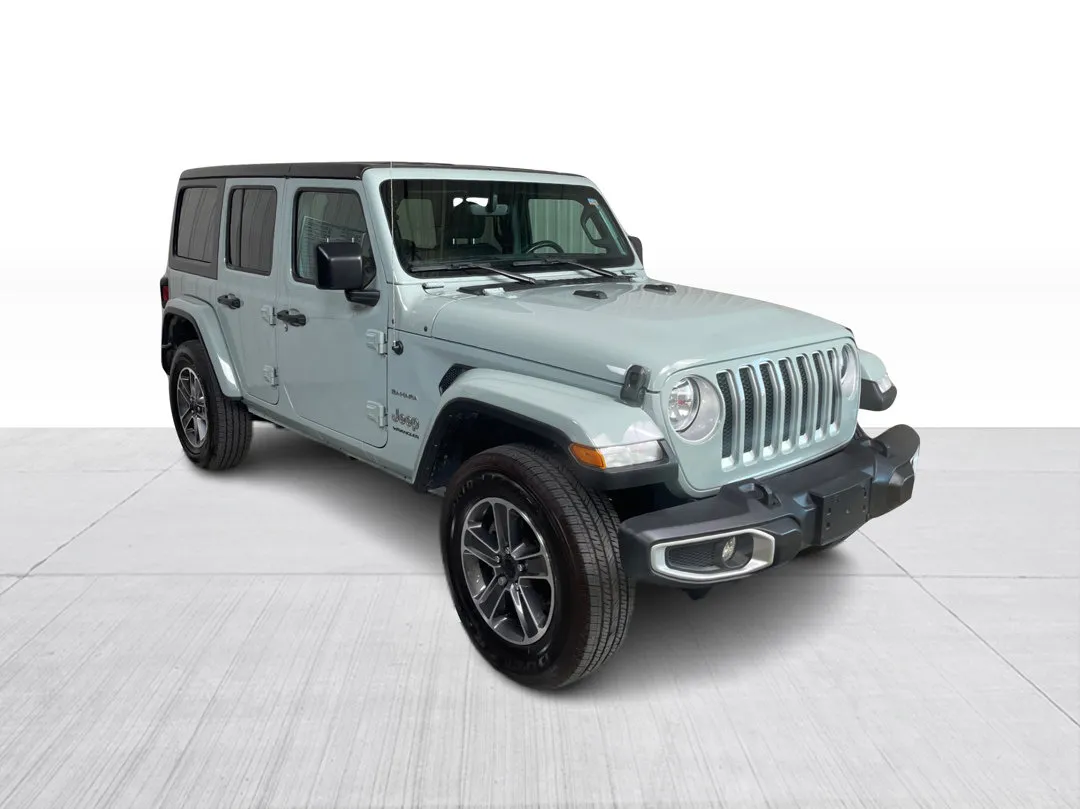
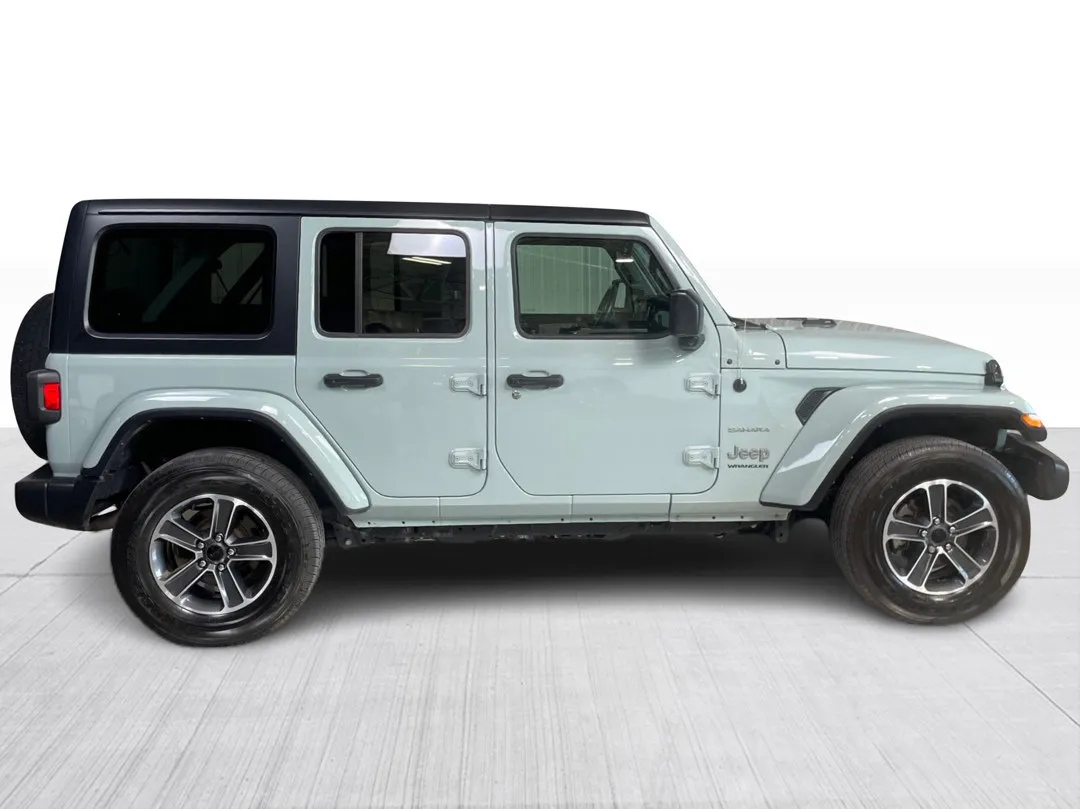
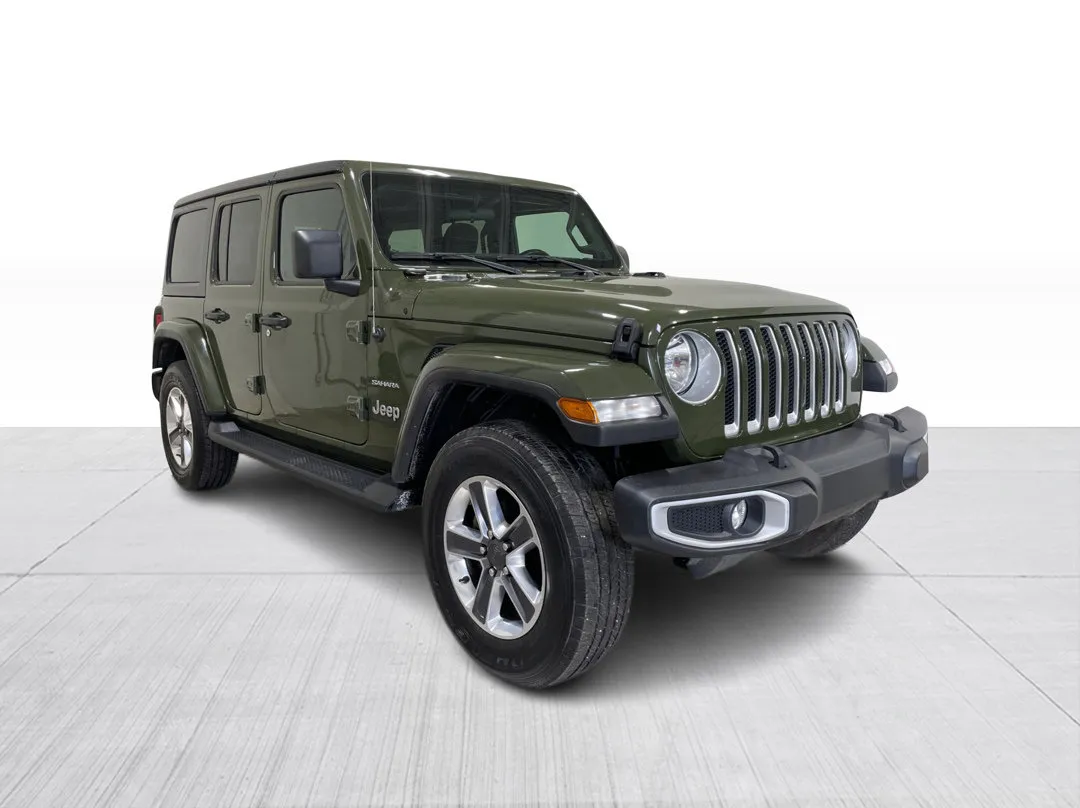
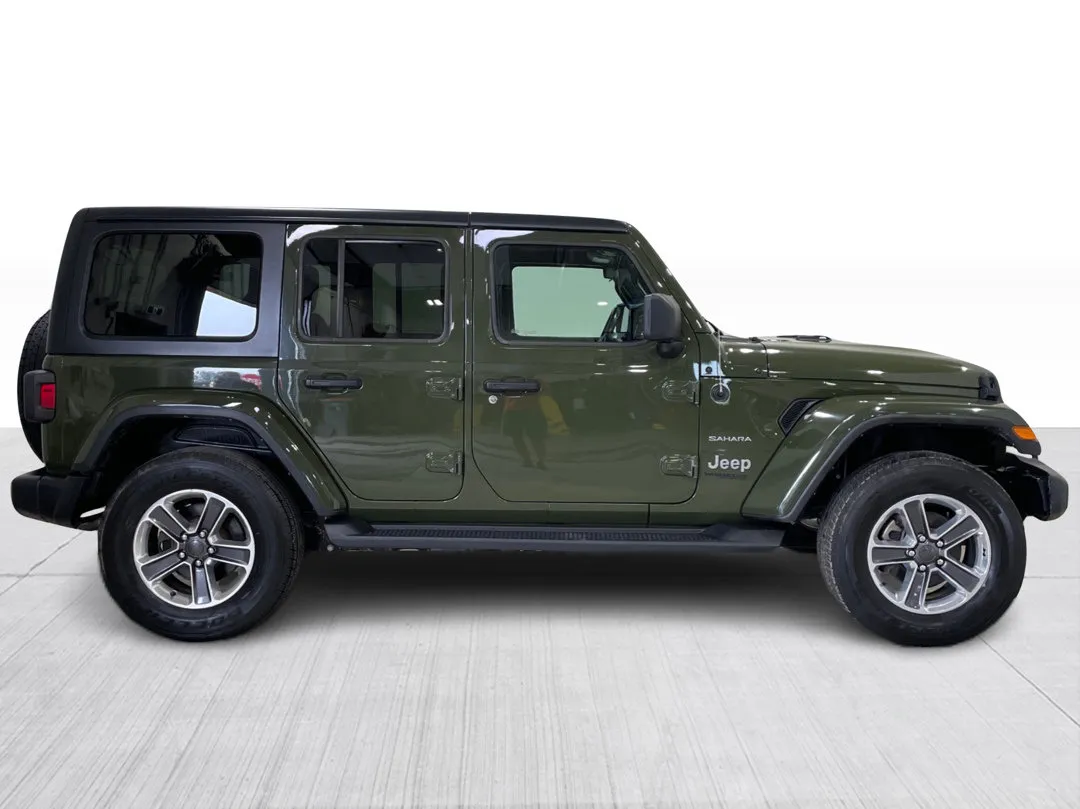
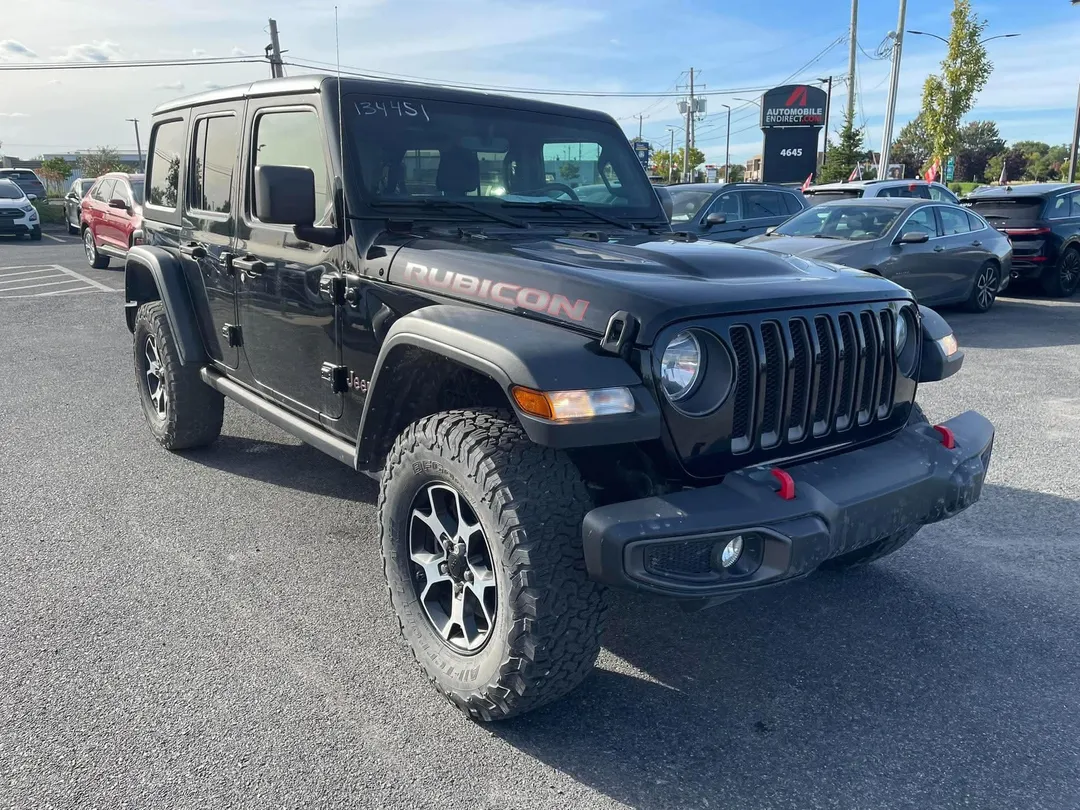
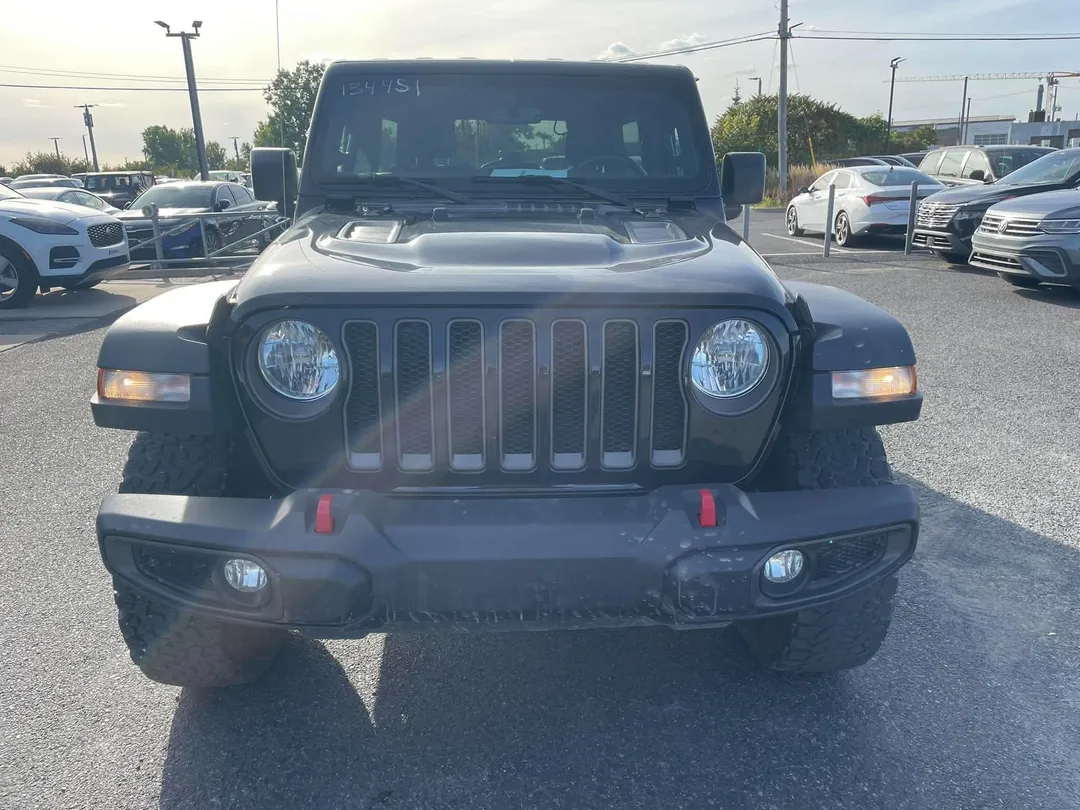
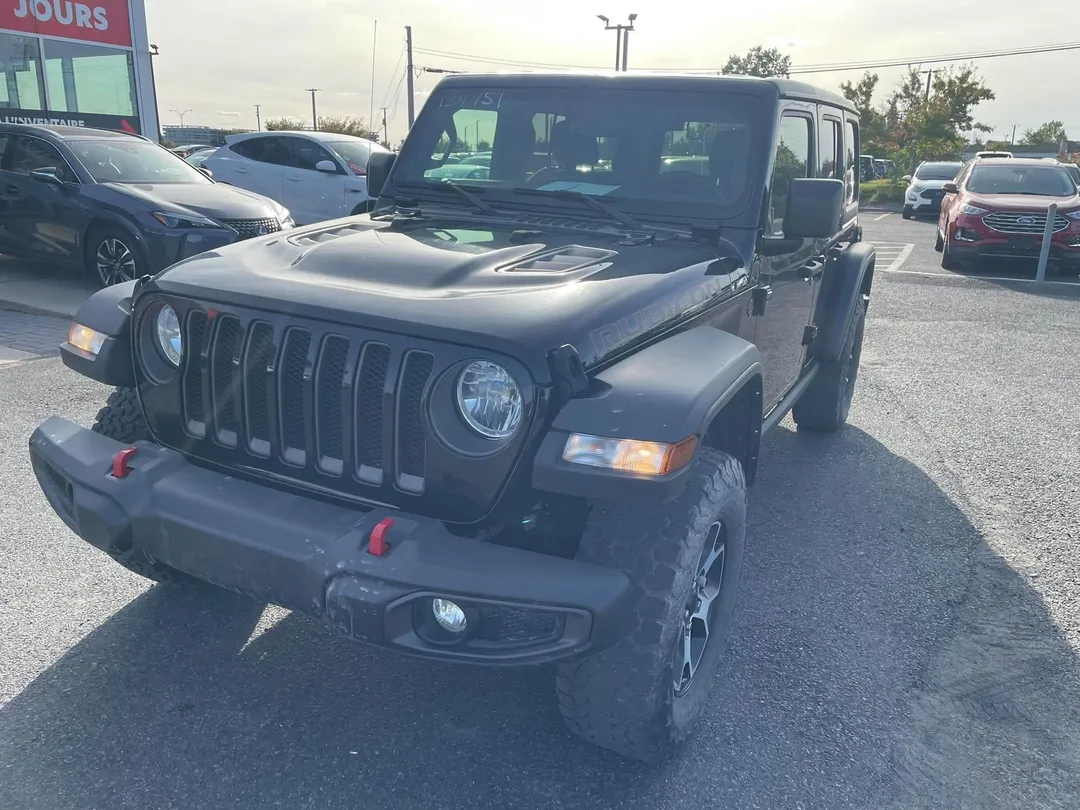
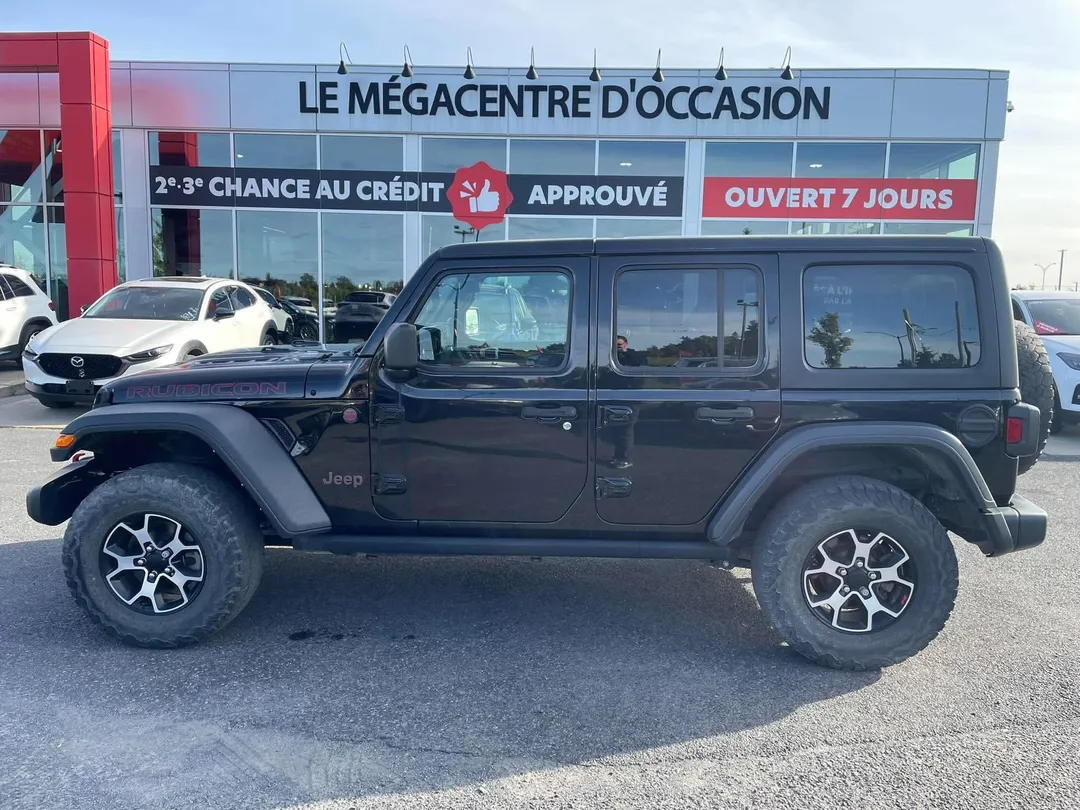
The Jeep Wrangler retains a more off-road-oriented ride. Its rigidity and traditional architecture favor off-road performance, but this translates into a firmer ride on pavement. For drivers who mainly drive in the city or on the highway, the Wrangler may seem less comfortable in the long run, especially over long distances.
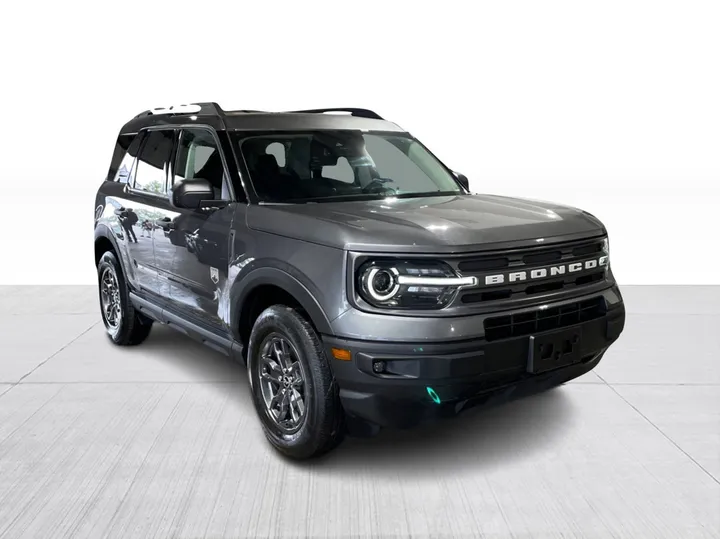
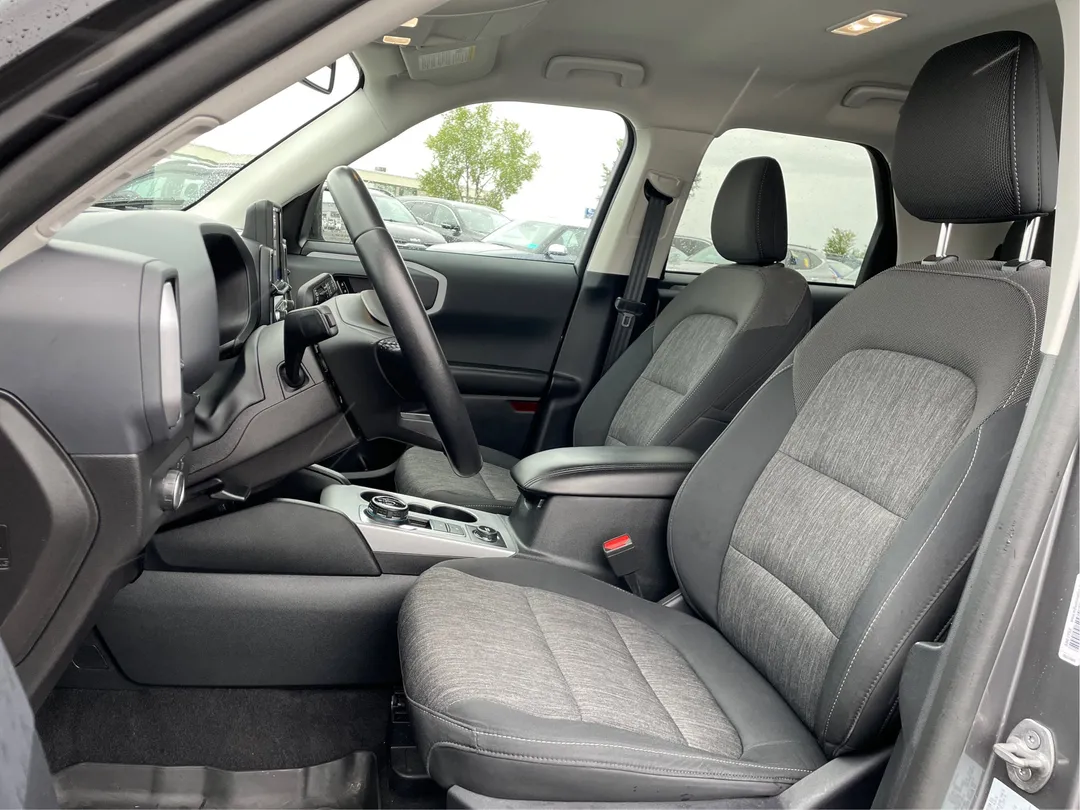
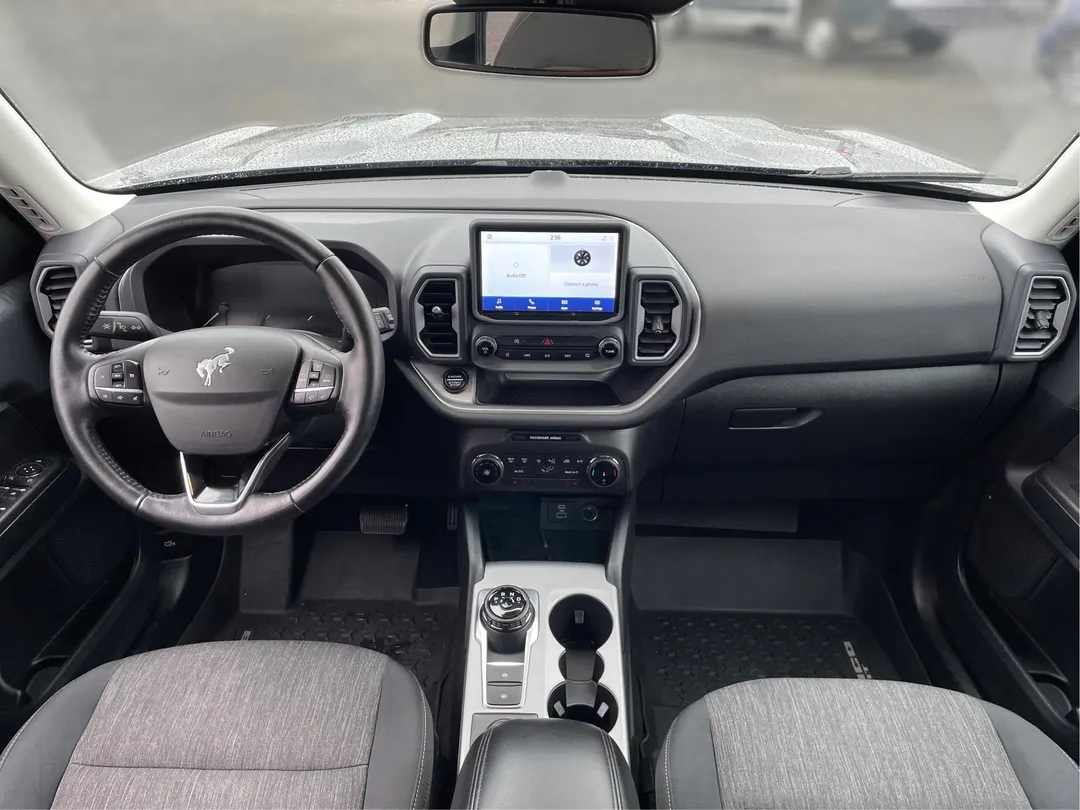
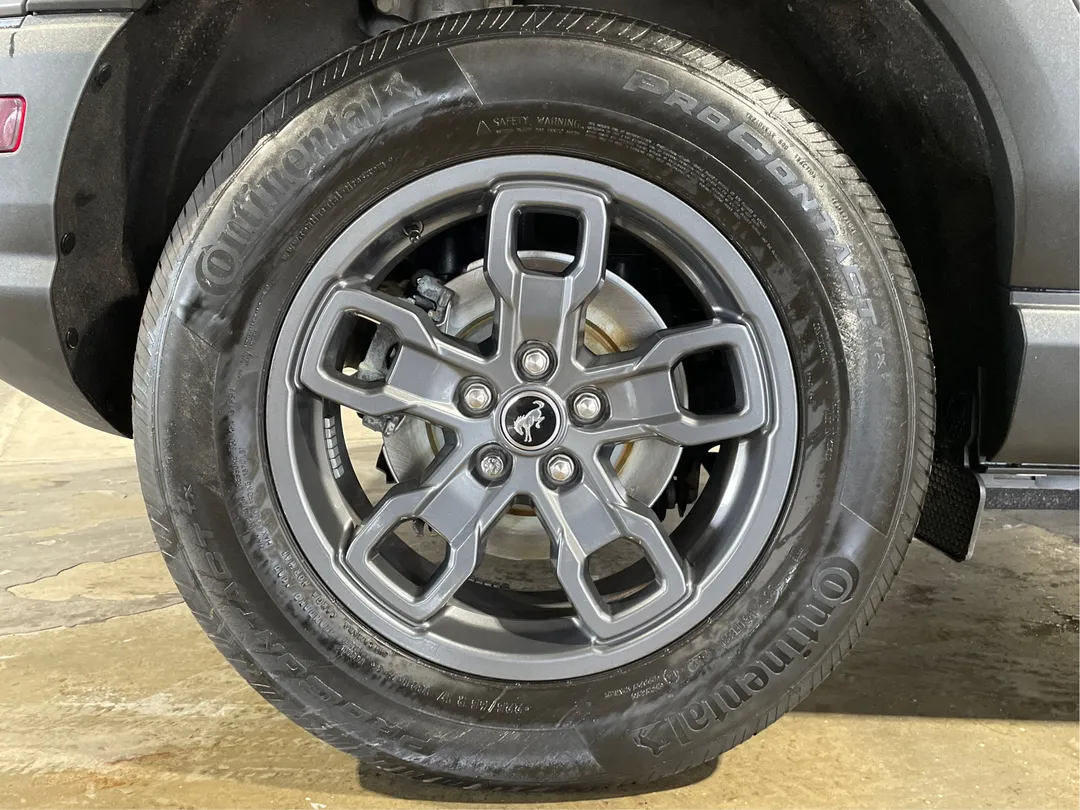

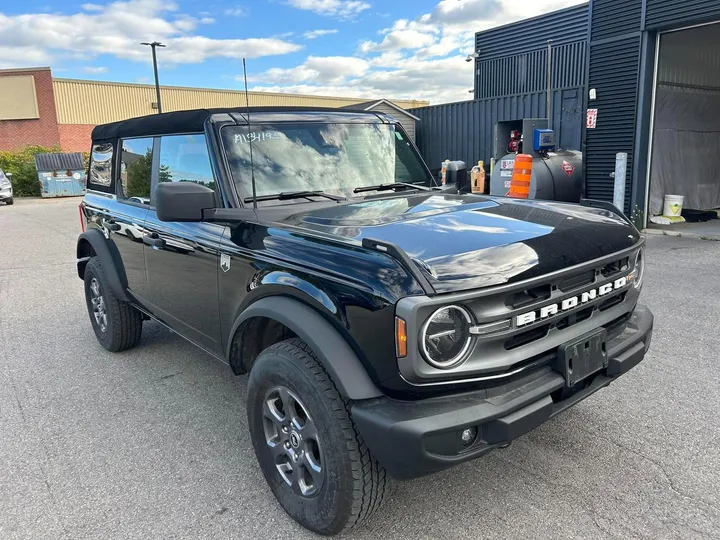
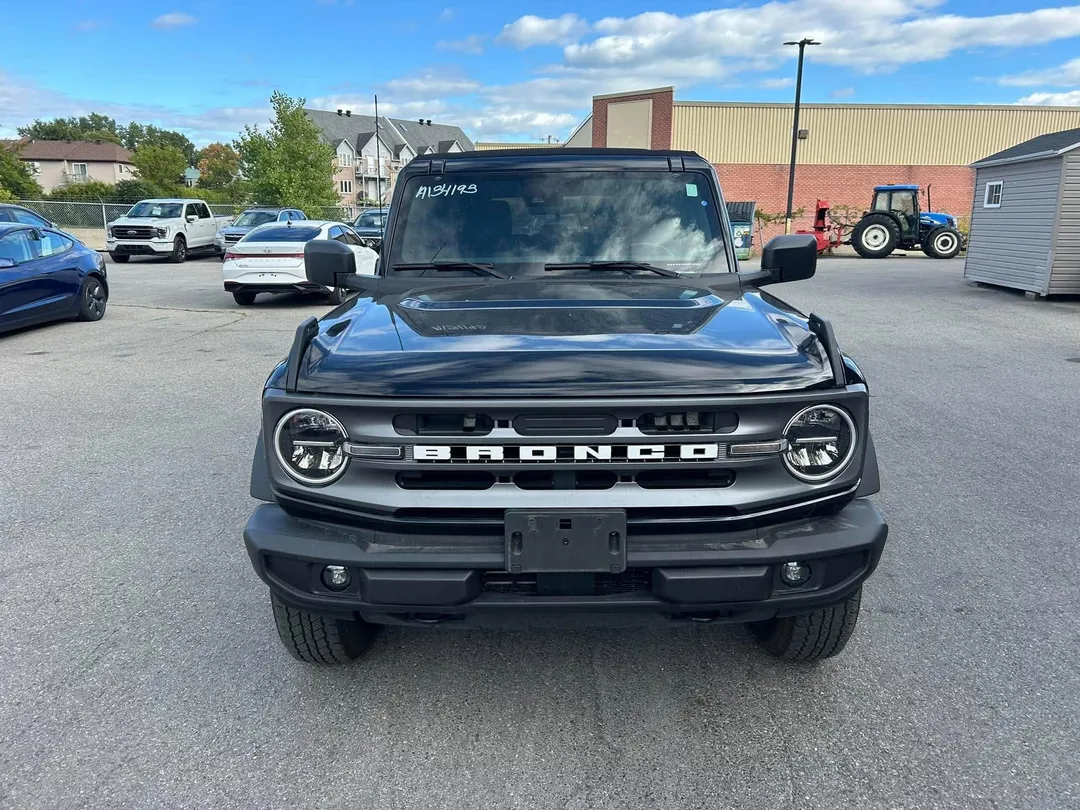
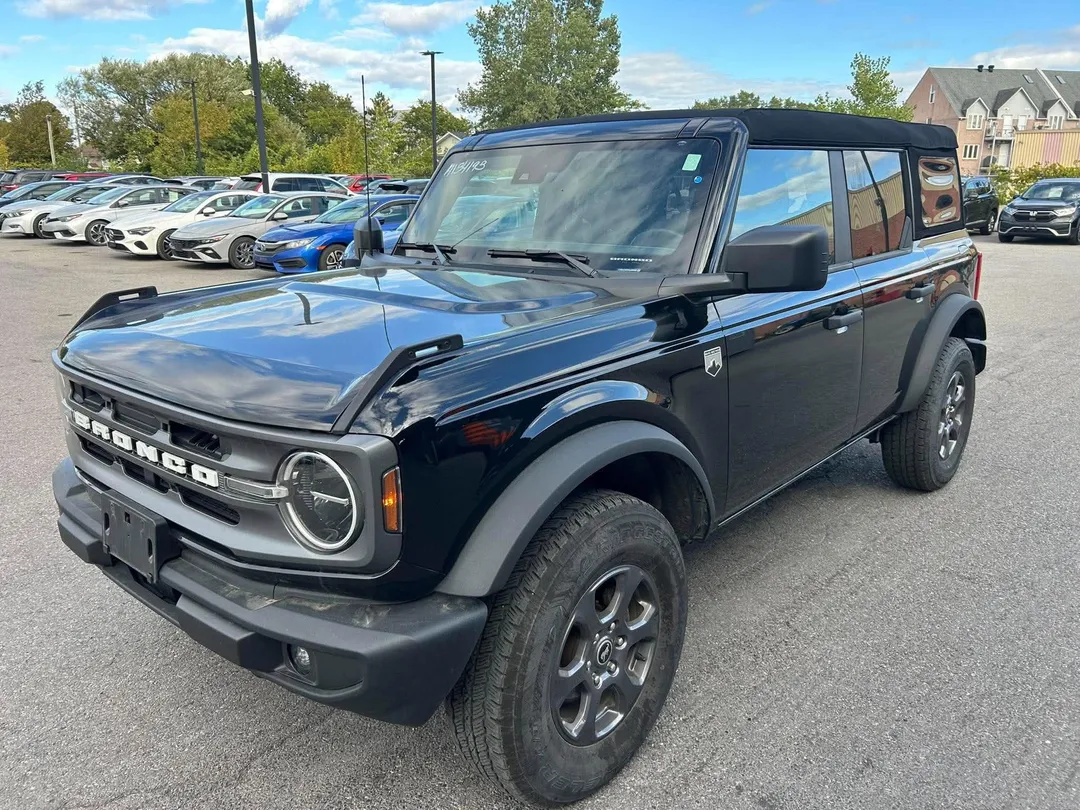
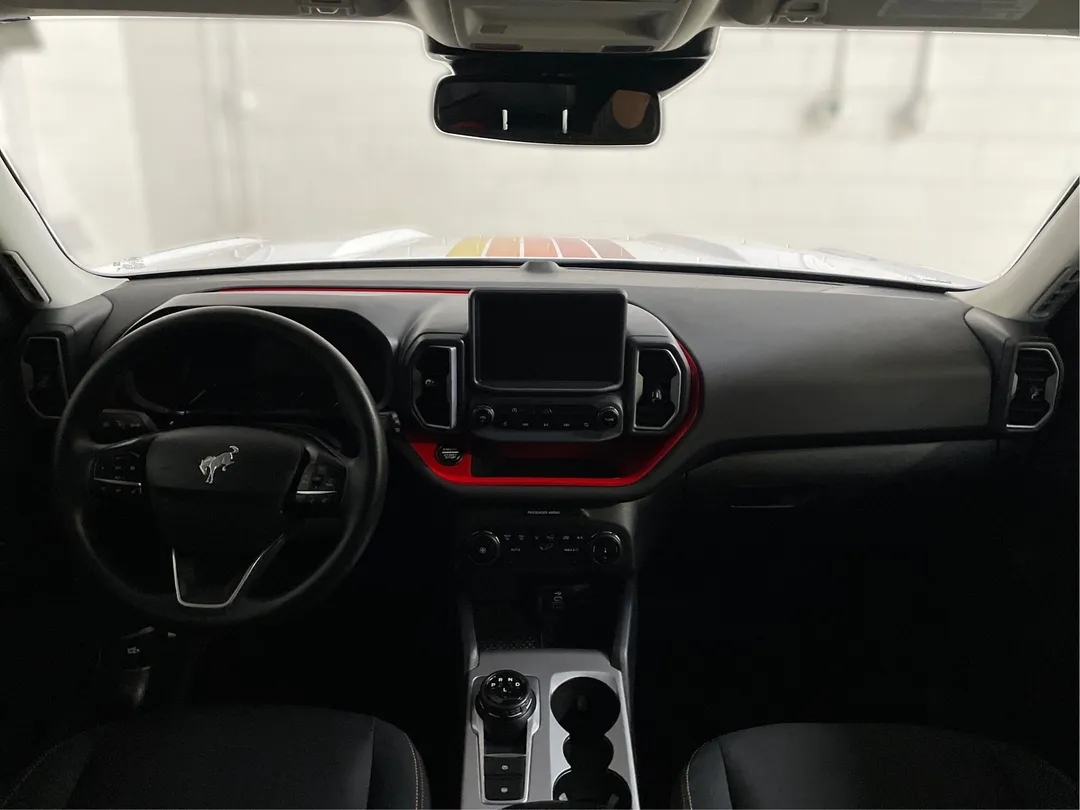
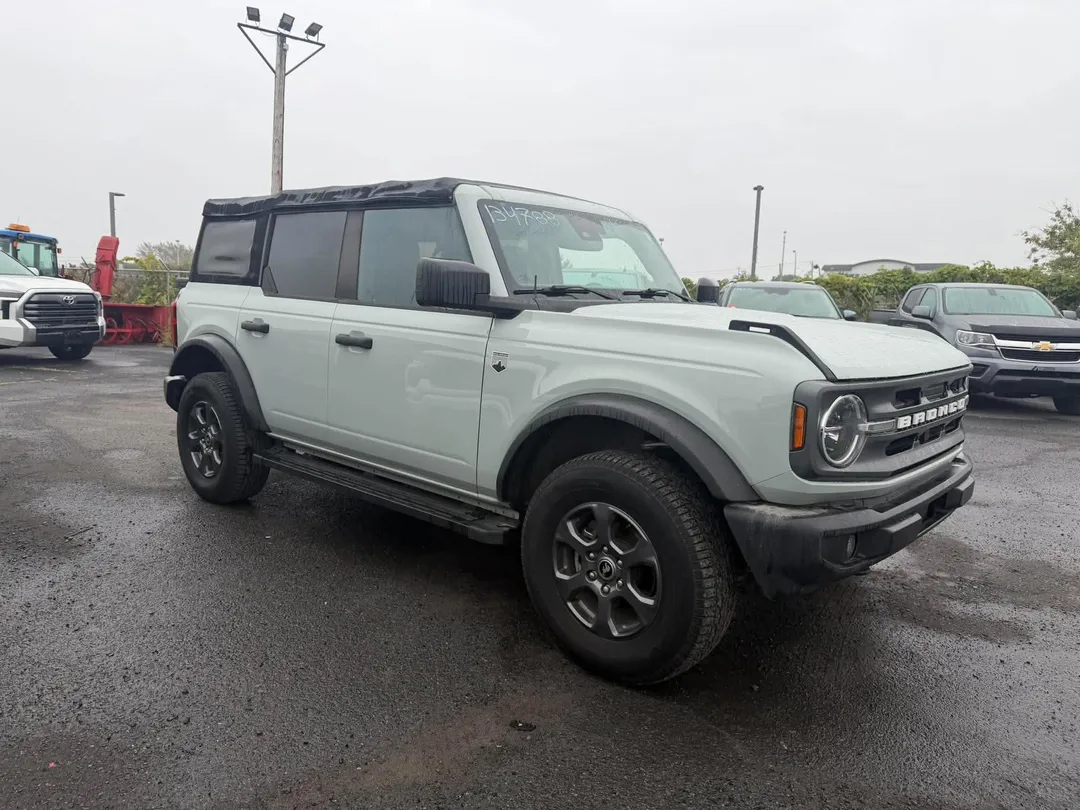
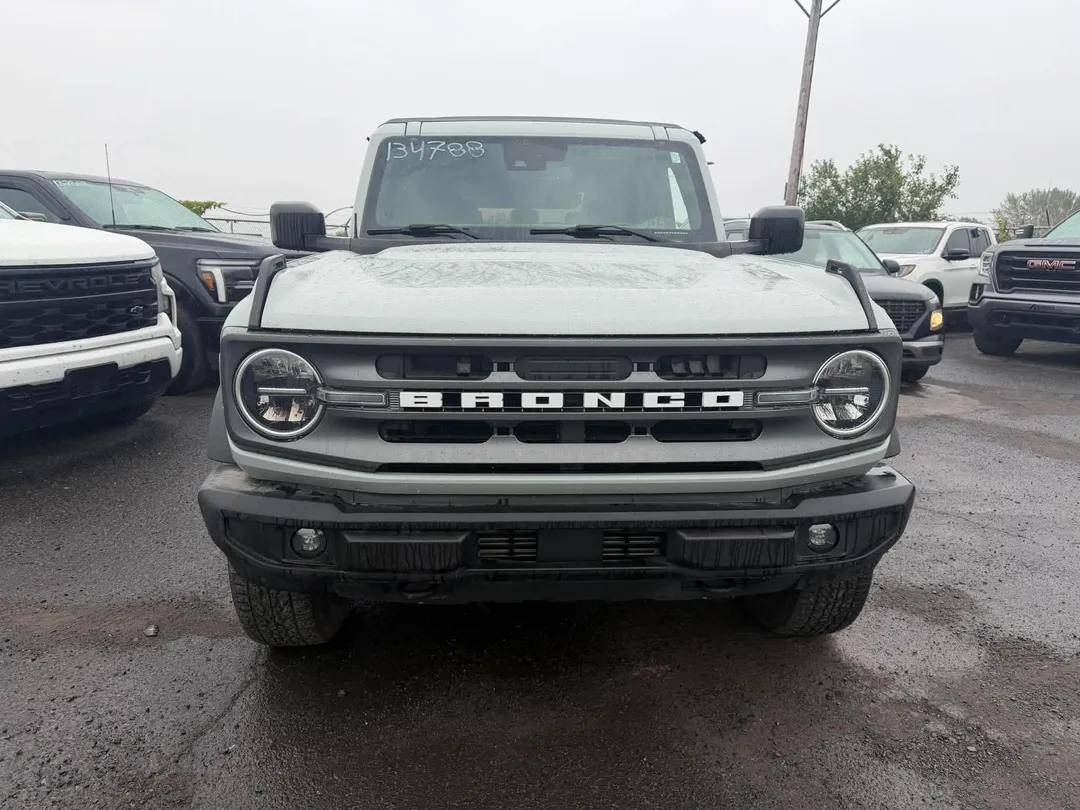
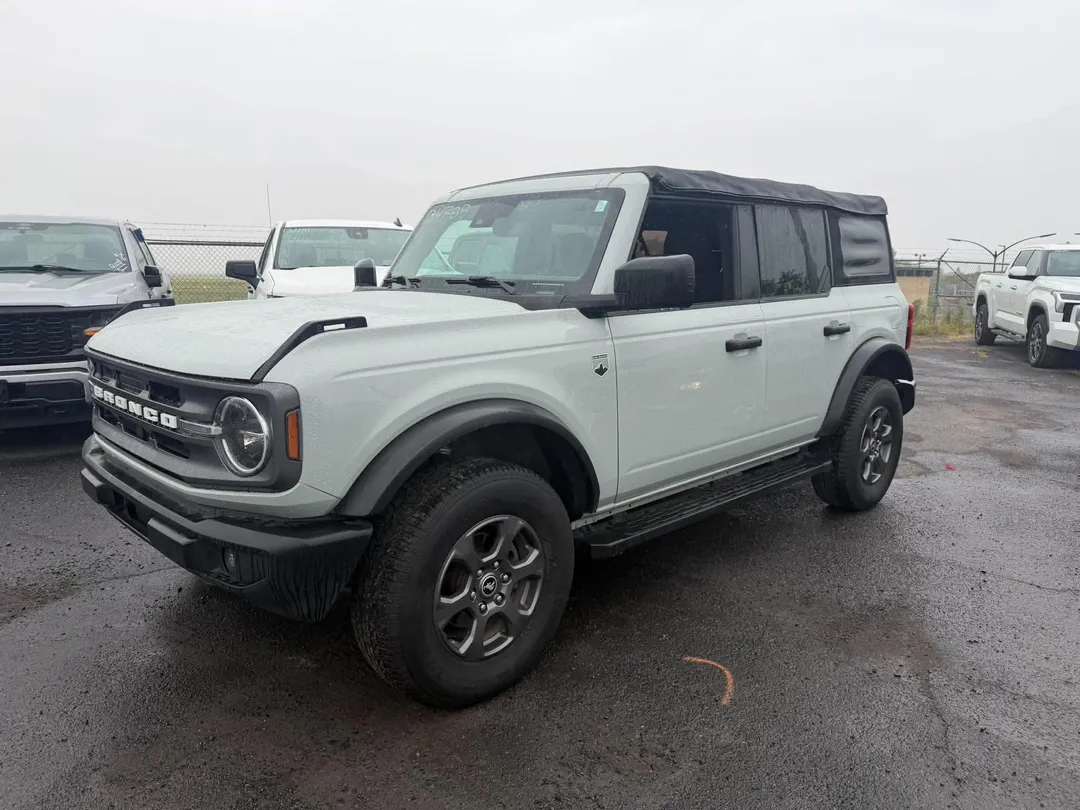
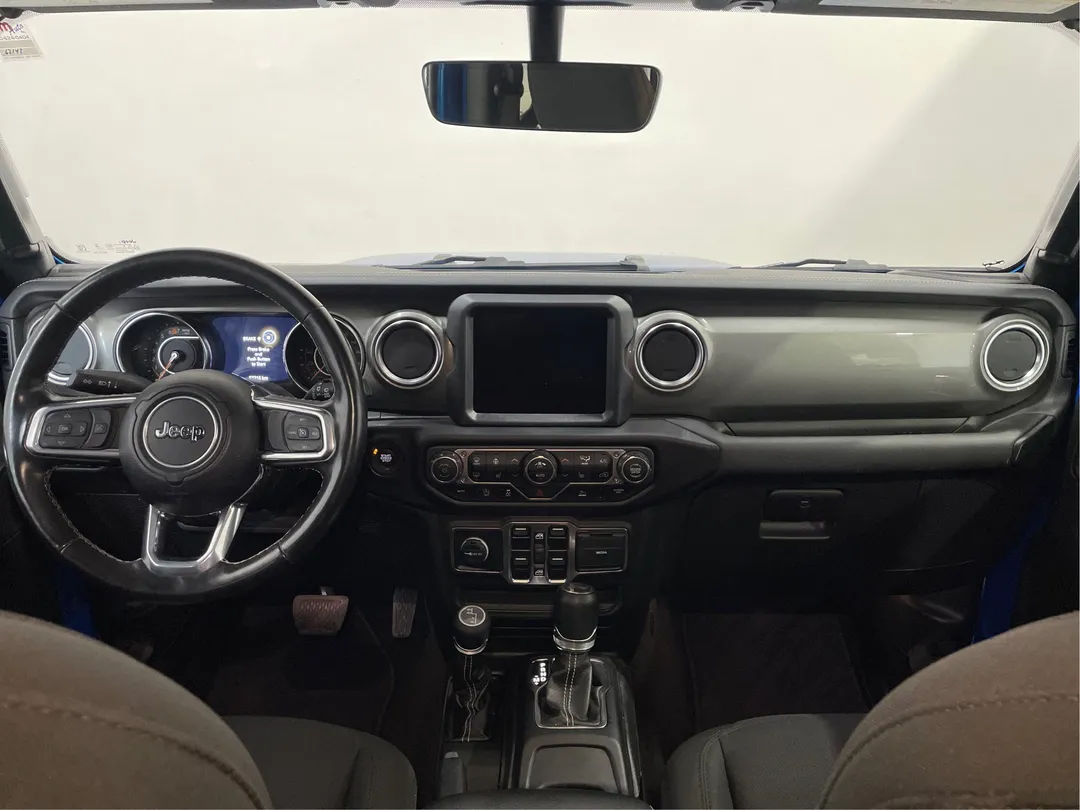
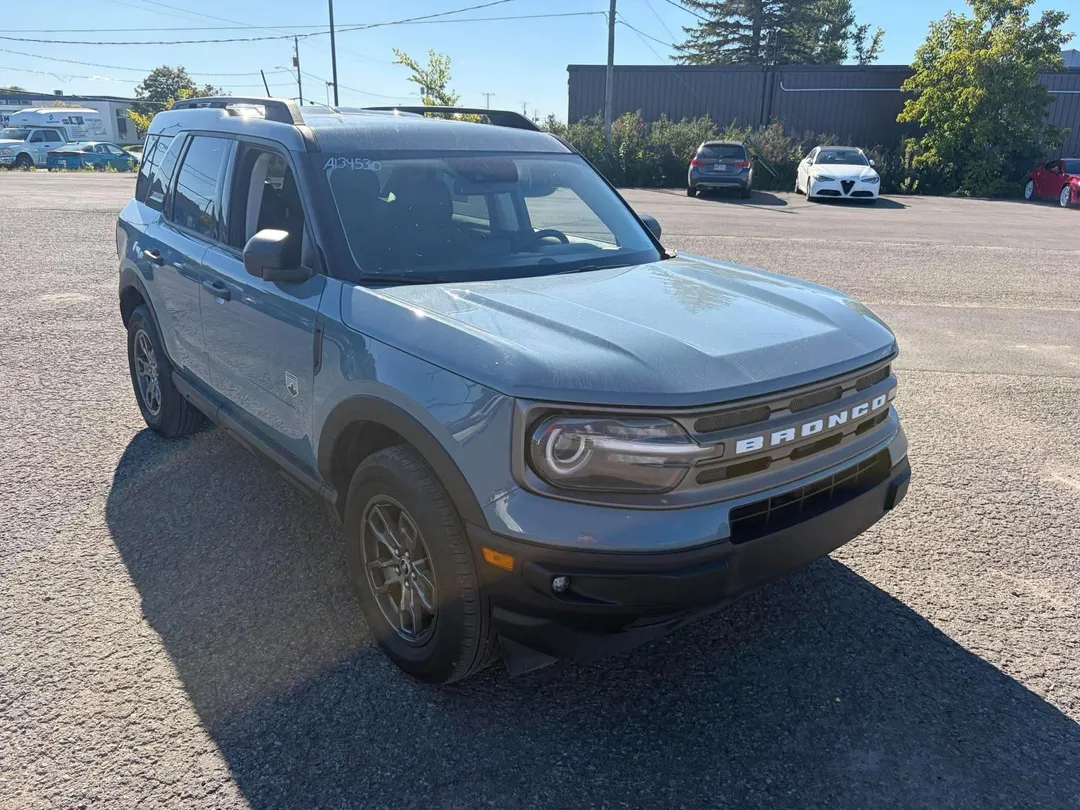
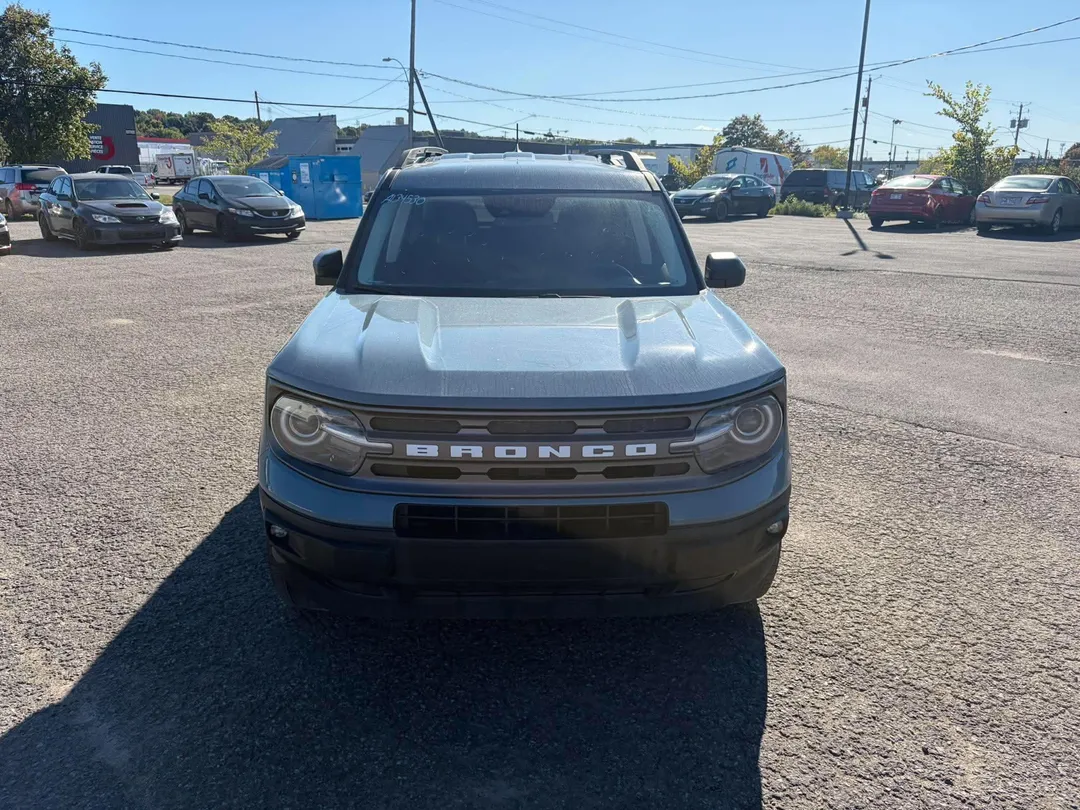
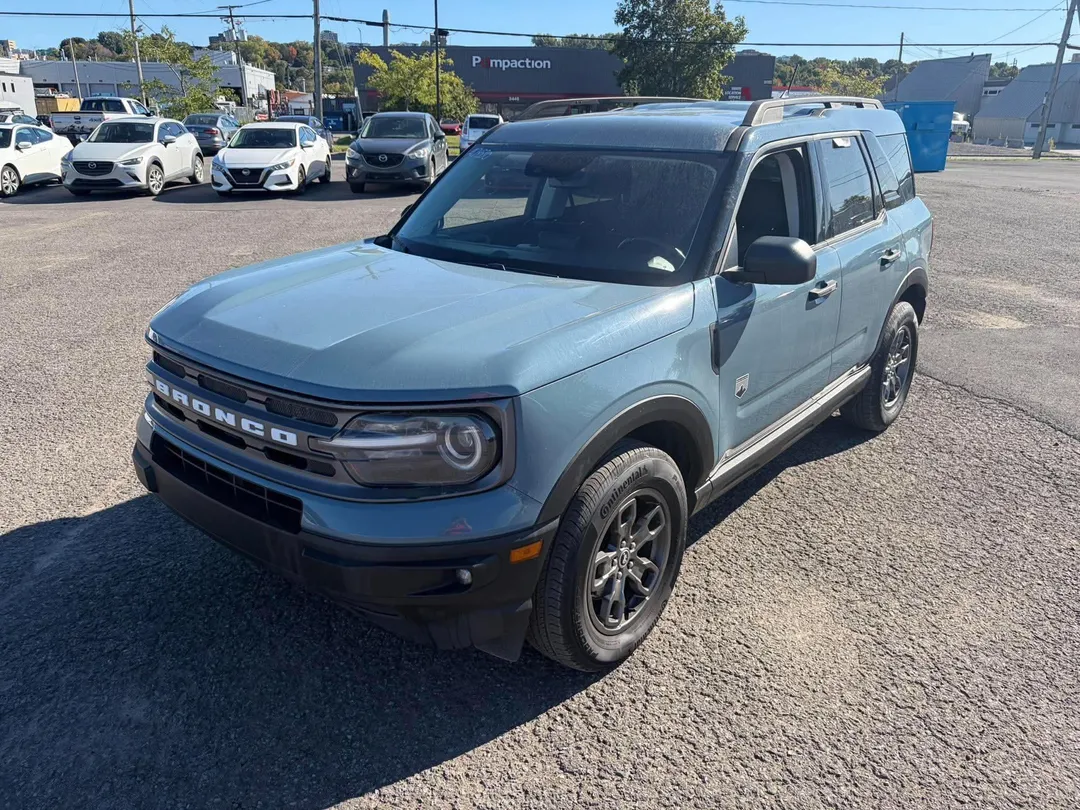

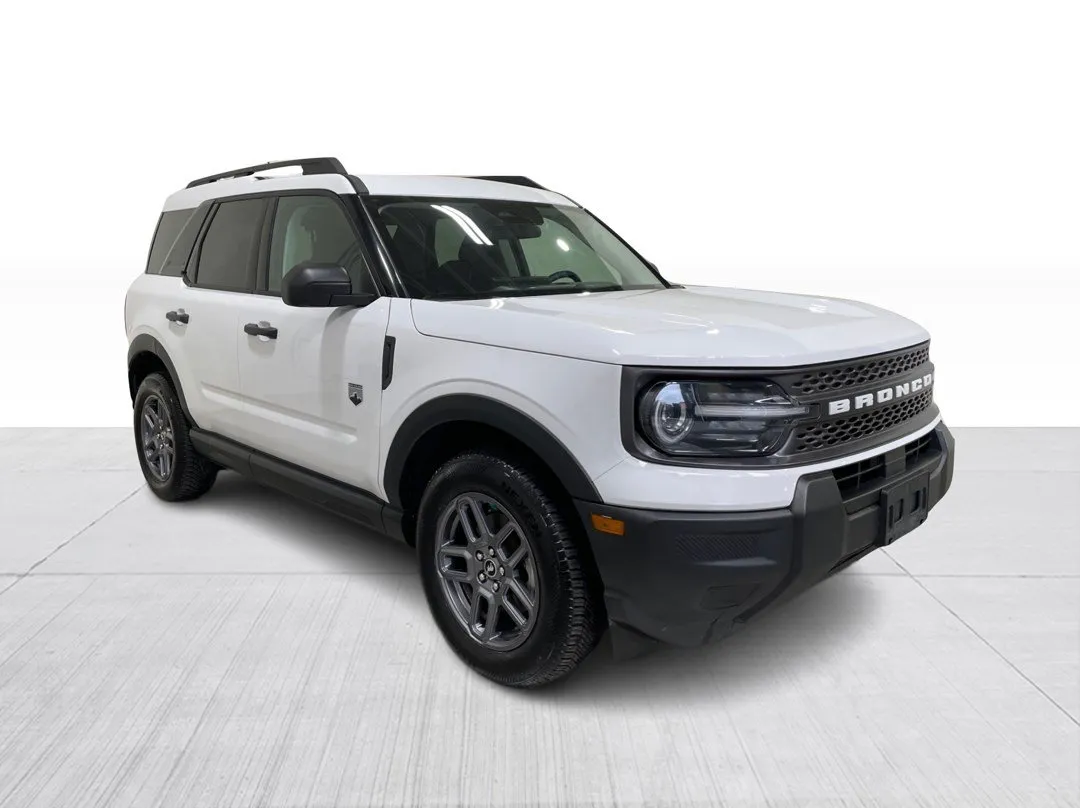
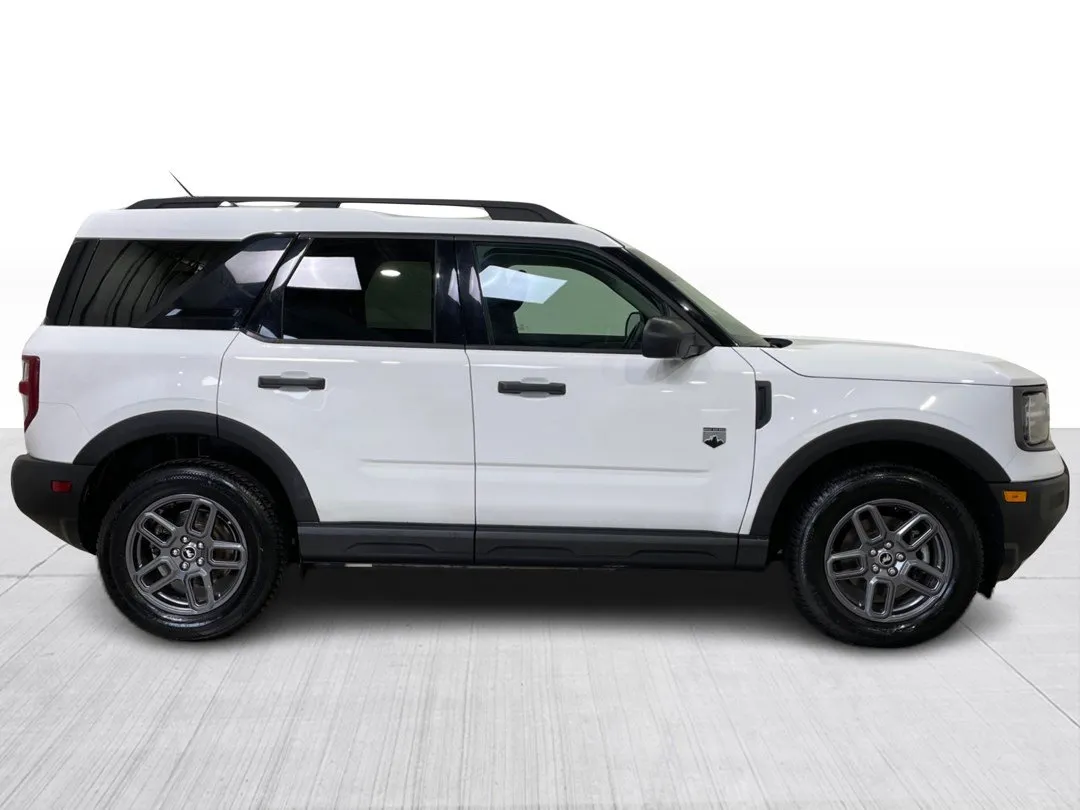
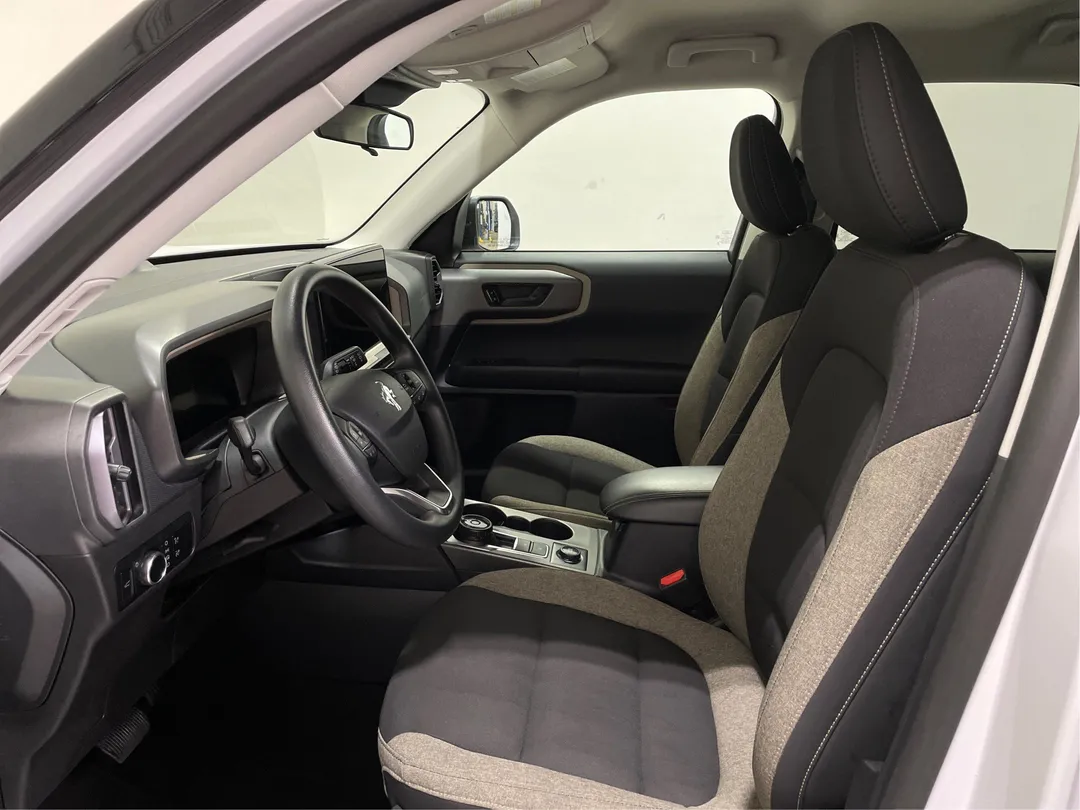
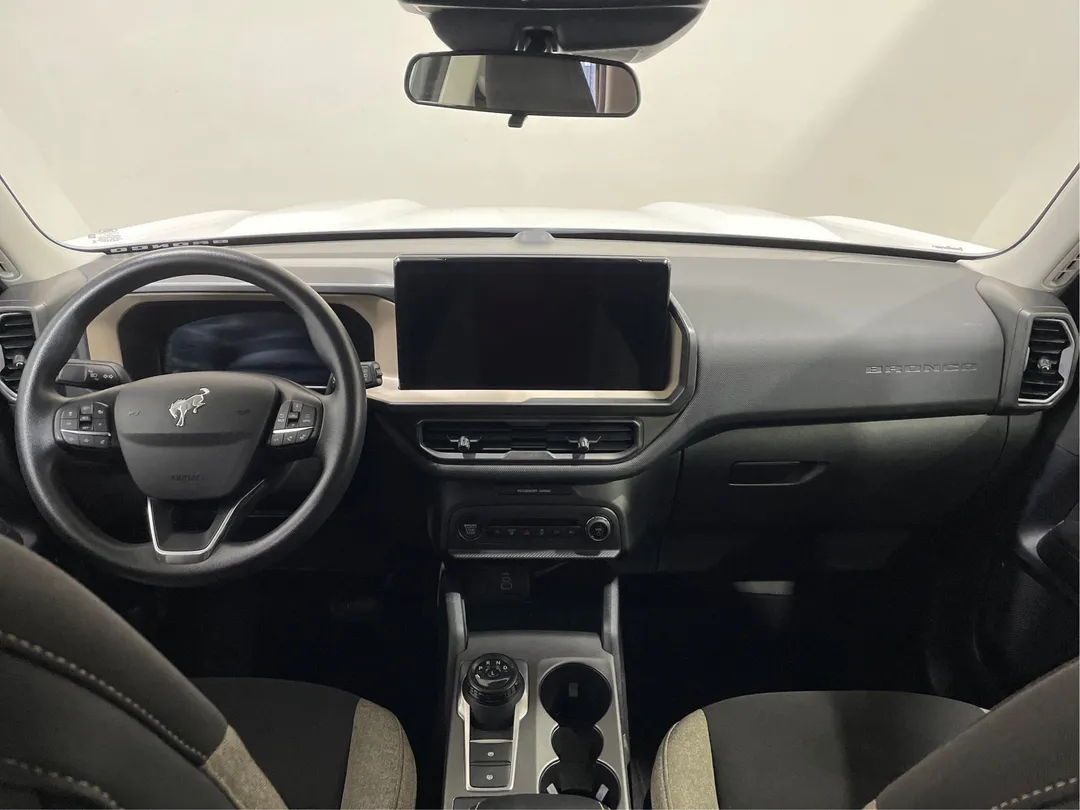
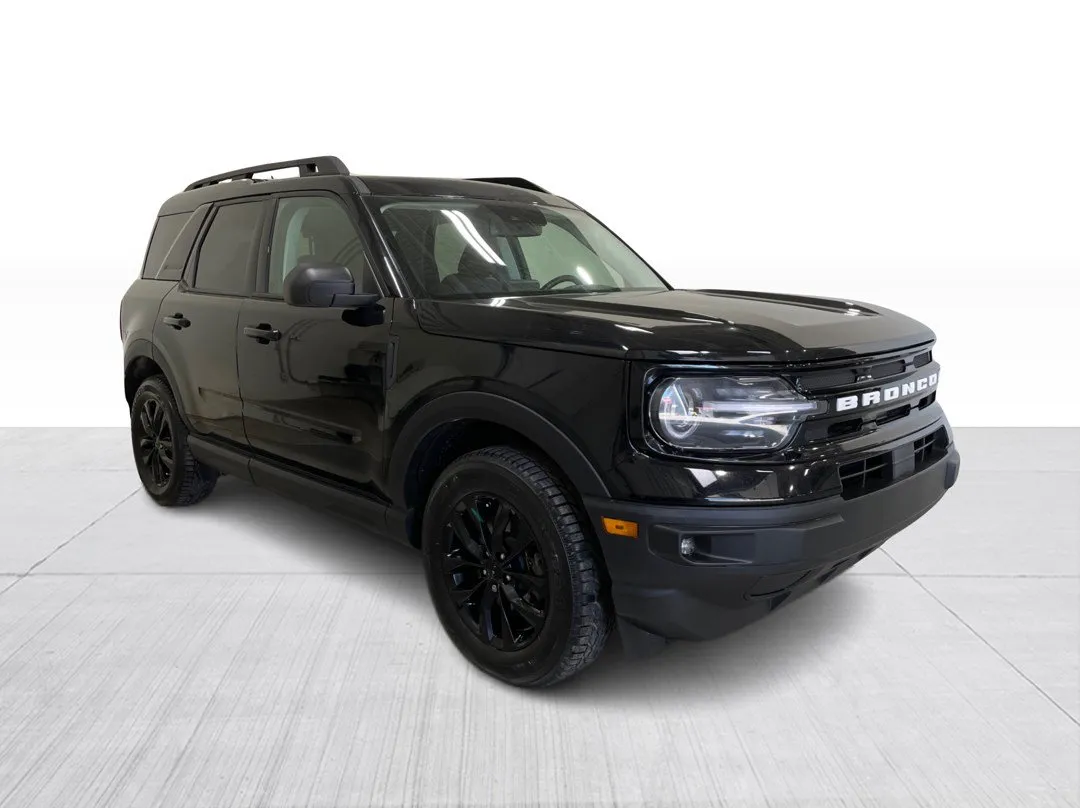
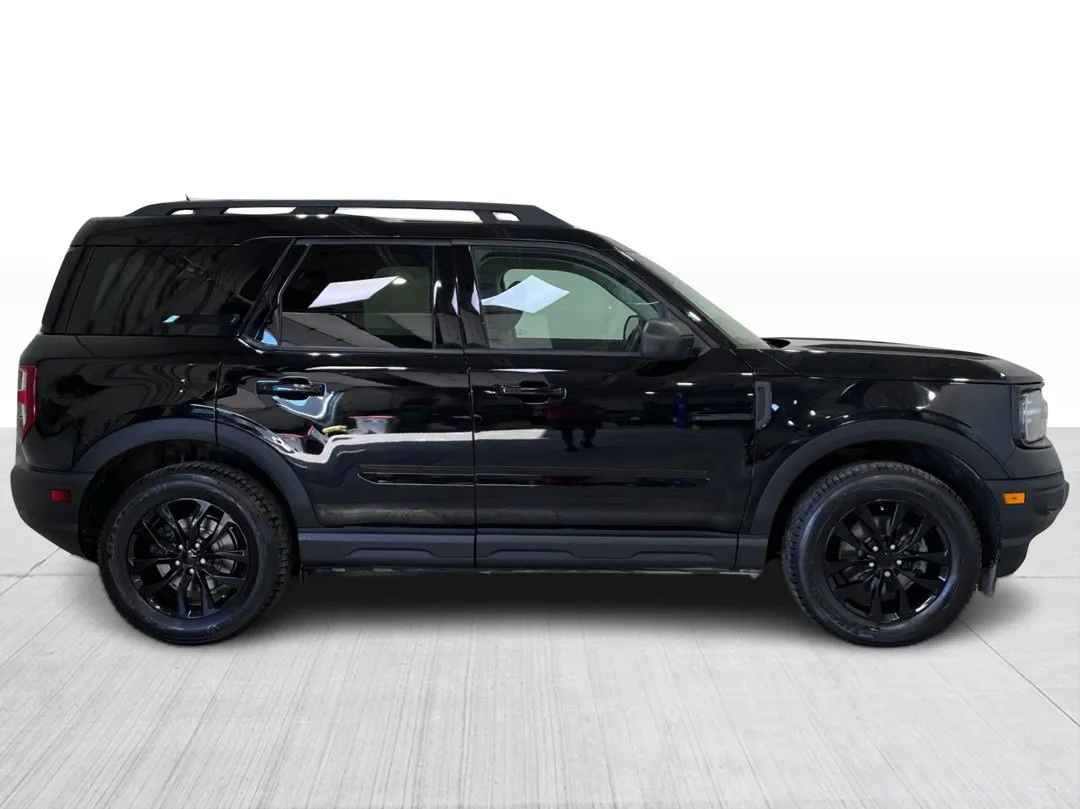
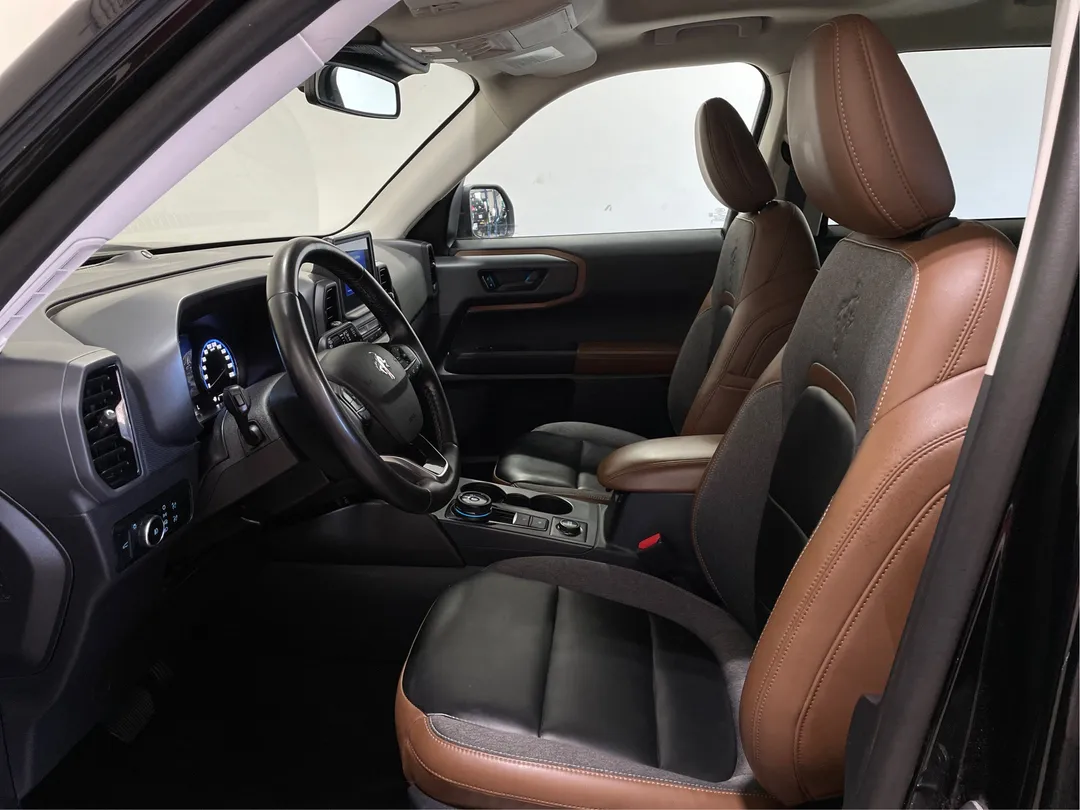
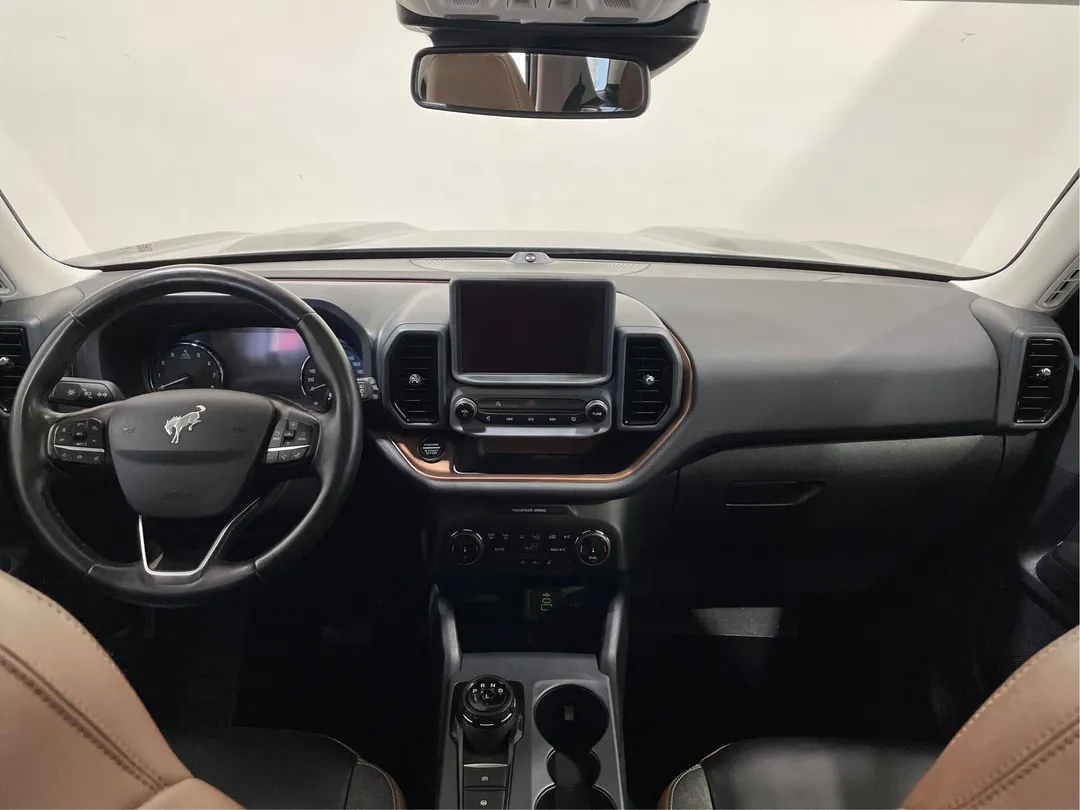
Which car offers the best interior space for road trips?
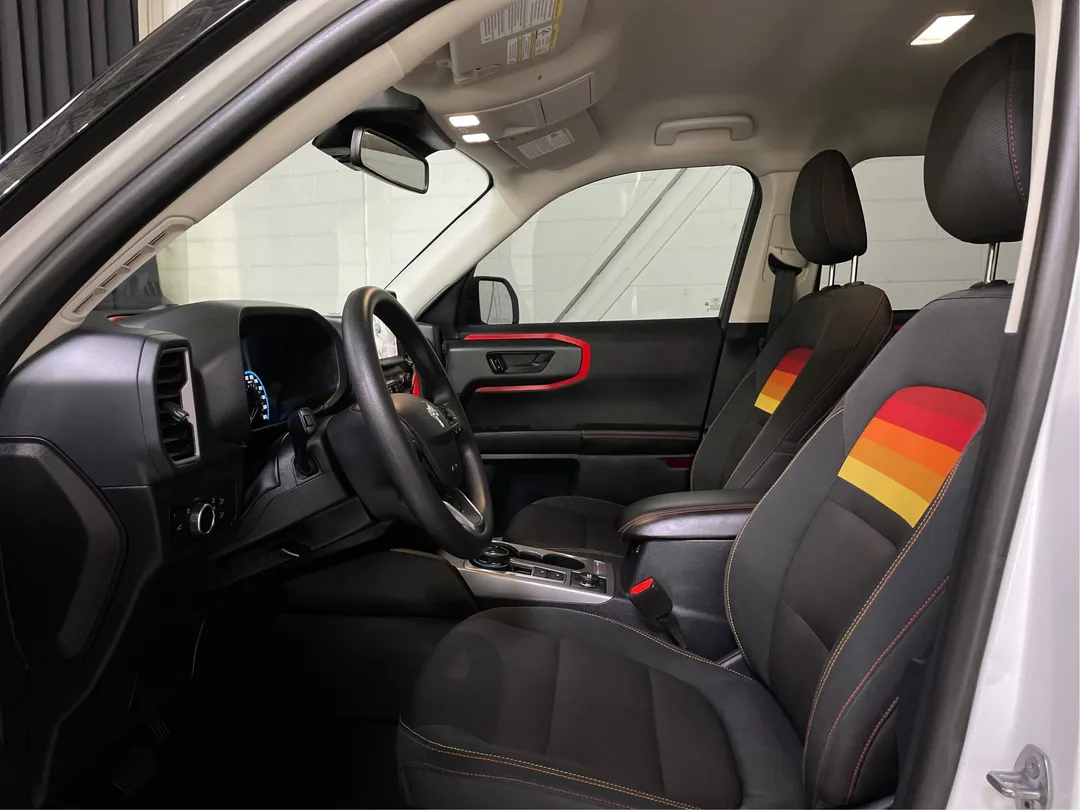
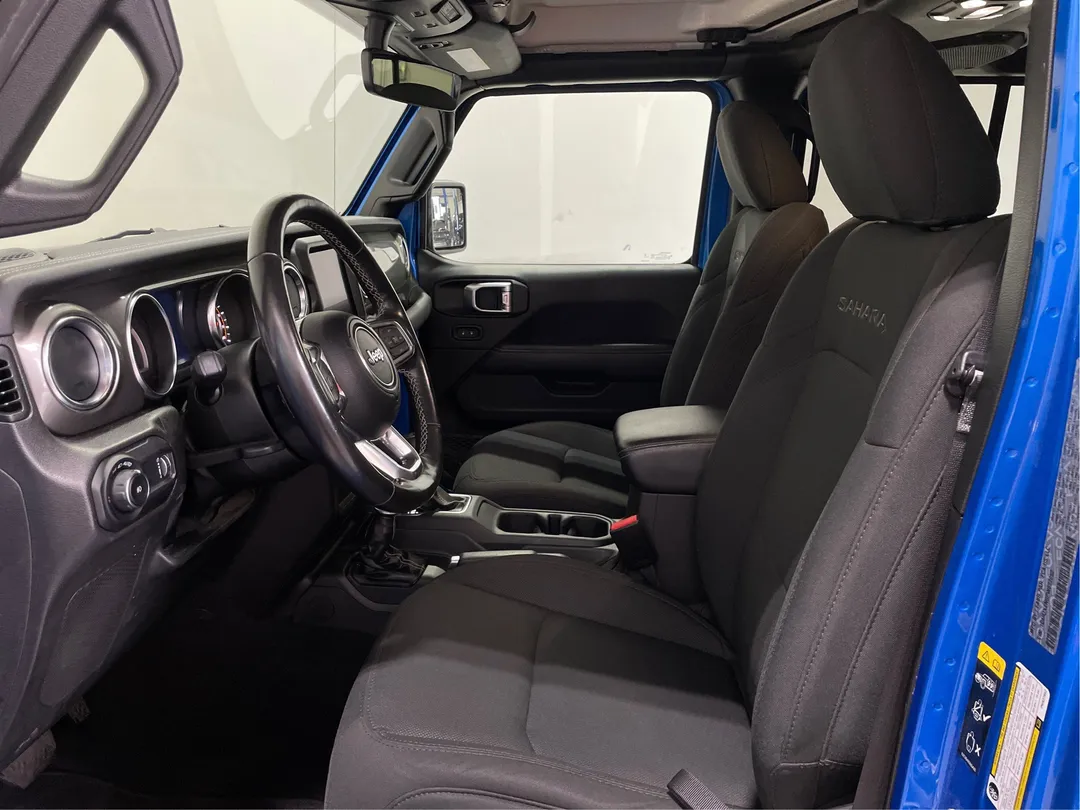
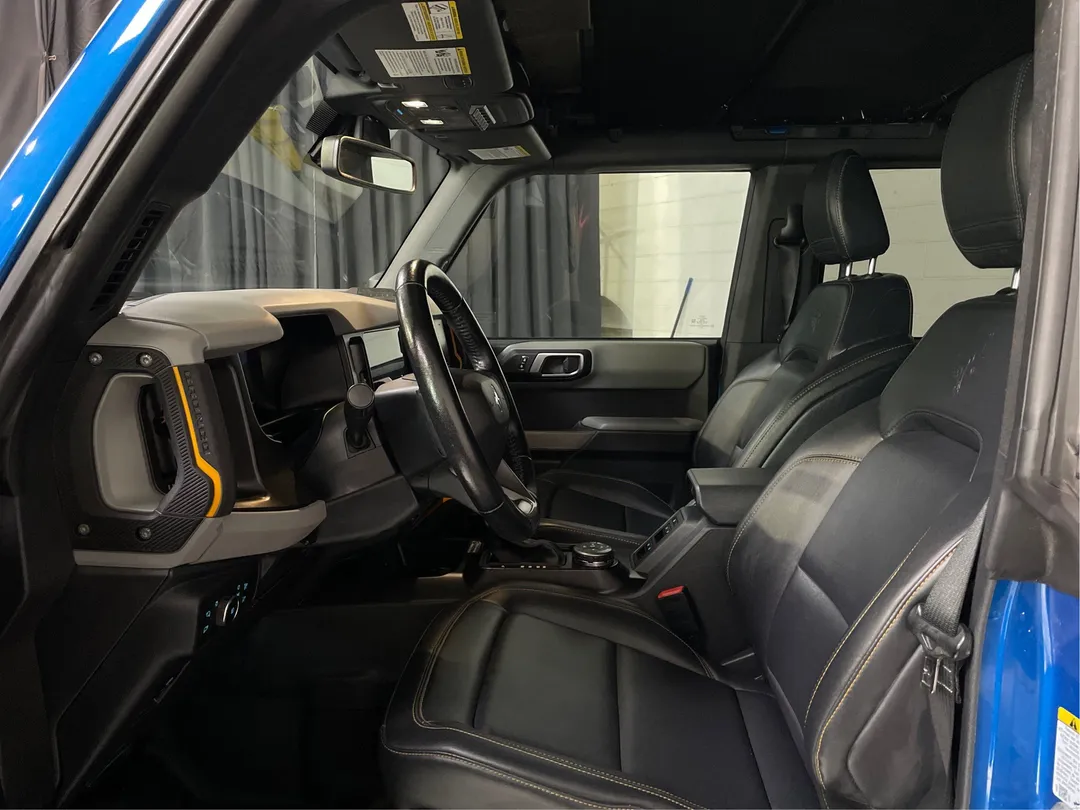
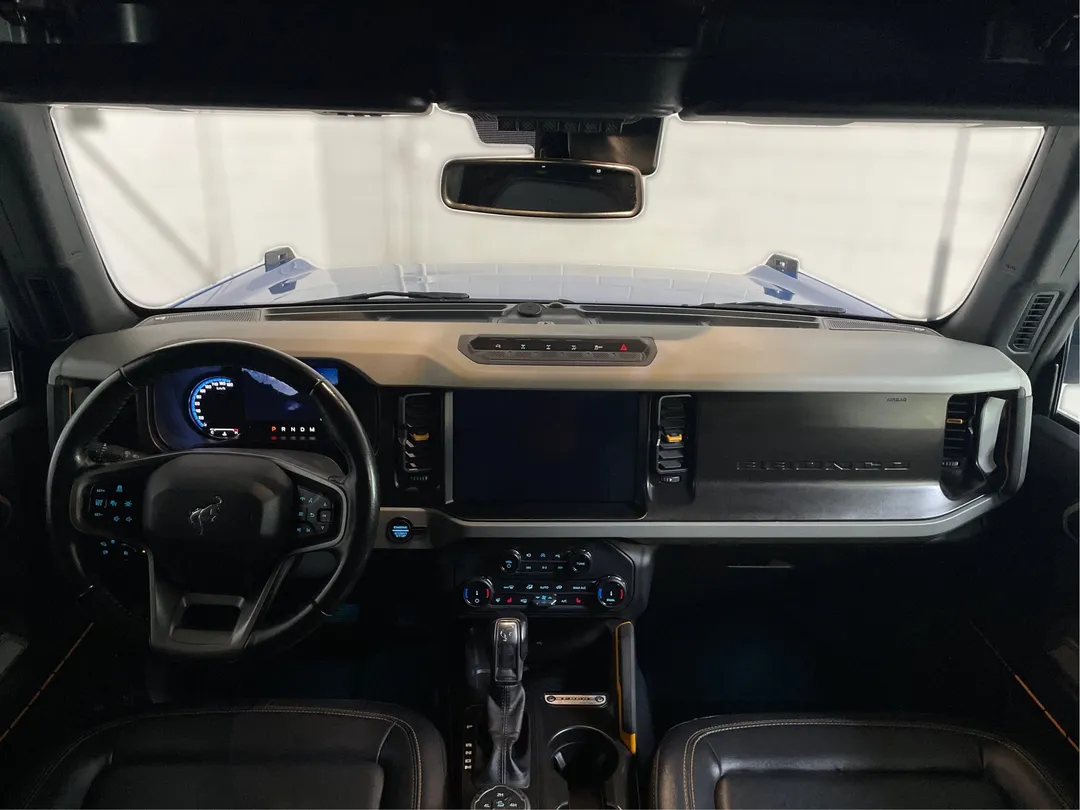
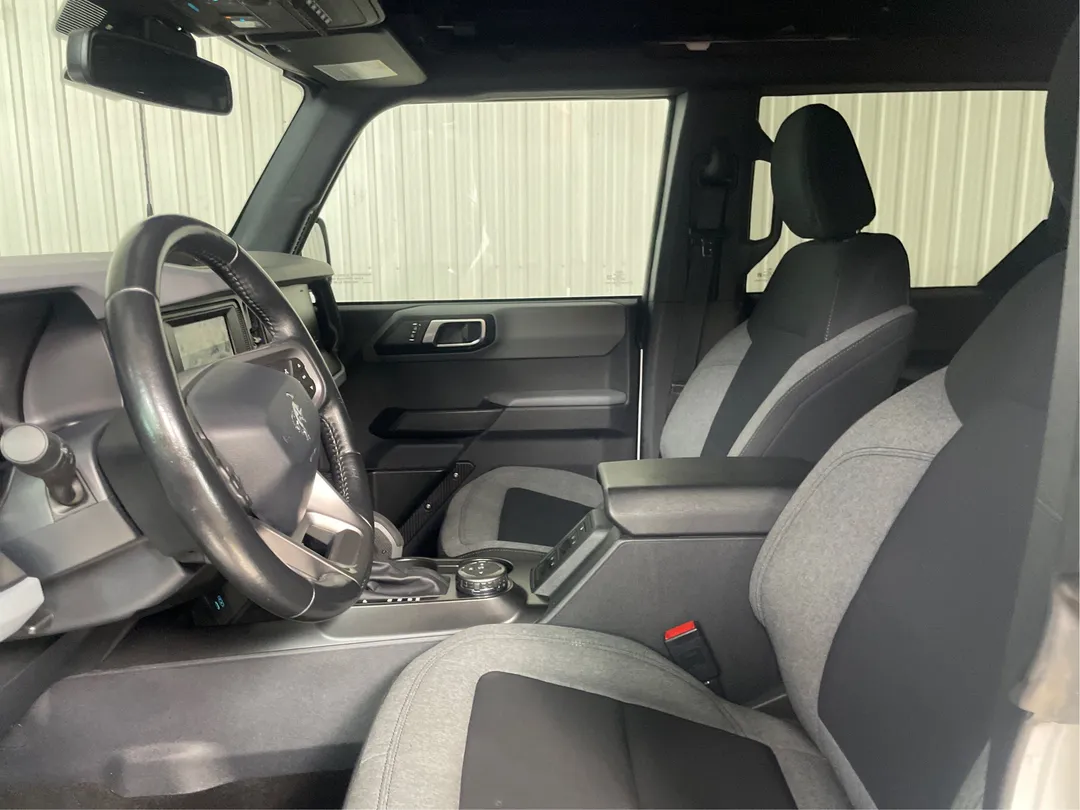
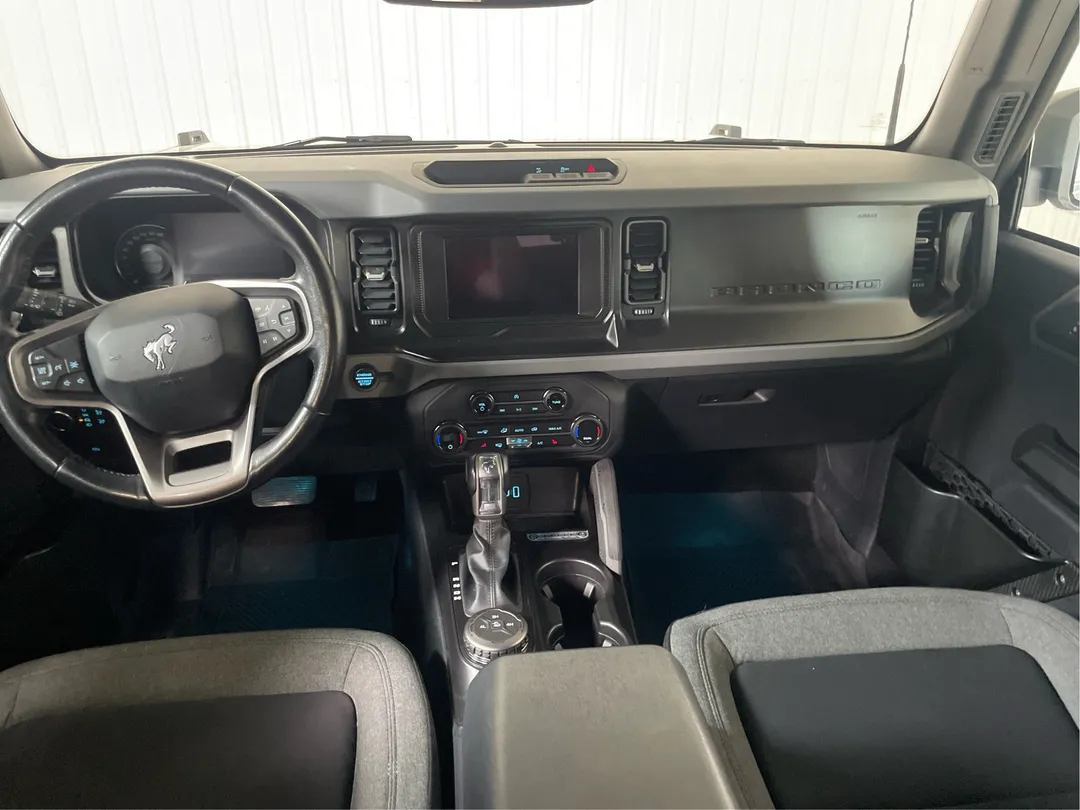
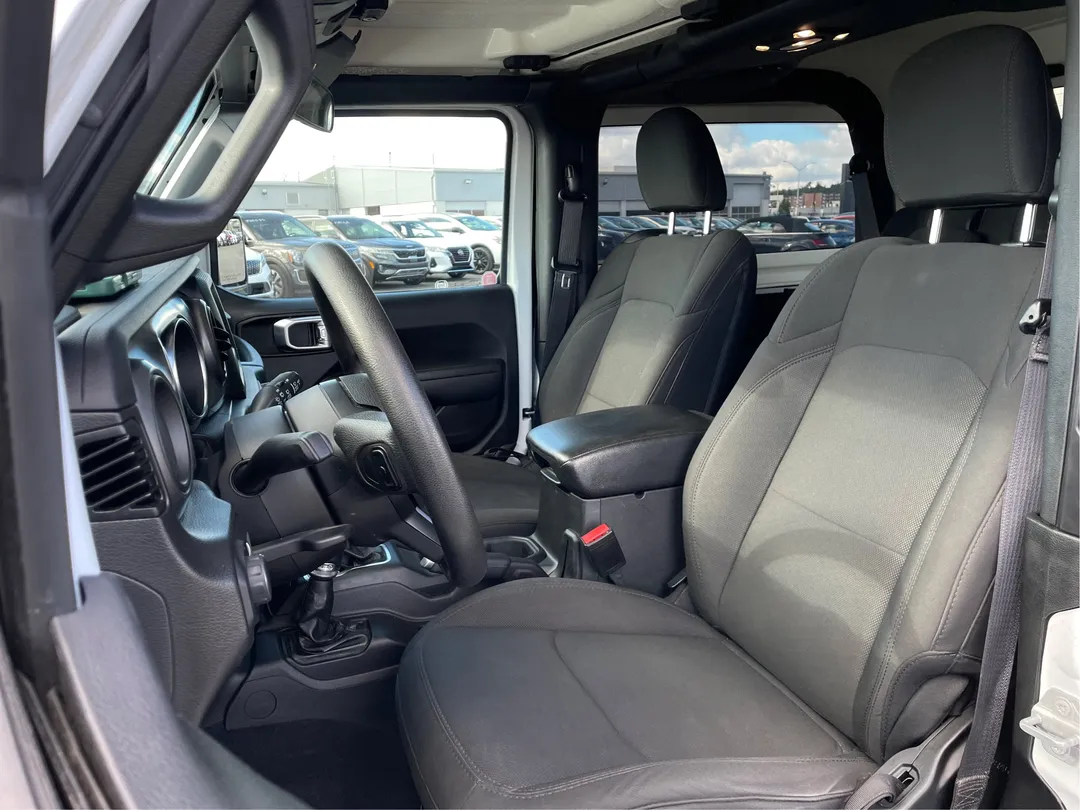
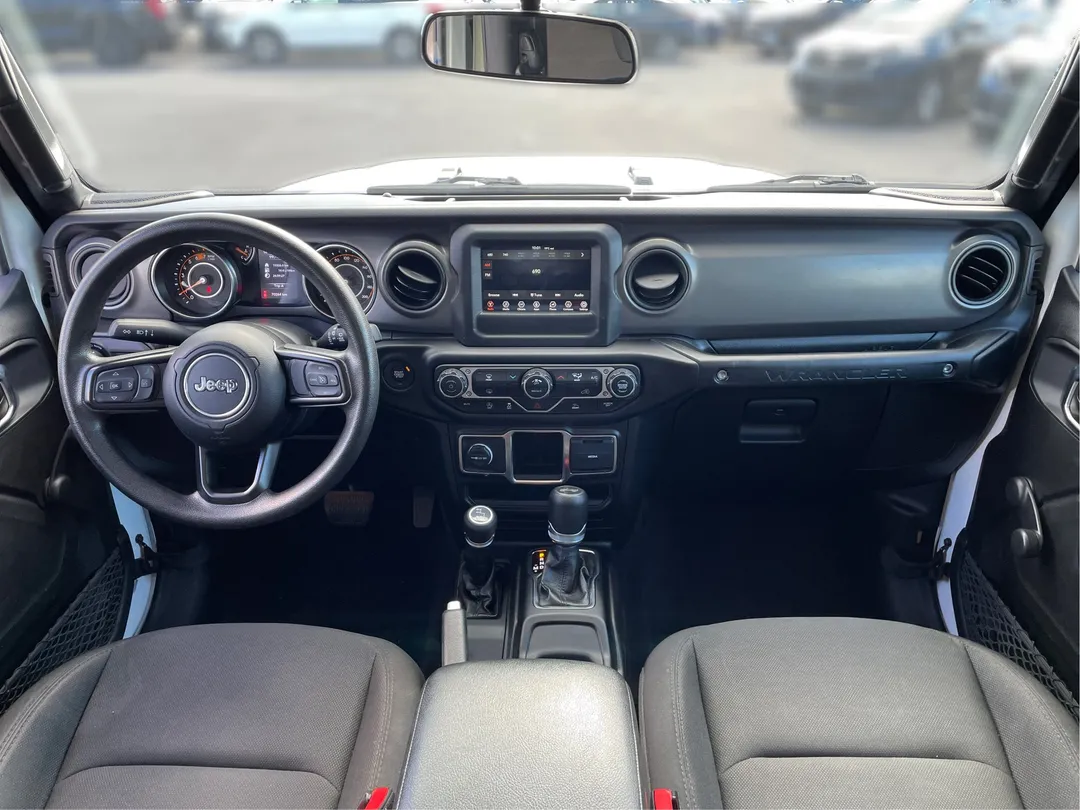
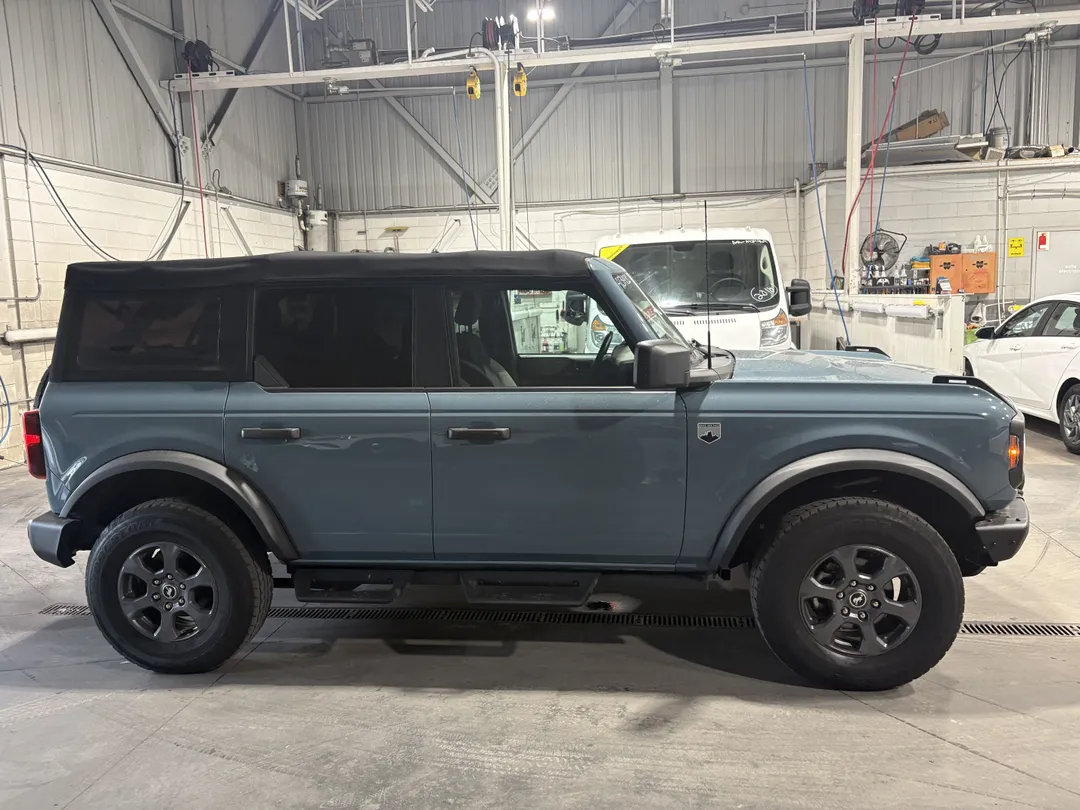
When it comes to road trips, cargo space, and interior comfort, the Ford Bronco generally has the edge. Its interior space is better optimized, offering more room for passengers and more practical luggage space. The interior layout promotes better ergonomics, making long journeys more enjoyable, especially for families or well-equipped adventurers.
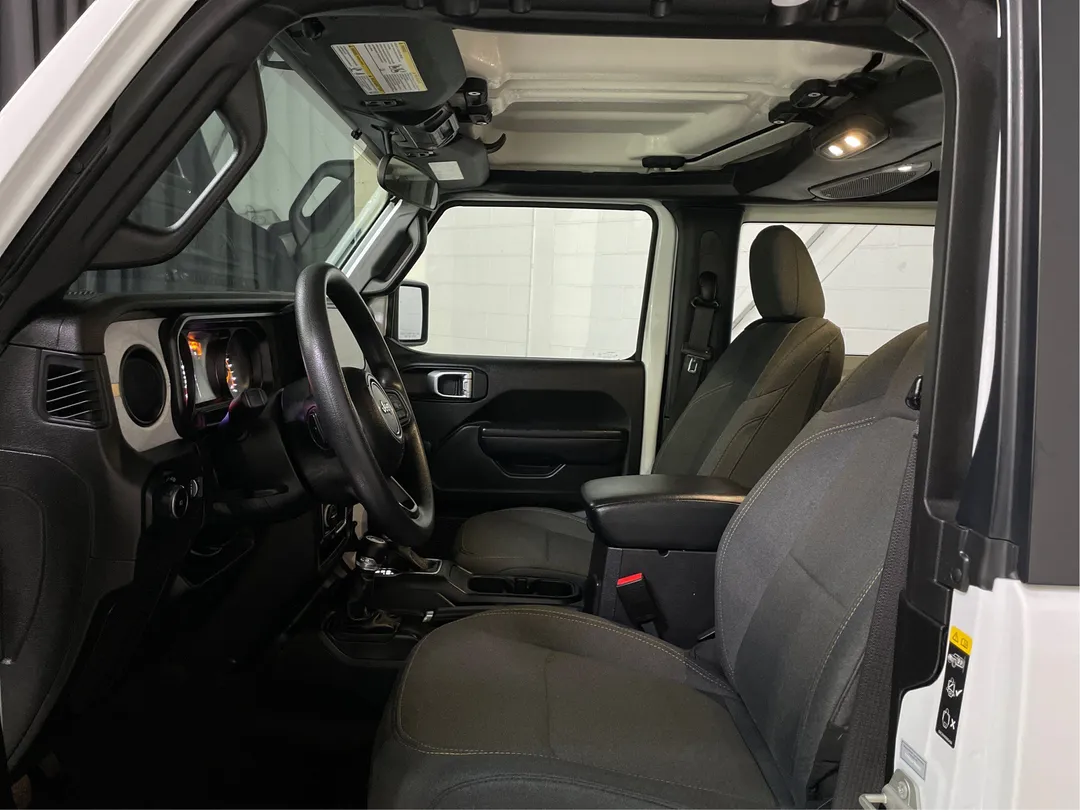
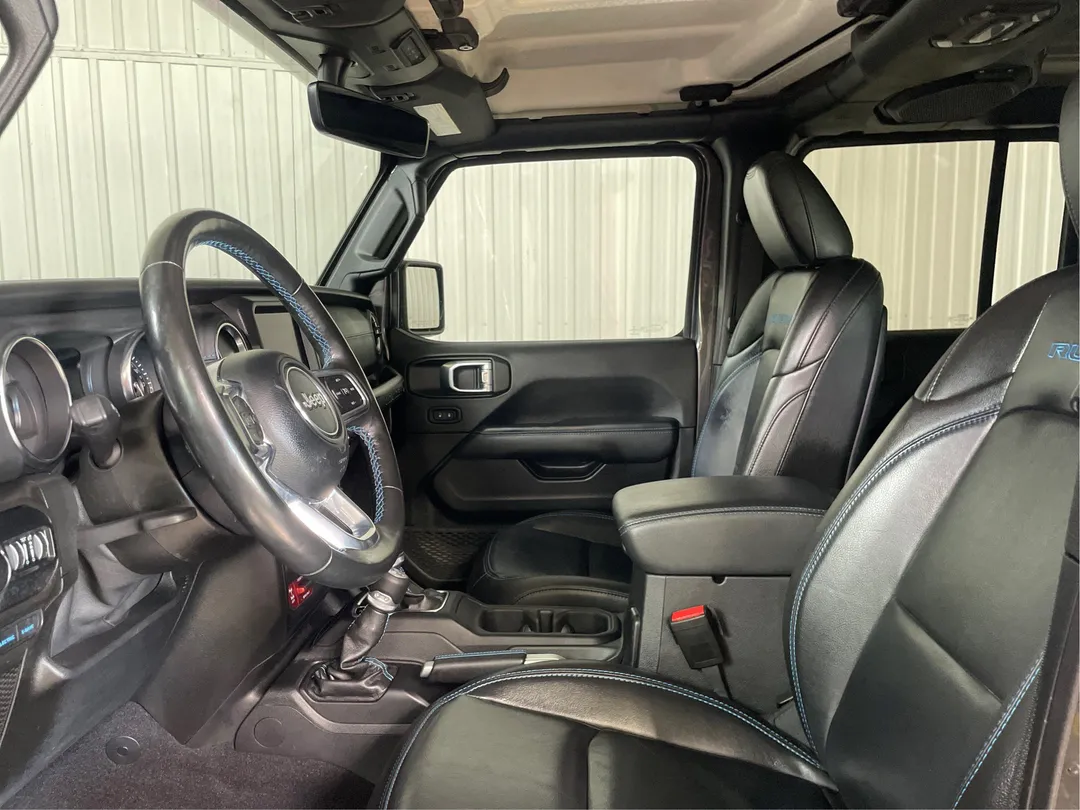
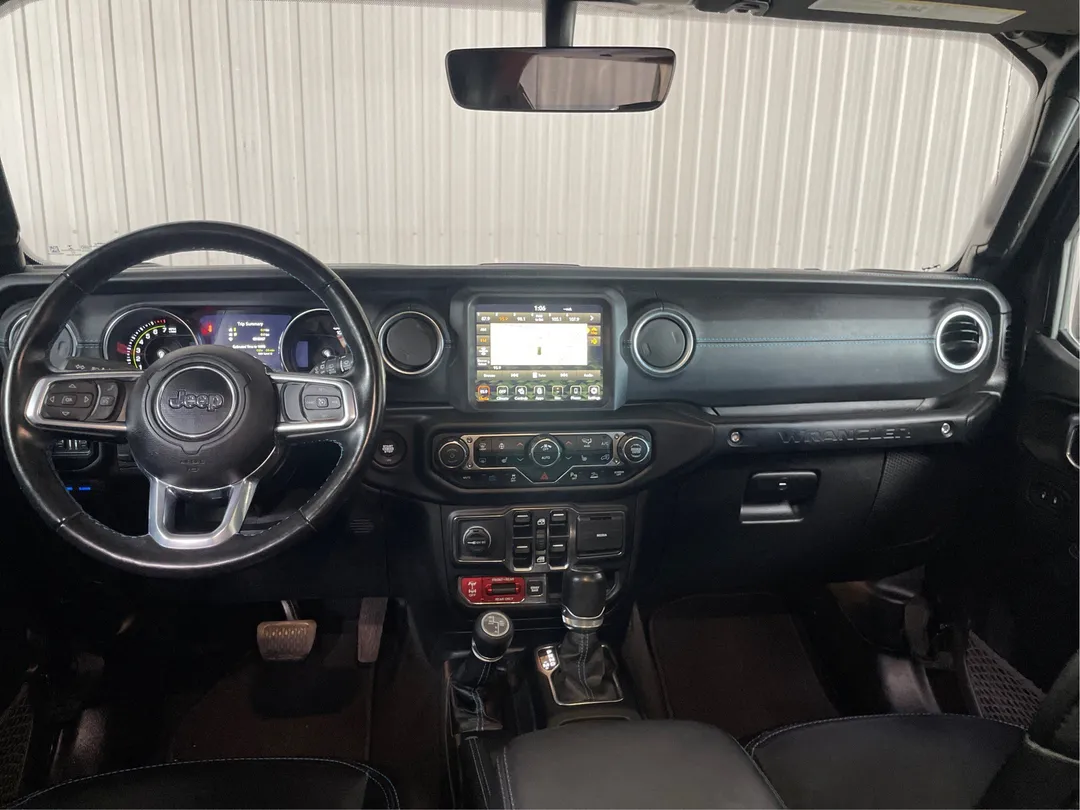
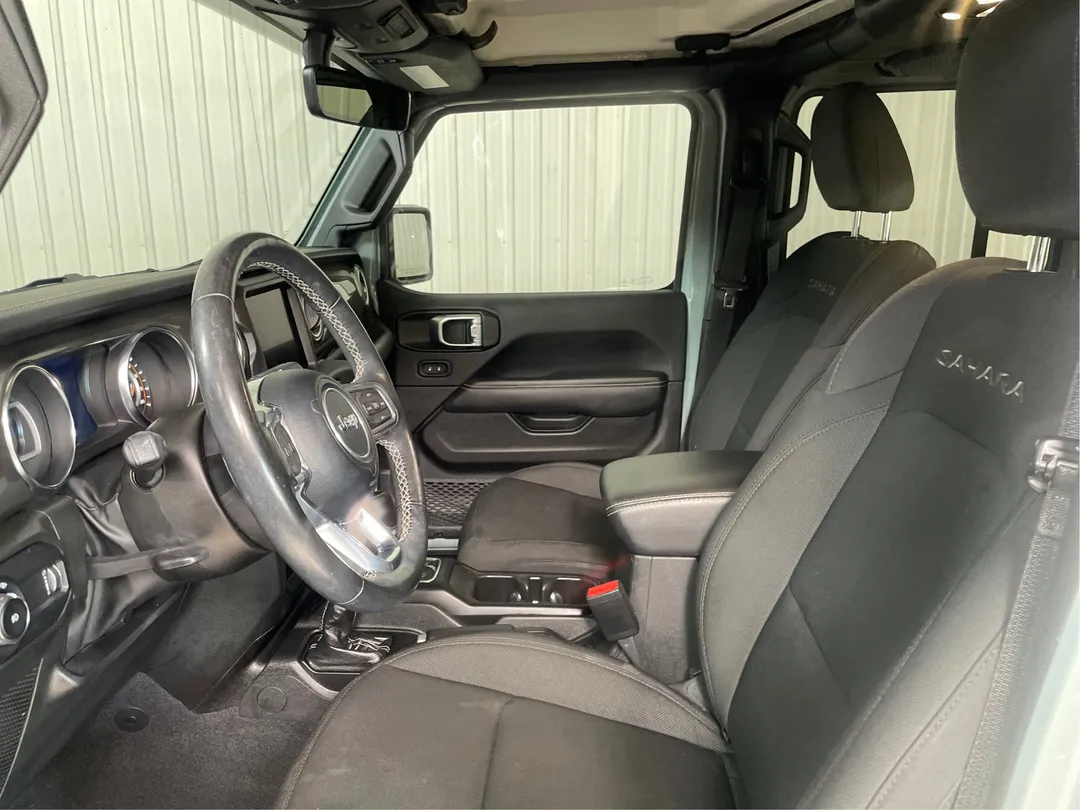
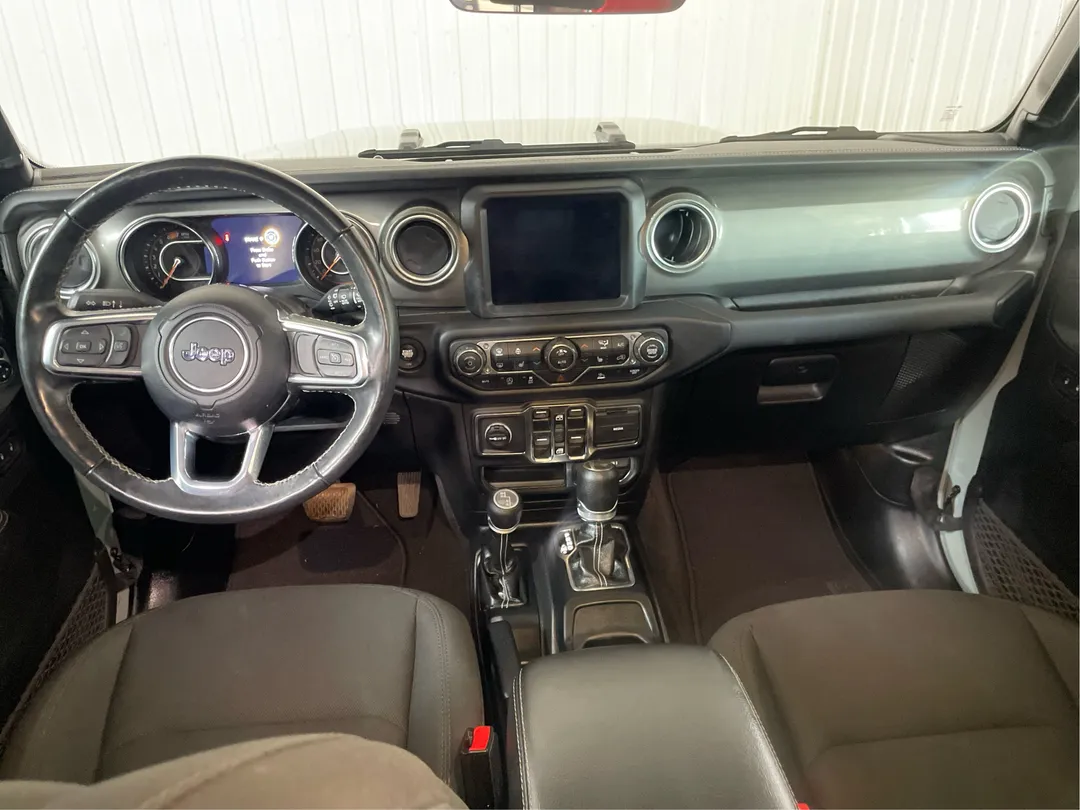
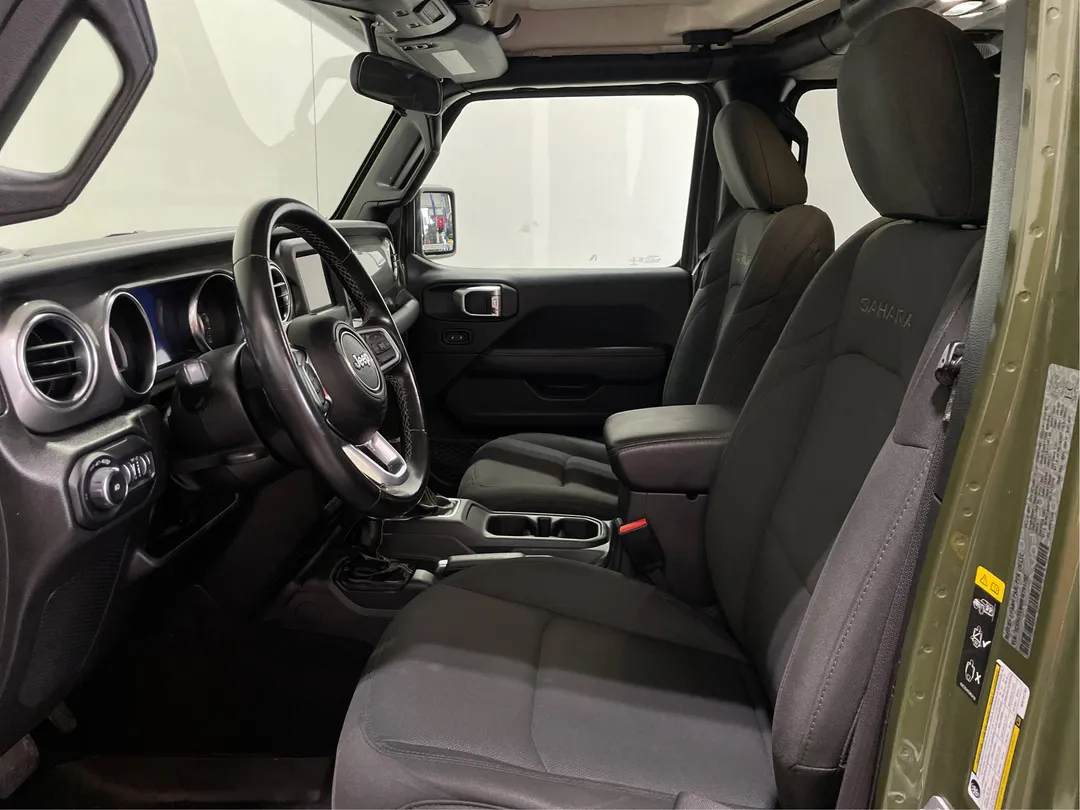
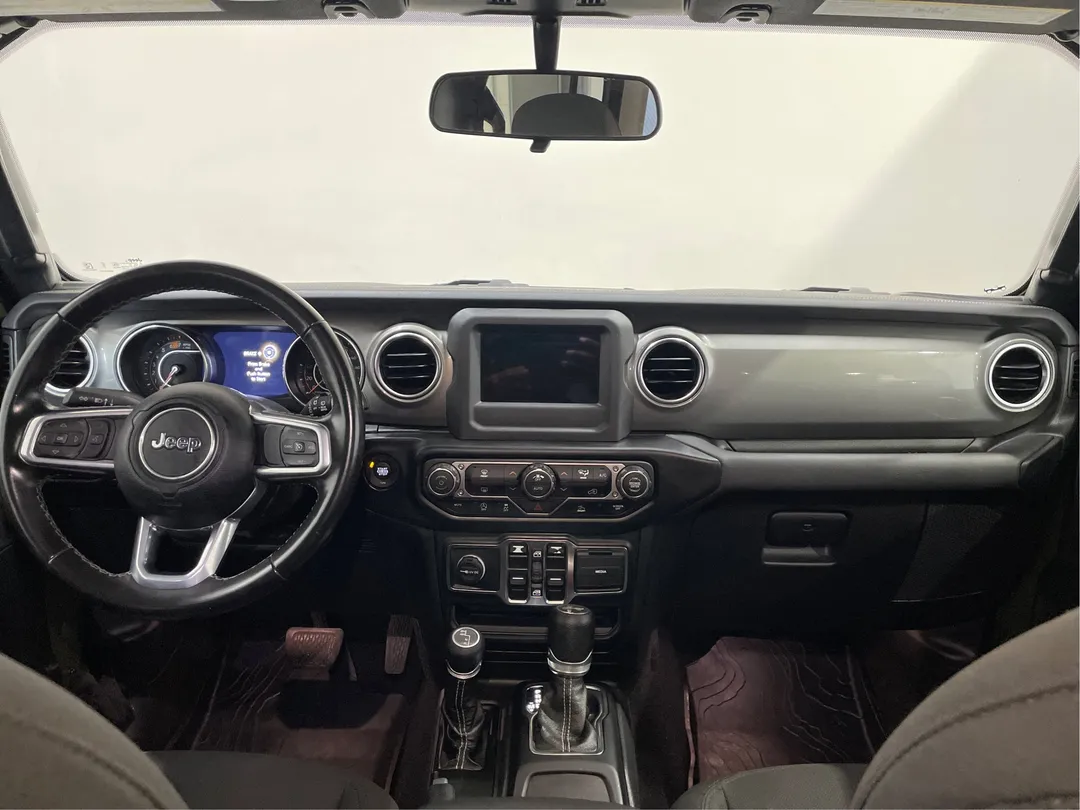
The Jeep Wrangler offers a narrower cabin, true to its iconic design. Although functional and robust, its interior space is less generous, especially in the rear and trunk. For short getaways or mainly off-road use, this is still sufficient, but for extended road trips, the Bronco is more comfortable and versatile.
Engines and overall performance: Branco vs Wrangler
Beyond style and comfort, the choice between the Ford Bronco and the Jeep Wrangler also comes down to their engines and overall performance. These two off-road icons offer configurations designed for both the road and the most demanding trails.
Gasoline engines
On gasoline versions, the Ford Bronco and Jeep Wrangler offer a range of engines that cover a wide spectrum of needs, from everyday driving to demanding off-road driving. The Bronco often relies on 2.3L and 2.7L turbocharged EcoBoost engines, favoring a combination of power, torque, and responsiveness, making it a versatile vehicle both on and off the road. On the Wrangler side, the Pentastar V6 engines or twin-turbo versions offer reassuring power and linear response that is appreciated when tackling difficult terrain.
However, it should be noted that these engines vary depending on the version, trim level, and model year, and that not all engine combinations are available on all configurations. As such, some Broncos and Wranglers may have specific combinations that are not always covered exhaustively. In both cases, the emphasis is on sufficient power to tackle Quebec winters and rough trails, while remaining usable on a daily basis.
Electric and hybrid engines
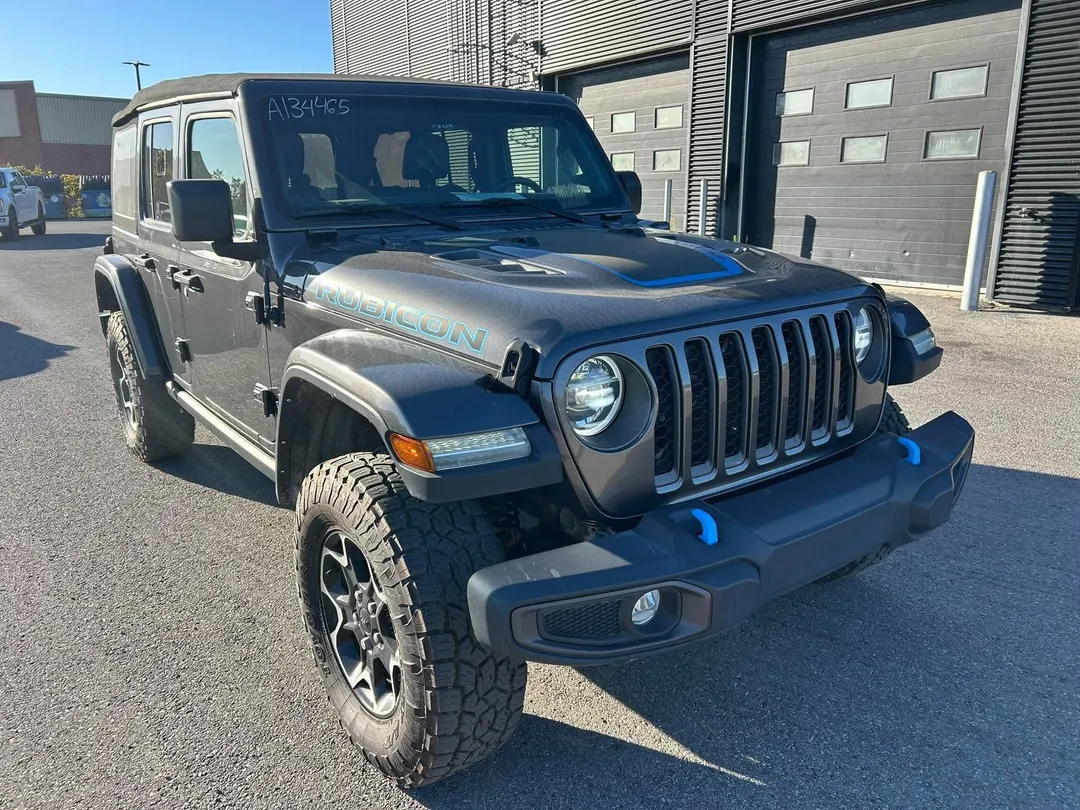
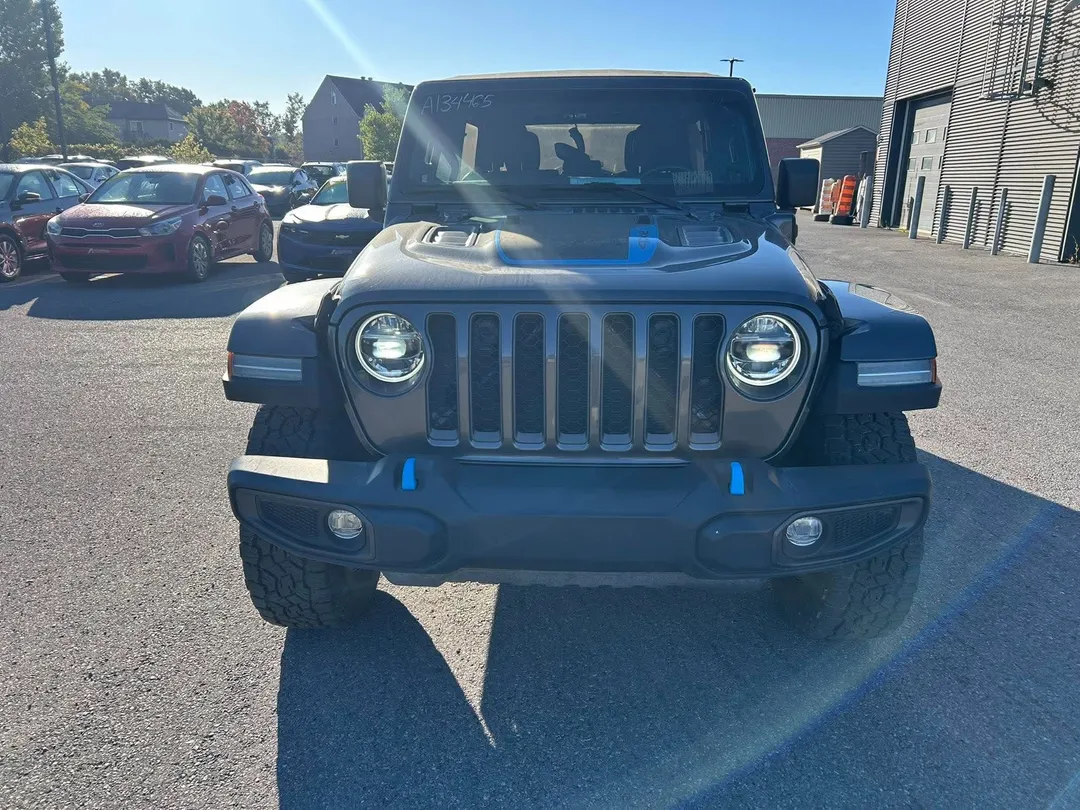
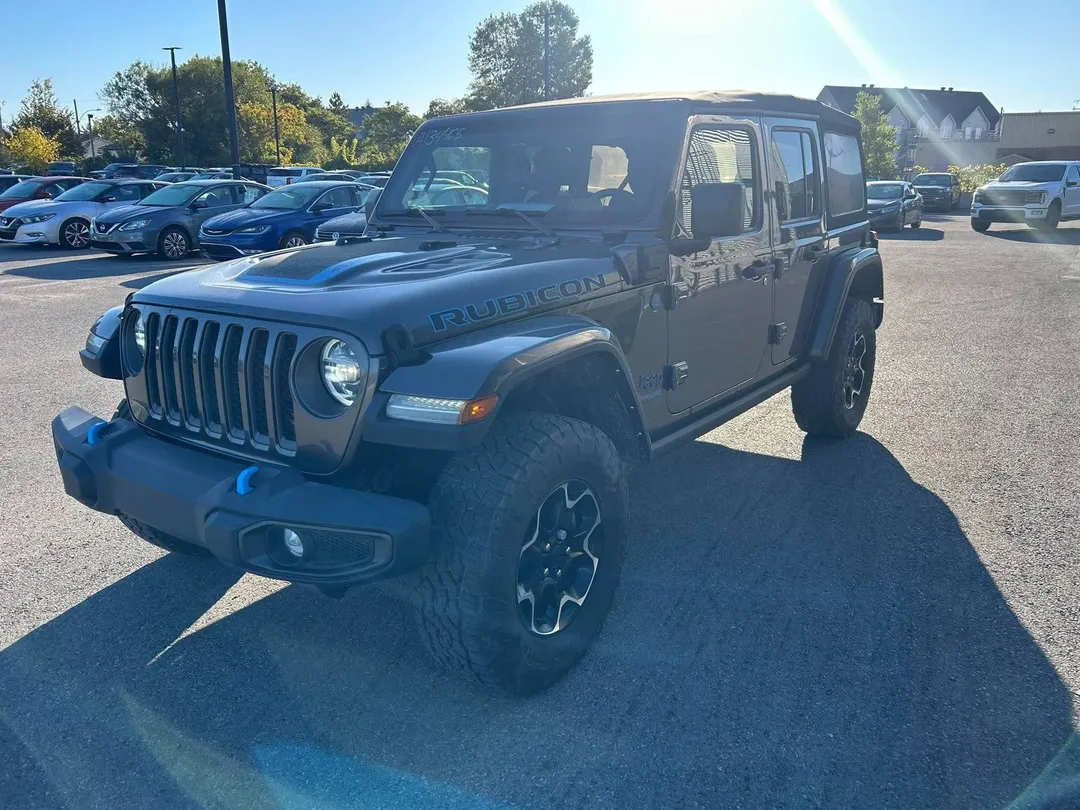
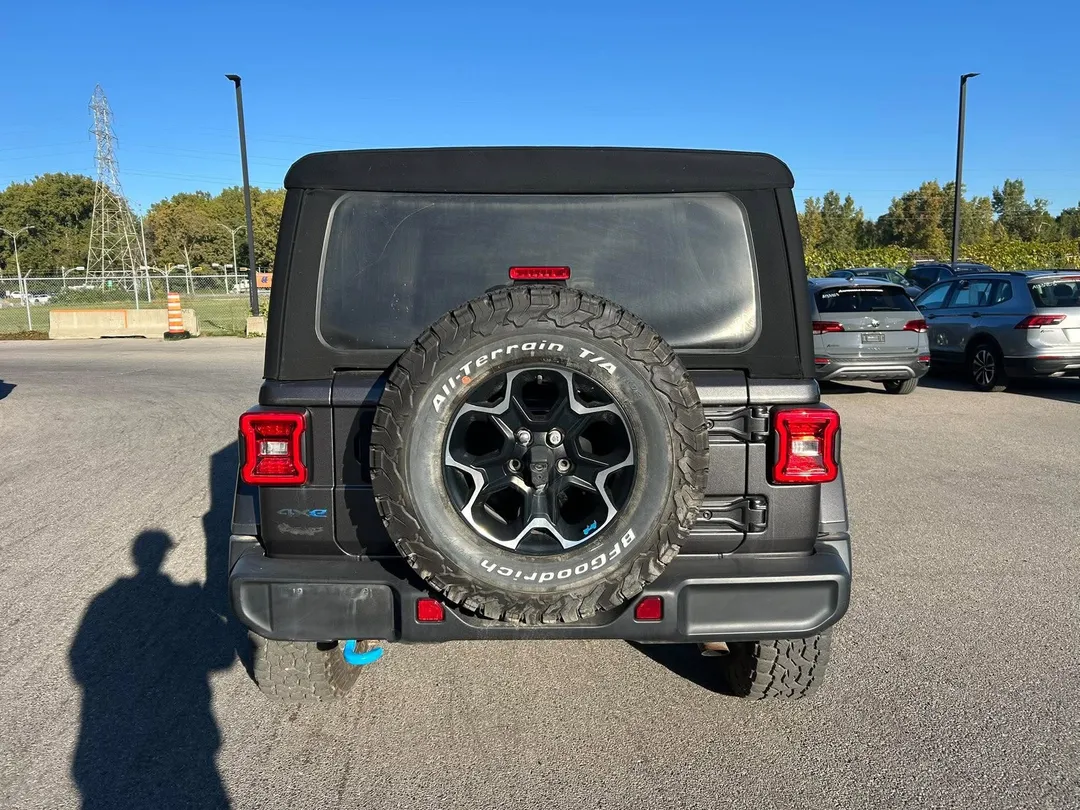
Electric and hybrid powertrains represent an interesting development in the off-road segment, but their availability depends heavily on the models and trim levels chosen. At Jeep, the Wrangler 4xe plug-in hybrid is the most notable example: it combines gasoline and electric power to offer a good compromise between power, efficiency, and off-road capability, with the ability to drive reliably in electric mode over short distances.
At Ford, there are rumors and announcements about electrified powertrains for the Bronco, but again, this depends on the versions and markets, and it is possible that not all of the available powertrains will be covered exhaustively depending on the configurations available. In any case, these hybrid or partially electric systems focus on increased energy efficiency and a smoother response in everyday use, without compromising the vehicle's capacity.
Fuel consumption: Bronco vs Wrangler
In terms of fuel consumption, the Ford Bronco and Jeep Wrangler offer comparable performance, with differences depending on the engine and model. In combined use, a Ford Bronco equipped with an EcoBoost engine generally averages around 10.5 to 11.8 liters per 100 km (20 to 22 mpg), offering better fuel economy on the highway and in everyday driving.
The Jeep Wrangler, which is more off-road oriented, has an average fuel consumption of 11.2 to 13.0 L/100 km (18 to 21 mpg) depending on the configuration. This difference is due to more robust settings and versions designed for off-road performance. For everyday fuel-efficient driving, the Bronco retains a slight advantage, while the Wrangler prioritizes capability and ruggedness, sometimes at the expense of fuel economy.
Off-road capabilities and ruggedness
Designed from the ground up to go off-road, the Ford Bronco and Jeep Wrangler are among the few vehicles on the market that retain their authentic off-road qualities. With a robust chassis, reinforced suspension, generous approach angles, and components designed to withstand stress, these two models are built to tackle trails, mud, snow, and rough terrain, far beyond conventional road use.
Which vehicle performs best off-road?
When it comes to pure off-roading, the Jeep Wrangler remains a historic benchmark. Its design prioritizes extreme capabilities, with specialized versions such as the Rubicon, renowned for their lockable differentials, suspension articulation, and ability to overcome complex obstacles. It excels on technical passages, rocky terrain, and narrow trails where precision and robustness are paramount.
The Ford Bronco, the newest model in its current generation, takes a similarly serious but slightly different approach. It stands out with its modern tuning, highly effective suspension, and remarkable stability at higher off-road speeds. On fast trails, sand, snow, or Quebec forest roads, the Bronco offers a more reassuring ride and very progressive control, while remaining extremely capable in difficult conditions.
Types of transmissions and all-wheel drive systems?
Both models are based on an all-wheel drive system designed for off-roading, with robust transmissions that perform well in all conditions. The Wrangler favors a traditional architecture, much appreciated by purists, with proven mechanical management and excellent off-road reliability.
The Bronco, on the other hand, relies on a more modern all-wheel drive system, incorporating different driving modes that allow the vehicle's response to be adapted to the terrain: snow, mud, sand, or trail. This approach makes driving in winter conditions easier and makes the vehicle more accessible to drivers who are less experienced in off-roading.
In both cases, these systems offer high traction, excellent grip, and reliability suited to Quebec winters, whether on snow-covered roads or unplowed trails.
Prices and offers on the used car market
In its first year, a new vehicle loses an average of 20 to 30% of its value, then up to 40 to 50% after three years, depending on the model year, version, and mileage. The used car market offers access to well-equipped models at a significantly lower price than new ones.
In Quebec, used Ford Broncos are often offered at a slightly more affordable price than Jeep Wranglers with comparable equipment. The Wrangler, on the other hand, stands out for its excellent resale value, driven by its popularity and solid reputation for off-roading.
At Automobile En Direct, used Broncos and Wranglers are priced in line with the real market and come with flexible auto financing solutions, including 2nd and 3rd chance auto financing options, to make it easier for you to find a vehicle that fits your budget and needs.
Verdict: Bronco or Wrangler?
The choice between the Ford Bronco and the Jeep Wrangler depends above all on your actual use, your driving style, and the balance you seek between everyday comfort and off-road capabilities.
Why choose the Ford Bronco?
The Ford Bronco stands out for its modern versatility, a positioning confirmed by the new models already on the market. The 2025 Ford Bronco has offered targeted updates in terms of onboard technologies, driver assistance features, and trim configurations, while retaining its adventure-oriented DNA. Its more spacious interior, superior on-road comfort, and everyday stability make it a balanced choice for drivers who want a vehicle capable of tackling the trails without sacrificing comfort during urban commutes, road trips, or the Quebec winter. These developments have allowed the Bronco to arrive with an even more coherent offering for everyday use.
Why choose the Jeep Wrangler?
The Jeep Wrangler remains an essential benchmark in off-roading, and the new models have reinforced this reputation. The 2025 Jeep Wrangler offered several technological and mechanical adjustments, while retaining a robust design and a more radical approach than the Bronco. True to its heritage, the Wrangler focuses on pure off-road capabilities, high resale value, and a solid reputation. These developments have allowed the 2025 Wrangler to arrive with a lineup that is still geared toward enthusiasts, while incorporating more comfort and modern technologies.
The future will certainly bring interesting developments for these models, but the choice is yours based on your priorities.